

 Phoenix 24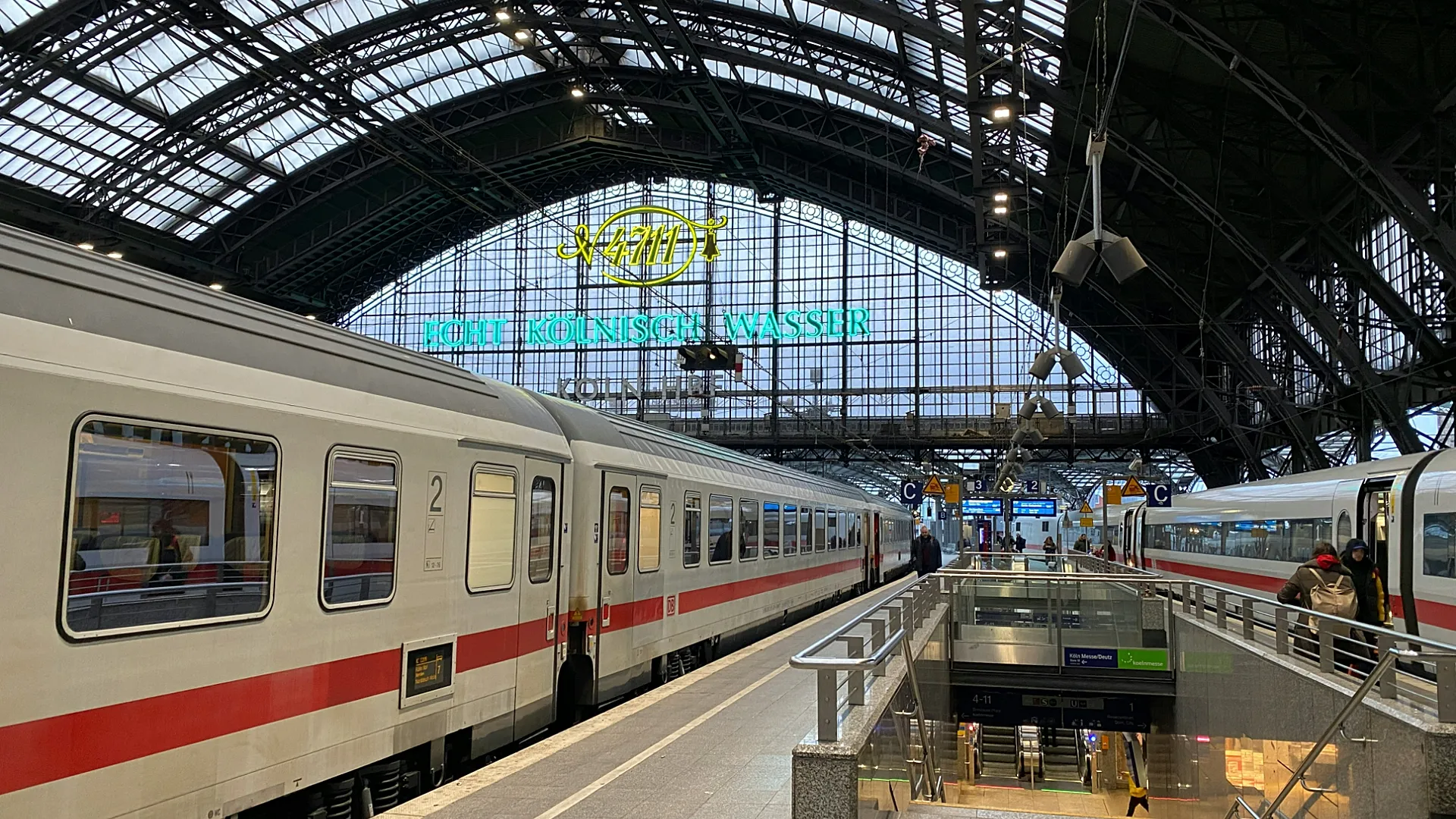
The disruption is about wages, but the leverage is mobility.
Berlin, February 2026
Germany’s planned 48 hour public transport strike is more than a commuter disruption. It is a calibrated pressure tactic aimed at the most visible nerve of urban life, daily mobility. The walkout, called by the Verdi union after stalled negotiations, is expected to affect buses, trams, and local transit systems across much of the country on Friday and Saturday, with major cities including Berlin and Hamburg facing severe interruptions. The strike is not only about pay and conditions. It is about where labor can still exert immediate leverage in a service economy, at the point where millions of routines depend on collective infrastructure.
The timing and format are strategically significant. A two day stoppage stretches beyond a symbolic protest and increases the cost of disruption for commuters, municipalities, and local operators without yet crossing into the political threshold of an open ended shutdown. This kind of action signals escalation while preserving room for negotiation. In labor conflicts, that middle ground matters. It tells employers the union can intensify pressure, but it also tells the public that the strike remains framed as a warning rather than a maximal confrontation.
What makes the strike especially potent is the sector itself. Local transport is one of the few areas where labor action produces immediate, highly visible effects across social classes at once. Office workers, students, service employees, caregivers, and low income commuters all feel the impact within hours. That gives transport unions a different kind of bargaining power than workers in sectors where disruption is financially significant but socially less visible. Here, the leverage is not abstract. It is experienced in missed shifts, delayed appointments, and reconfigured city movement.
The dispute also reflects a broader European pattern in public sector labor politics. Workers in transport, health, education, and municipal services are increasingly pushing back against workloads, staffing pressure, and inflation erosion, while governments and local authorities struggle to absorb higher labor costs without triggering wider fiscal strain. In Germany’s case, Verdi has tied the current pressure to wages and working conditions, and previous rounds of action in the sector have already shown how quickly these disputes can spread into a national conversation about public service sustainability.
Another important detail is the distinction between local transport systems and long distance rail operations. Public confusion often rises during German strikes because different unions and operators cover different parts of the transport network. The current action is focused on municipal and local transit companies, which means disruption is expected to hit urban buses, trams, and metros far more directly than all national rail services in the same way. That difference matters operationally, but from the commuter perspective the visible effect can still feel like a near standstill, especially inside major cities where local connections determine whether people can reach work at all.
The strike’s geography reinforces the scale of the message. This is not an isolated city conflict. It is a coordinated call across a large share of the country, affecting the political optics of both local employers and national labor governance. Even where service reductions vary by region, the announcement alone sends a national signal that negotiations are not failing in one place, but within a wider system under strain. That kind of coordination increases union credibility and raises the reputational cost for employers if talks continue to stall.
There is also a deeper structural tension behind the immediate dispute. Germany, like many European states, depends on public transport not only for mobility but for climate targets, urban planning, and social inclusion. When transit systems become arenas of repeated labor conflict, governments face a double challenge. They must maintain reliable service to support economic and environmental policy goals while also addressing labor conditions in sectors already stretched by staffing shortages and public expectations. In that sense, each strike is not just a wage dispute. It is a stress test of the public service model itself.
For travelers and residents, the practical impact will be immediate and uneven. Some cities may see near total suspension in municipal networks, while others may operate limited alternatives or partial service depending on local conditions and operator responses. The broader point, however, is not the exact timetable in each city. It is the reminder that urban mobility systems remain politically contested infrastructure, where labor negotiations can reshape daily life faster than most policy decisions.
What this strike ultimately reveals is a familiar but increasingly important pattern in Europe. As cost pressures, staffing tensions, and public service demands intensify, unions are using short, high impact stoppages to force visibility and bargaining movement. Germany’s 48 hour transit disruption is therefore not only a transport story. It is a lesson in how labor power is being exercised in modern cities, by interrupting the routines that governments and economies can least afford to take for granted.
Contra la propaganda, memoria. / Against propaganda, memory.