

 Phoenix 24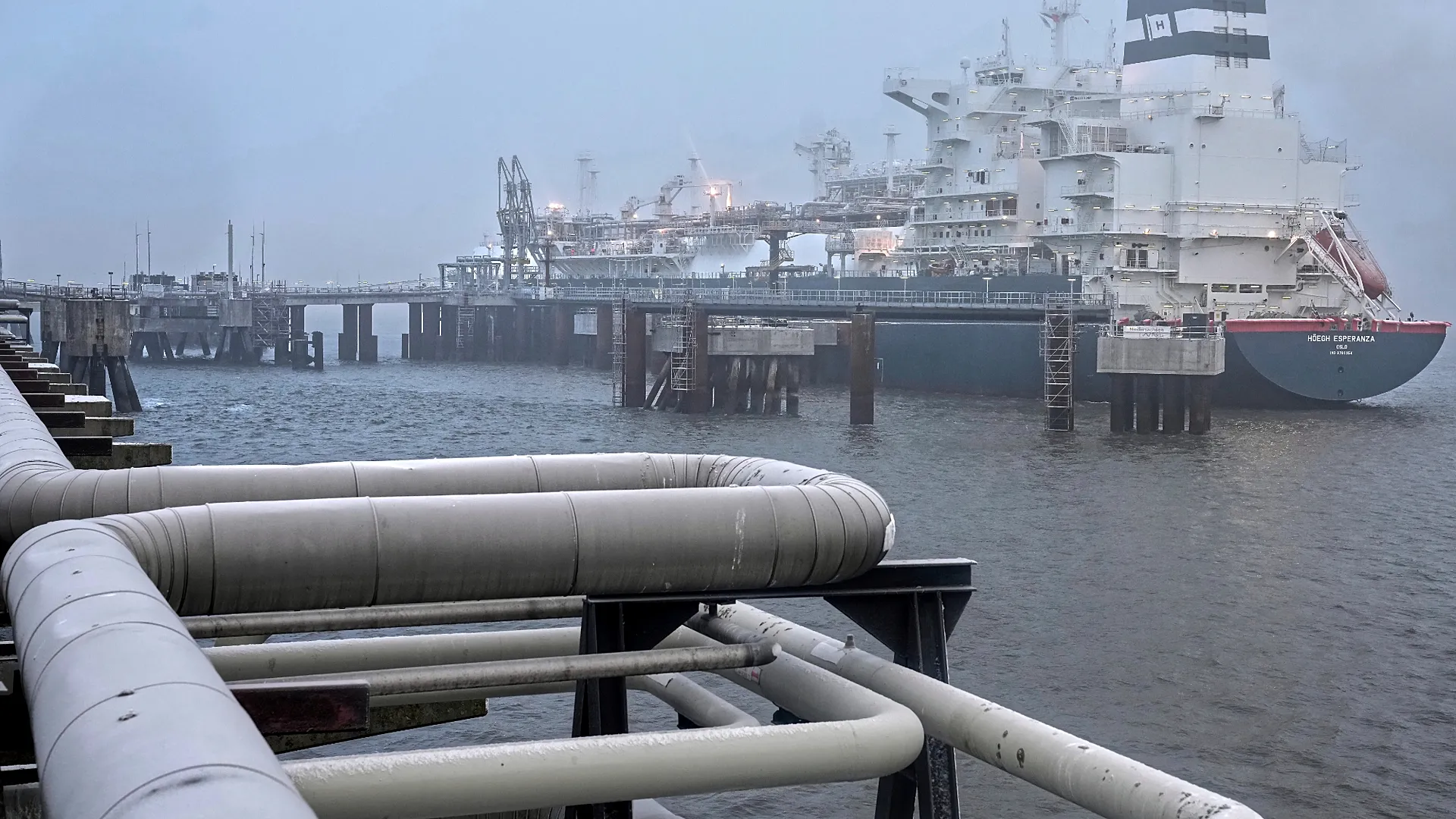
Europe is redesigning its energy map again.
Berlin, May 2026.
Germany is moving toward a major liquefied natural gas agreement with Canada as Europe faces renewed anxiety over energy security linked to instability in the Middle East and the broader fallout from the Iran conflict. The deal involves Germany’s state-controlled energy company SEFE and the proposed Ksi Lisims LNG export facility in British Columbia, expected to become one of Canada’s largest gas export terminals.
The agreement reflects a larger geopolitical shift already transforming Europe’s energy doctrine since the collapse of Russian pipeline dependence after the invasion of Ukraine. Berlin is no longer searching only for gas. It is searching for politically reliable suppliers capable of reducing exposure to maritime chokepoints, sanctions turbulence and strategic blackmail.
Canada has emerged as an increasingly attractive partner because it combines democratic alignment, vast natural gas reserves and Pacific export routes that bypass some of the world’s most unstable corridors. European buyers accelerated talks with Canadian LNG developers after disruptions linked to the Strait of Hormuz intensified fears over global supply vulnerability and price shocks.
The symbolism is powerful. Germany once depended heavily on Russian energy infrastructure anchored in pipelines and continental integration. Now it is building an energy architecture based on floating LNG terminals, transoceanic contracts and strategic diversification. The transition is expensive, politically sensitive and environmentally contested, but Berlin increasingly treats it as a national security necessity rather than a temporary emergency response.
For Europe, the message is becoming unavoidable: the era of cheap and predictable energy is fading. What replaces it is a more fragmented system where energy security, military conflict and geopolitical alliances operate as part of the same equation. Germany’s Canadian LNG pivot is not only an energy deal. It is another sign that the post-Russia European order is hardening into a long-term strategic reality.
Información que anticipa futuros. / Information that anticipates futures.