

 Phoenix 24
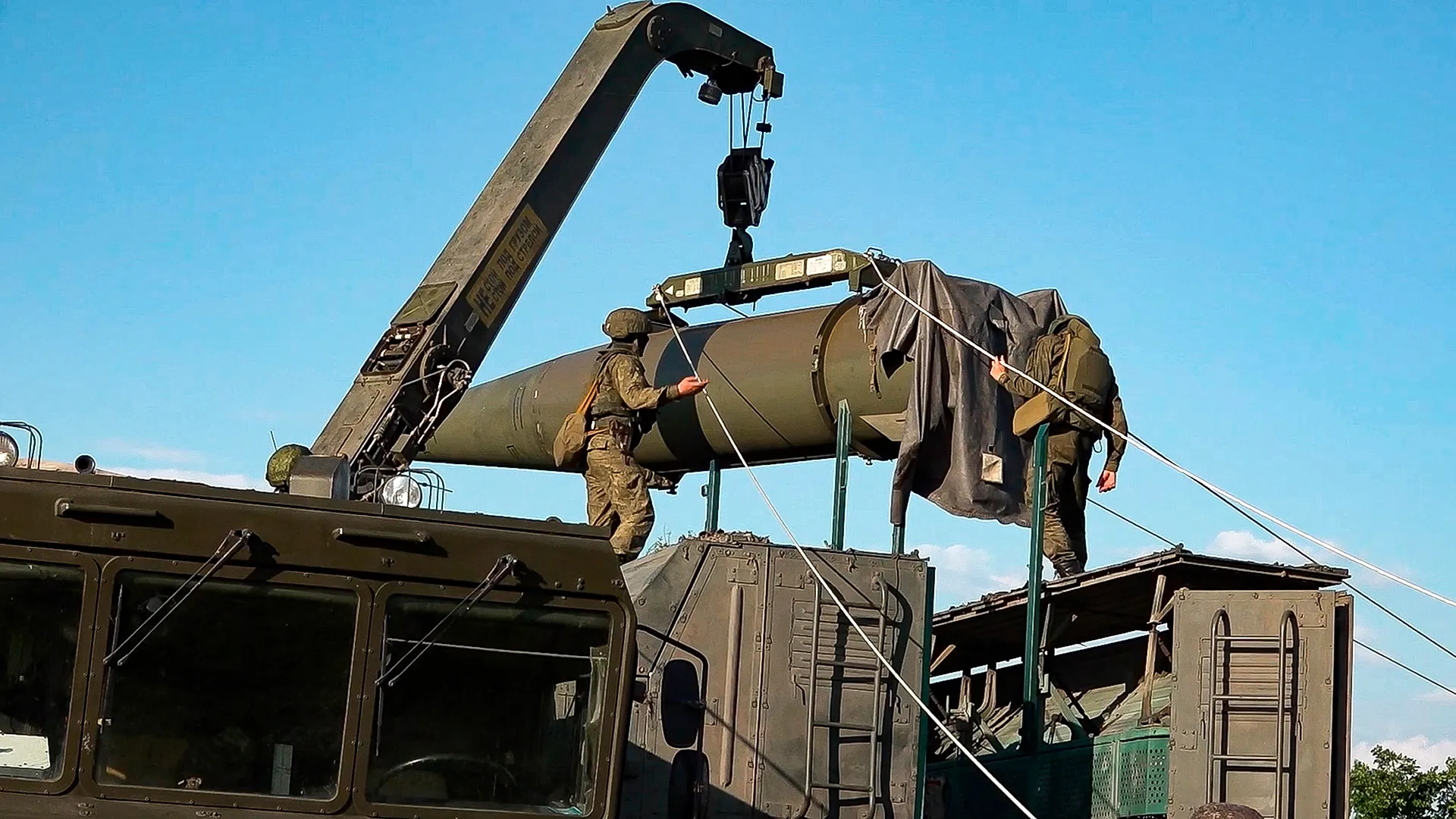
Negotiations return, but the war stays loud.
Geneva, February 2026.
Kyiv, Washington and Moscow are set to meet in Geneva for two days of renewed negotiations, a diplomatic restart that arrives only days before the fourth anniversary of Russia’s full scale invasion. The very choice of venue signals seriousness, Switzerland offers procedural stability and a controlled media environment, yet the timing also underlines how compressed the strategic calendar has become. With winter still shaping operations and the anniversary looming as a political marker, all sides are trying to extract leverage without admitting it is leverage. In that atmosphere, even agreeing to sit in the same diplomatic sequence can be framed as strength rather than compromise.
The talks follow two earlier trilateral rounds held in Abu Dhabi, which established channels and working rhythm but did not produce a visible breakthrough. What changes in Geneva is not the existence of dialogue, but the weight of the agenda that is now being acknowledged publicly. Russian officials have signaled that the “main issues” are on the table, including territory, a confirmation that removes any illusion that technical confidence building alone can carry the process. When territory becomes explicit, the negotiation ceases to be about de escalation etiquette and becomes a contest over sovereignty, borders, and precedent. That is why expectations are low, not because diplomacy is impossible, but because the cost of movement is high for both sides.
The Kremlin position remains anchored to maximalist territorial demands, notably claims tied to the Donbas and other occupied or annexed regions, and that rigidity is the central obstacle. Ukraine’s leadership has repeatedly rejected ceding territory, arguing that formalizing losses would reward aggression and invite repetition. Between those positions sits the United States, publicly eager to show momentum, yet constrained by the fact that any deal that looks like coercion of Kyiv risks political backlash in Europe and long term instability on the ground. The tension is structural: one side wants recognition of conquest, the other wants restoration of sovereignty, and the broker wants closure. Those goals do not naturally fit.
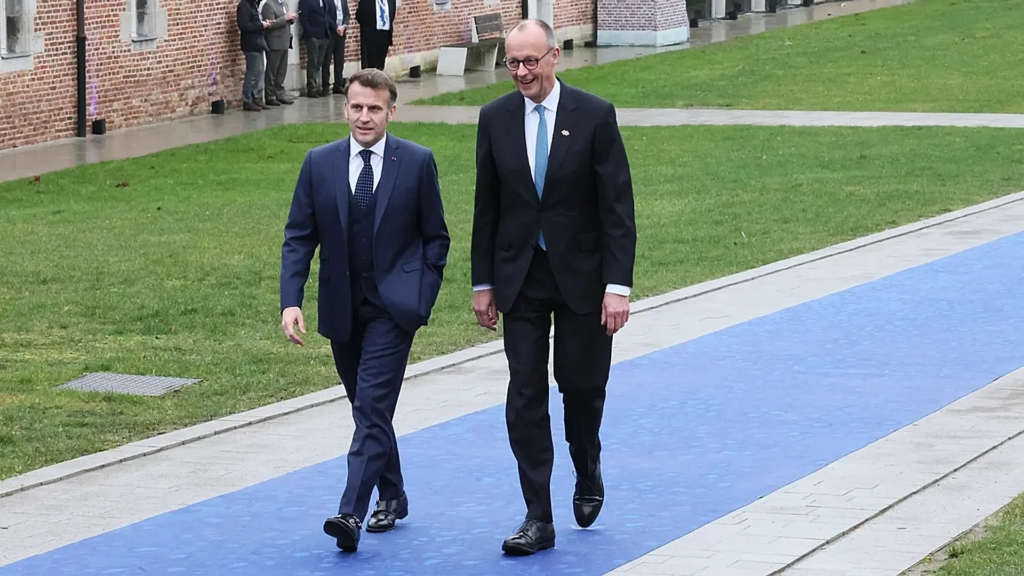
Delegation design matters because it communicates intent. Russia is expected to send a team led by a senior Kremlin aide with a history in state messaging and negotiation, accompanied by figures linked to military intelligence and economic statecraft, which suggests Moscow sees the talks as a comprehensive bargaining arena rather than a narrow ceasefire forum. Ukraine’s delegation is expected to be led by its defence and security leadership, keeping the file tied to national survival rather than partisan politics. The American channel, reportedly managed by close presidential envoys, reflects a White House preference for personal diplomacy that can move faster than institutional lanes. Speed, however, does not automatically produce agreement, especially when the core issues are existential.
Three themes hover over Geneva, even when they are not framed as headlines. The first is the territorial map itself, not only lines on paper, but the question of whether any partial settlement can be enforced without freezing the conflict under another name. The second is the status of strategic infrastructure, including the Zaporizhzhia nuclear power plant, which functions as both a security risk and a bargaining asset. The third is security guarantees, a term that means different things depending on who is speaking. For Kyiv, it means credible protection against renewed attack. For Moscow, it often means limitations on Ukraine’s alignment and military options. For Washington, it means a formula that avoids direct escalation while preserving credibility with allies.
Military pressure has not paused for the talks, and that is not accidental. Ukraine has continued long range strikes, including attacks that have hit logistics and energy sites in Russian territory, while Russia has sustained drone and missile pressure on Ukrainian infrastructure. That rhythm sends a message into the negotiation room: each side is trying to prove it cannot be waited out. In many conflicts, diplomacy advances only when battlefield confidence is exhausted. Here, the opposite logic often appears, the battlefield is used to sculpt the diplomatic frame. The risk is that escalatory signaling hardens public positions, making any concession look like weakness.
Europe is not simply an audience in this round, it is a constraint. European leaders, meeting in security forums and allied consultations, continue to insist that a sustainable peace must involve Russian concessions and credible guarantees for Ukraine. This matters because any arrangement perceived as sidelining European interests can fracture sanctions discipline, military support coordination, and the political legitimacy of the settlement. Moscow understands that, and Washington is navigating it, even if Washington prefers to present itself as the sole broker. The negotiation is thus not only triangular, it is nested inside a wider alliance system that will judge outcomes by durability, not by speed.
There is also a psychological war running beneath the formal one. Kyiv has argued that Washington too often asks Ukraine, not Russia, for concessions, a complaint that signals anxiety about asymmetric pressure. Moscow, for its part, continues to portray its demands as recognition of “realities,” a rhetorical move designed to make resistance seem irrational. The battle over language is not decoration, it is a way of narrowing the range of what can be said in public without political cost. Once a government locks a phrase into its narrative, walking it back becomes harder than negotiating the substance.
Geneva, then, is less a peace conference than a test of whether the process can survive its own contradictions. A procedural continuation can be marketed as progress, yet the fundamentals remain unresolved: territory, guarantees, and the legitimacy of any post war order. What is unmistakable is the pattern. The negotiation table is being used as another front, and the front lines are being used as negotiation tools. That interlock will persist until one of the systems, military, political, or economic, loses the ability to sustain the current equilibrium.
Más allá de la noticia, el patrón. / Beyond the news, the pattern.