

 Phoenix 24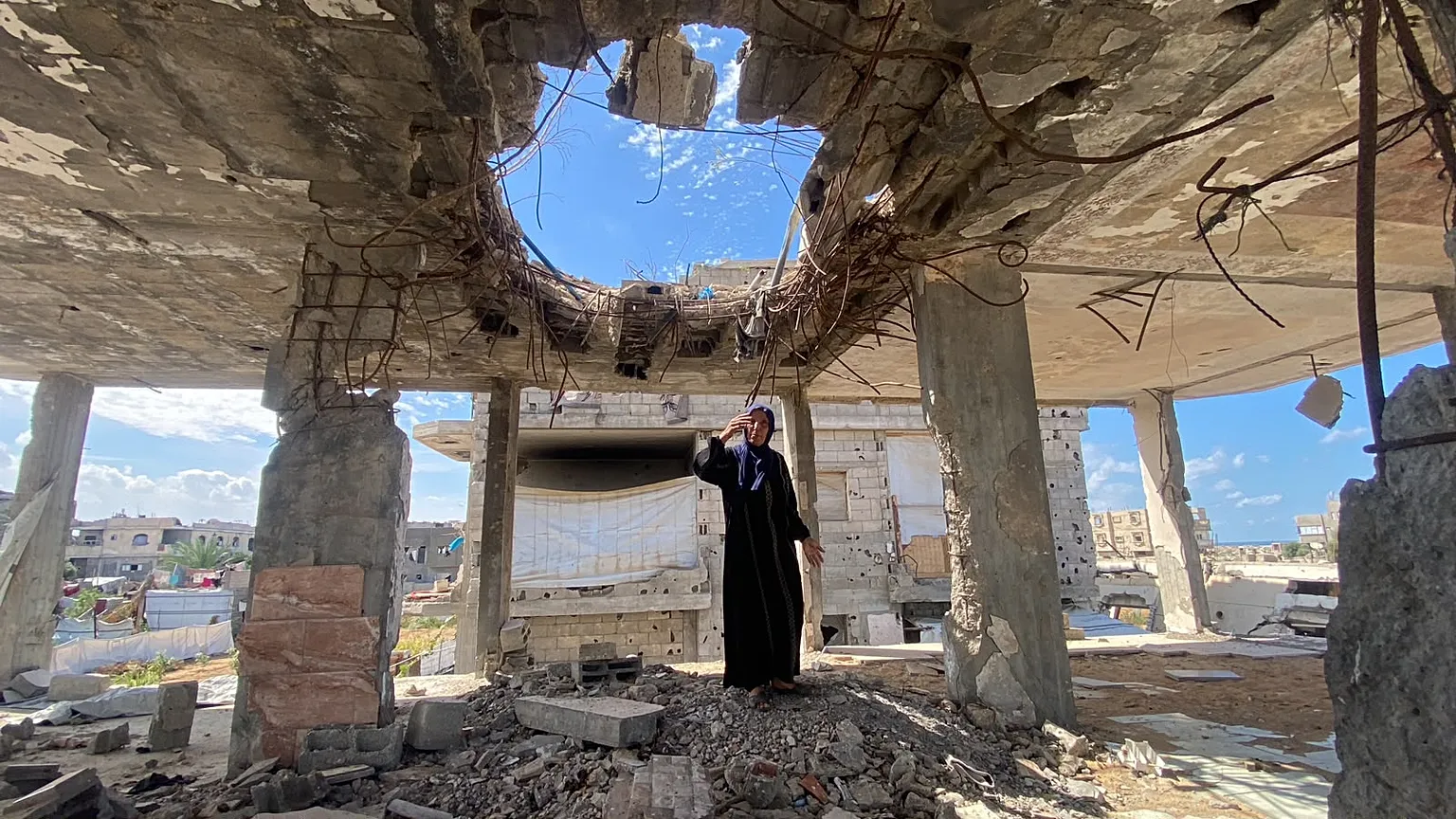
Damaged homes and collapsing structures threaten displaced Palestinian families.
GAZA CITY
Thousands of Palestinian families are approaching another winter in Gaza without safe housing, as damaged buildings, deteriorating tents and rising construction costs expose civilians to flooding, structural collapse and further displacement.
According to preliminary estimates cited by the United Nations Office for the Coordination of Humanitarian Affairs (OCHA), more than 4,000 buildings across Gaza require partial or complete demolition because of structural damage. Over 2,300 remain occupied, sheltering approximately 44,000 people despite the dangers.
The situation reflects the lasting destruction caused by the war that began after the Hamas-led attacks against Israel in October 2023. Large sections of Gaza’s residential infrastructure remain severely damaged, leaving families with limited alternatives even where buildings are no longer considered safe.

In Al-Mughraqa, central Gaza, residents describe living beneath cracked roofs that allow rainwater to enter their homes. Families move mattresses between rooms, collect water in containers and struggle to keep blankets dry during storms.
For many households, repairing damaged shelters is financially impossible. A June assessment cited by the Norwegian Refugee Council found that 71% of surveyed families living in damaged buildings could not afford the materials needed for repairs.
The cost of temporary accommodation has also increased. Reports from local markets indicate that prices for tarpaulins and tents have risen considerably, while displaced families struggle to obtain timber and other essential materials.
The danger extends beyond exposure to rain and cold. On September 16, the collapse of the Al-Saada residential building in Gaza City killed 21 Palestinians, including 12 children and five women, according to local civil defense authorities.
Officials said residents had previously received warnings about the building’s condition but remained because suitable alternative accommodation was unavailable. Israeli military authorities denied directly attacking the structure, while questions concerning earlier damage remained unresolved.
Gaza’s civil defense service has also warned that deteriorating towers threaten people living in nearby tents. The proximity of temporary shelters to unstable buildings creates additional risks in densely populated areas.

Local authorities have proposed evacuating and demolishing approximately 255 structures considered vulnerable to collapse. However, shortages of heavy machinery, funding, equipment and secure relocation areas have complicated implementation.
Humanitarian officials have called for urgent deliveries of tents, waterproof materials, rescue equipment and fuel as seasonal weather conditions become increasingly difficult.
The housing emergency demonstrates that Gaza’s humanitarian recovery extends far beyond the cessation of major military operations. Even where immediate fighting has diminished, damaged infrastructure continues to endanger civilian lives.
As winter approaches, the central challenge is providing safe accommodation before further rainfall and structural deterioration turn existing vulnerabilities into additional tragedies.
Beyond the Numbers, the Consequences.