

 Phoenix 24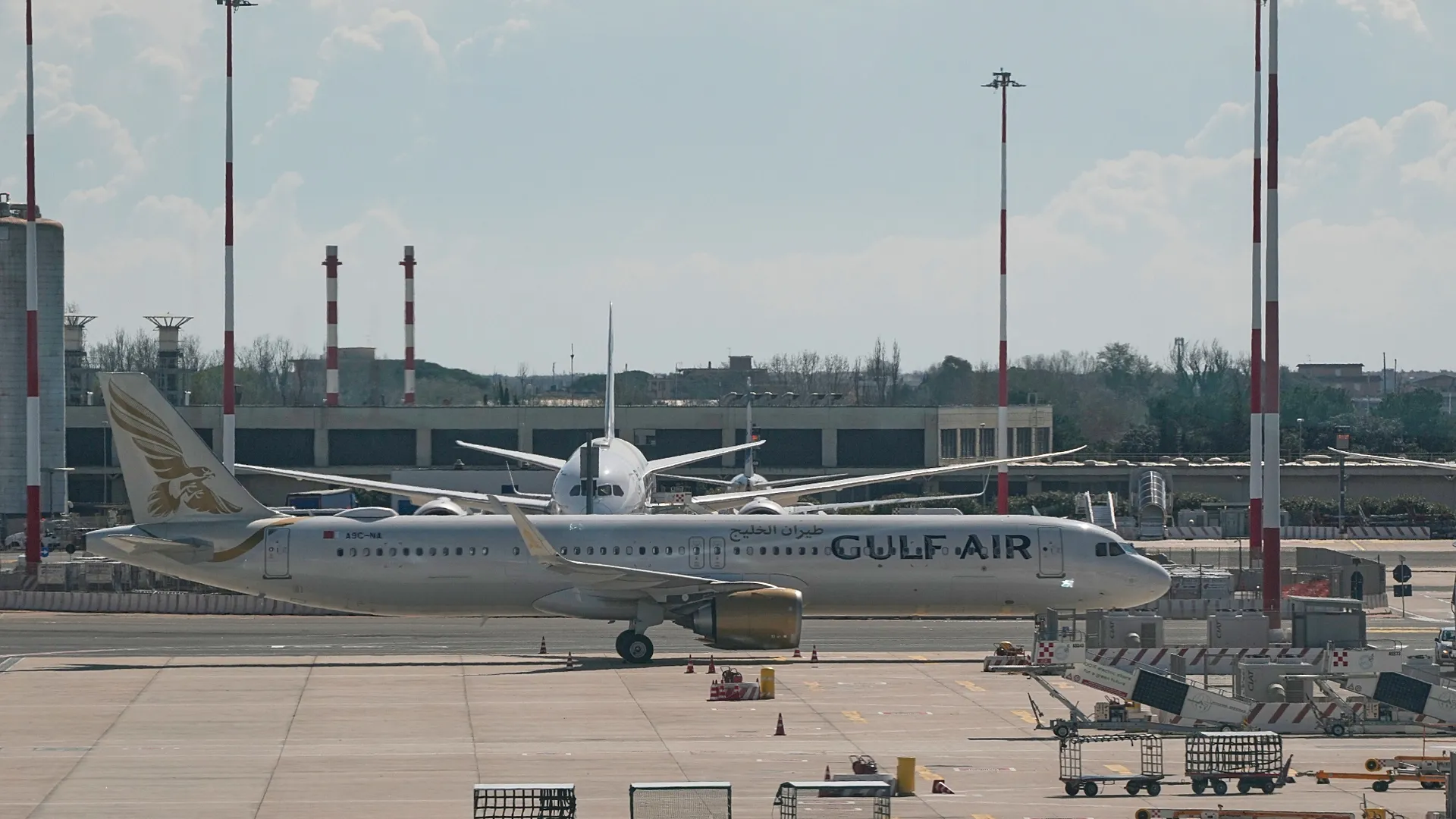
A distant conflict is now disrupting European mobility.
Rome, April 2026
Fuel rationing at four Italian airports has pushed the Middle East war out of abstraction and into the operational core of European transport. What had been building for weeks as a supply shock linked to energy disruption and aviation fuel pressure has now become visible in one of the sectors least able to improvise under scarcity. Airports are not designed to function under uncertainty of this kind for long. Once fuel becomes the constrained variable, the logic of delay, cancellation and selective prioritization begins to spread faster than the shortage itself.
The significance of the Italian case is larger than the number of airports affected. Aviation runs on precision, sequencing and confidence in uninterrupted flow, so even limited rationing carries outsized consequences for scheduling, airline planning and passenger trust. A fuel cap does not simply reduce availability. It alters the entire rhythm of the system because every flight becomes dependent on a tighter and more politically exposed chain of decisions. What appears at first to be a logistics problem quickly becomes a test of economic resilience.
This is where the crisis becomes strategically revealing. Europe has spent years talking about energy security, supply diversification and infrastructure resilience, yet aviation remains acutely exposed to external shocks when conflict threatens shipping routes, regional stability and price formation. The fuel issue now affecting Italian airports shows how quickly war can migrate from the battlefield into civilian systems that depend on uninterrupted hydrocarbons. In that sense, rationing is not just an airport story. It is a warning about how thin the buffer can become when geopolitical disruption reaches transport networks.
Italy matters here not only because of geography, but because it sits inside a broader Mediterranean corridor where energy, tourism, commercial connectivity and strategic vulnerability intersect. Any restriction affecting airport fuel supply in that space resonates beyond one country’s internal transport problem. It raises questions about contingency planning, supply prioritization and how prepared European states really are for prolonged turbulence linked to external conflict. When airports begin to ration, the public sees the crisis in a more tangible form than when it is measured only through charts, futures prices or diplomatic statements.
The aviation sector is especially sensitive because it cannot conceal fragility for very long. Airlines may adjust routes, revise schedules or absorb temporary cost spikes, but rationing strips away the illusion that disruption is still manageable through routine operational flexibility. It signals that the system has entered a more severe stage, where demand must bend to scarcity and where governments, operators and carriers are forced to choose what remains viable. That kind of threshold matters because once crossed, it can influence pricing, confidence and connectivity across a much wider map.
There is also a political dimension beneath the logistical one. Fuel shortages at airports turn distant geopolitical conflict into domestic administrative pressure, forcing authorities to justify decisions that affect mobility, commerce and public normalcy. Citizens may not follow the details of tanker flows or regional military escalation, but they understand cancelled flights, long delays and restricted movement. That is how strategic shock becomes socially legible. The supply chain stops being invisible and starts feeling like a frontline.
For Europe, the deeper lesson is uncomfortable. Modern mobility depends on dense systems that appear robust until one essential input becomes unstable. Fuel remains one of those inputs, and the Italian airport rationing episode shows that even advanced transport environments remain deeply vulnerable to external coercion, market disruption and war-driven bottlenecks. The crisis is not only about whether planes can take off today. It is about how long a continent built on circulation can preserve confidence when the energy behind that circulation starts thinning in real time.
What is unfolding in Italy may still be framed as a temporary response, but its symbolism is already much larger. Once airport fuel is rationed, the crisis has crossed into a realm that ordinary people can immediately recognize as structural. The war is no longer only affecting oil traders, military planners or shipping insurers. It is beginning to interfere with the choreography of everyday European life. That is when a geopolitical shock stops sounding distant and starts looking systemic.
Phoenix24: clarity in the grey zone. / Phoenix24: claridad en la zona gris.