

 Phoenix 24
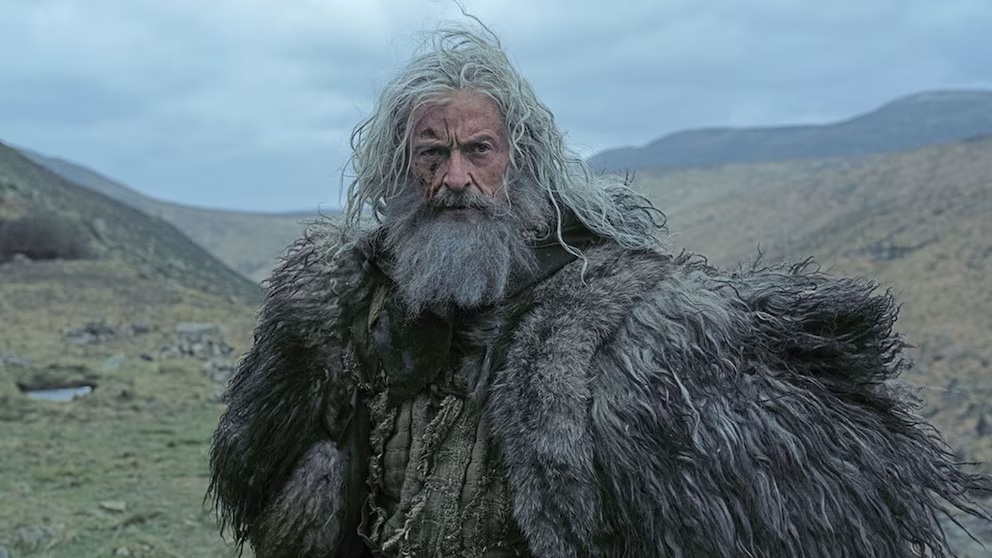
The actor’s shift from iconic heroic roles to a darker, more complex character reflects a deliberate expansion of his artistic range and a willingness to engage with morally ambiguous narratives.
Los Angeles, United States.
Hugh Jackman has drawn significant attention with his latest role in The Death of Robin Hood, a film that marks a dramatic departure from the heroic and redemptive characters with which he built much of his international reputation. In this newest project, Jackman embodies a version of the legendary outlaw that abandons traditional heroic tropes in favor of a more conflicted and morally ambiguous figure, signaling a deliberate artistic evolution for an actor long associated with charismatic protagonists.
In The Death of Robin Hood, Jackman portrays a once-revered hero whose descent into outlaw status is precipitated by personal loss, betrayal and the consequences of choices made in the name of justice. The narrative challenges the conventional myth of heroism by exploring the psychological toll of violence, disillusionment and the pursuit of retribution. Jackman’s performance, marked by physical intensity and emotional restraint, underscores the tension between public expectation and private turmoil, revealing layers of vulnerability beneath the outlaw’s hardened exterior.
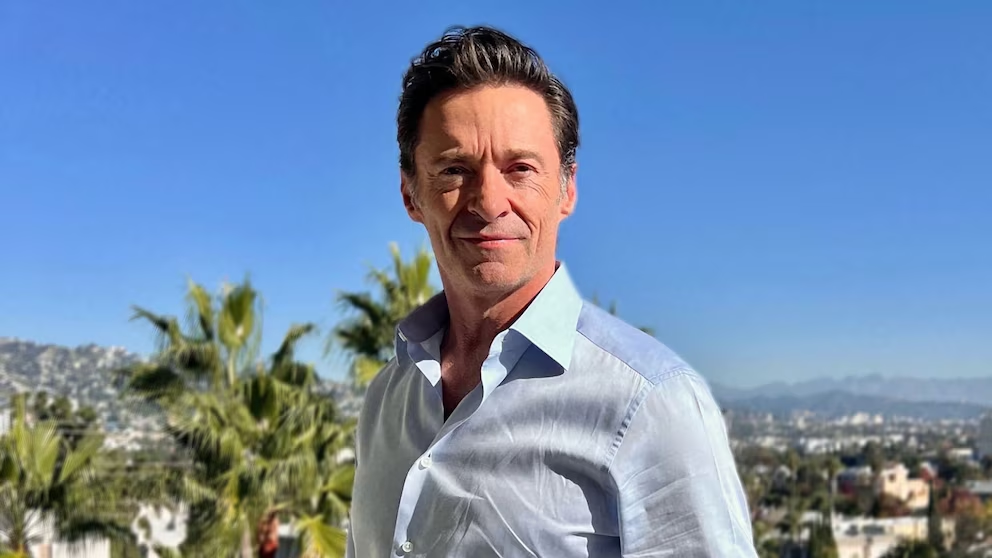
The film’s director has described the project as an exploration of the cost of legend and the fragility of moral certainty. By reframing a familiar figure in a darker context, the story prompts audiences to reconsider the boundaries between heroism and culpability, and to confront the ways in which cultural narratives of righteousness can obscure deeper ethical complexities. Jackman’s casting amplifies this thematic shift, given his history of embodying characters celebrated for their courage, resilience and moral clarity.
Production notes reveal that the creative team intentionally sought to distance The Death of Robin Hood from more traditional adaptations by emphasizing grit, ambiguity and psychological realism. The script places equal weight on character psychology and narrative consequence, creating a portrait of an outlaw whose actions are driven as much by inner conflict as by external pressures. In this framework, the character’s trajectory is neither purely redemptive nor wholly destructive, but a nuanced tension between past ideals and present disillusionment.
Critics who have seen early screenings highlight Jackman’s ability to navigate this complexity with a performance that balances raw intensity with moments of introspective stillness. His portrayal avoids caricature, instead inviting empathy for a character whose choices reflect the contradictions of a mythologized identity confronted with moral failure. This approach aligns with contemporary cinematic trends that favor psychologically layered protagonists over archetypal heroes.
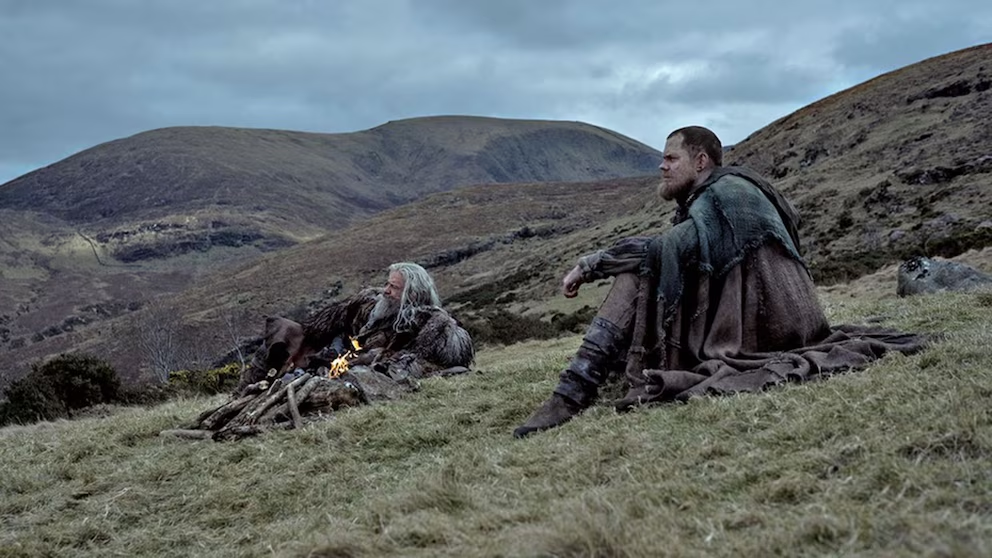
The film’s aesthetic choices support its thematic ambitions, incorporating a muted visual palette and a sound design that foregrounds environmental texture and emotional undercurrents. These elements work in concert with the narrative to create a world that feels tangible yet unsettled, inviting viewers to inhabit the outlaw’s perspective without prescribing judgment. Jackman’s performance is central to this effect, anchoring the film’s tonal shifts and making the protagonist’s internal struggle palpable.
Audiences familiar with Jackman’s previous work have noted the breadth of his range in this role, pointing to his capacity to reinvent himself while maintaining a compelling screen presence. The transition from roles defined by clear moral purpose to one marked by ambiguity and conflict reflects a broader career trajectory in which Jackman continues to explore diverse character types and narrative forms. It also demonstrates an actor willing to risk commercial predictability in favor of artistic challenge.
The release of The Death of Robin Hood is poised to generate discussion not only about Jackman’s performance but also about the ways in which contemporary cinema reexamines folklore and legend through modern sensibilities. By deconstructing a familiar figure like Robin Hood, the film contributes to ongoing dialogues about how narratives of justice, power and identity are shaped, reinterpreted and contested in different cultural contexts.
Ultimately, Jackman’s transformation in this role serves as a reminder that actors with established legacies can leverage their reputations to take creative risks, inviting audiences to engage with stories that resist easy categorization. His performance in The Death of Robin Hood may thus inform future interpretations of legendary characters and expand expectations about how mythic figures can be reimagined for contemporary audiences.
Detrás de cada dato, hay una intención. Detrás de cada silencio, una estructura.
Behind every data point, there is an intention. Behind every silence, a structure.