

 Phoenix 24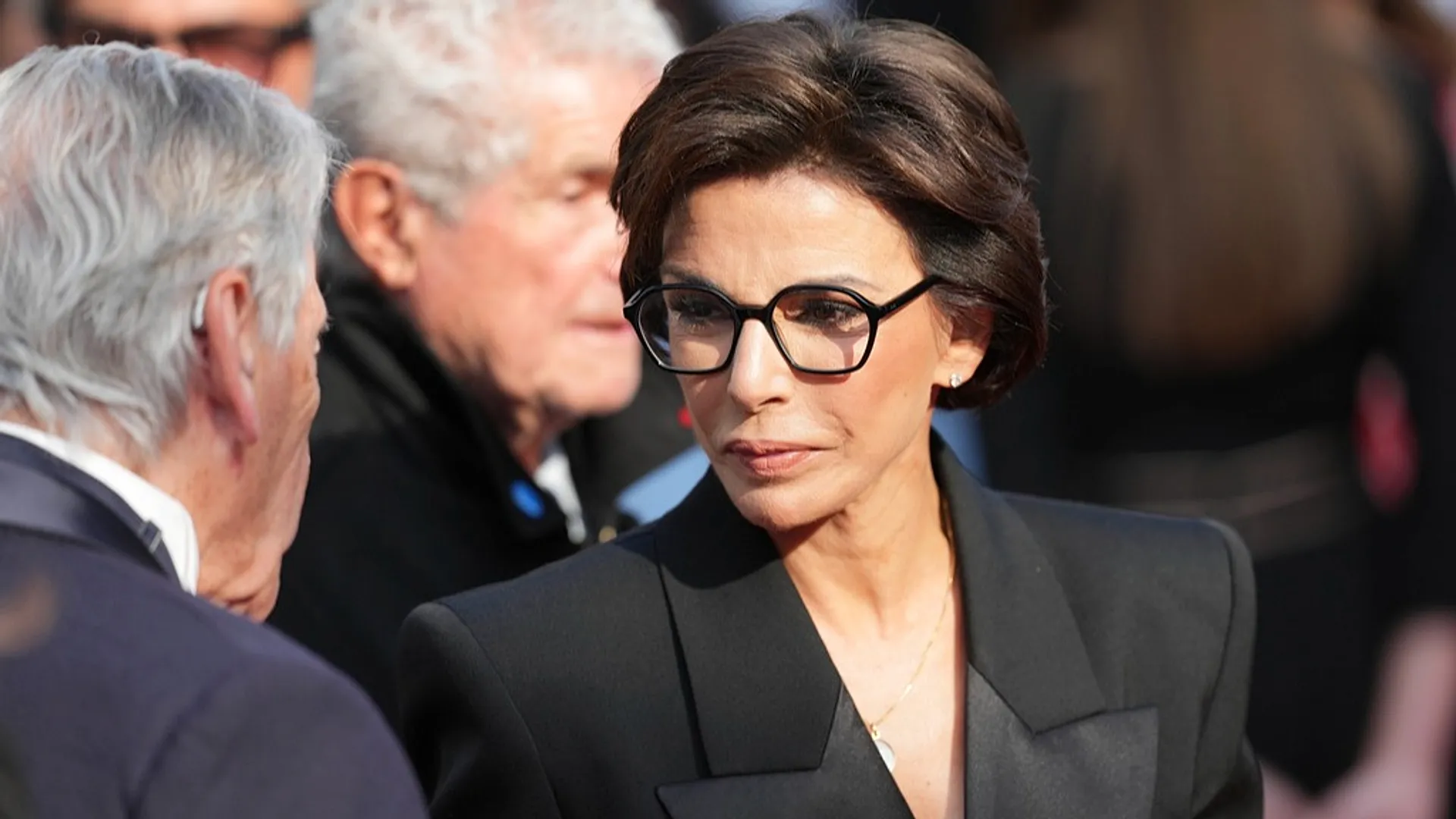
A delicate test of editorial neutrality, unfolding amid hidden recordings and political friction.
Paris, September 2025
Two French journalists, Thomas Legrand and Patrick Cohen, have been provisionally suspended after the release of covert footage suggesting possible coordination with Socialist Party officials to weaken Minister of Culture Rachida Dati’s campaign for mayor of Paris.
The footage, recorded without their knowledge in a Paris café and later released by a far-right outlet, captured fragments of conversation between the journalists and party figures. In one clip, Legrand is heard saying, “We are doing what it takes for Dati, Patrick and me.” The phrase, stripped of full context, was enough to spark a storm of criticism over impartiality in public broadcasting.
France Inter immediately suspended Legrand from his duties. He defended himself by saying his role is to question Dati’s portrayal of events and her dealings with the press, not to campaign against her. For her part, Dati denounced the remarks as unethical and demanded accountability, warning that such conduct undermines electoral trust.
The controversy intersects with Dati’s own legal challenges. She is expected to stand trial over allegations of corruption and influence peddling tied to consultancy payments received during her tenure as a European lawmaker. Dati rejects the charges and calls them politically motivated. The timing is sensitive: her party is preparing to nominate her for the 2026 mayoral race in Paris, and the scandal now merges debates over judicial accountability with the credibility of the press.
At the center of the storm lies the fragile relationship between journalism and politics. Public confidence erodes when reporters are perceived as political actors. At the same time, a media landscape vulnerable to covert recordings risks chilling critical commentary. The blurred boundary between oversight and partisanship becomes a battleground, where accusations of bias are amplified by polarized currents.
Political reactions have been sharp. Critics portray the suspended journalists as extensions of Socialist strategy, while Dati’s supporters present the episode as proof that her rivals fear her rise. Commentators caution that such episodes may accelerate the erosion of democratic norms in France, where media independence has long been a pillar of the system.
Legal proceedings to review the suspensions are already underway. Whatever the outcome, the public debate over journalistic independence has been reignited. Some see the episode as an opportunity to strengthen safeguards for editorial autonomy. Others warn that the weaponization of media trust will become a recurring tactic in electoral battles.
Facts that do not bend.
Hechos que no se doblan.