

 Phoenix 24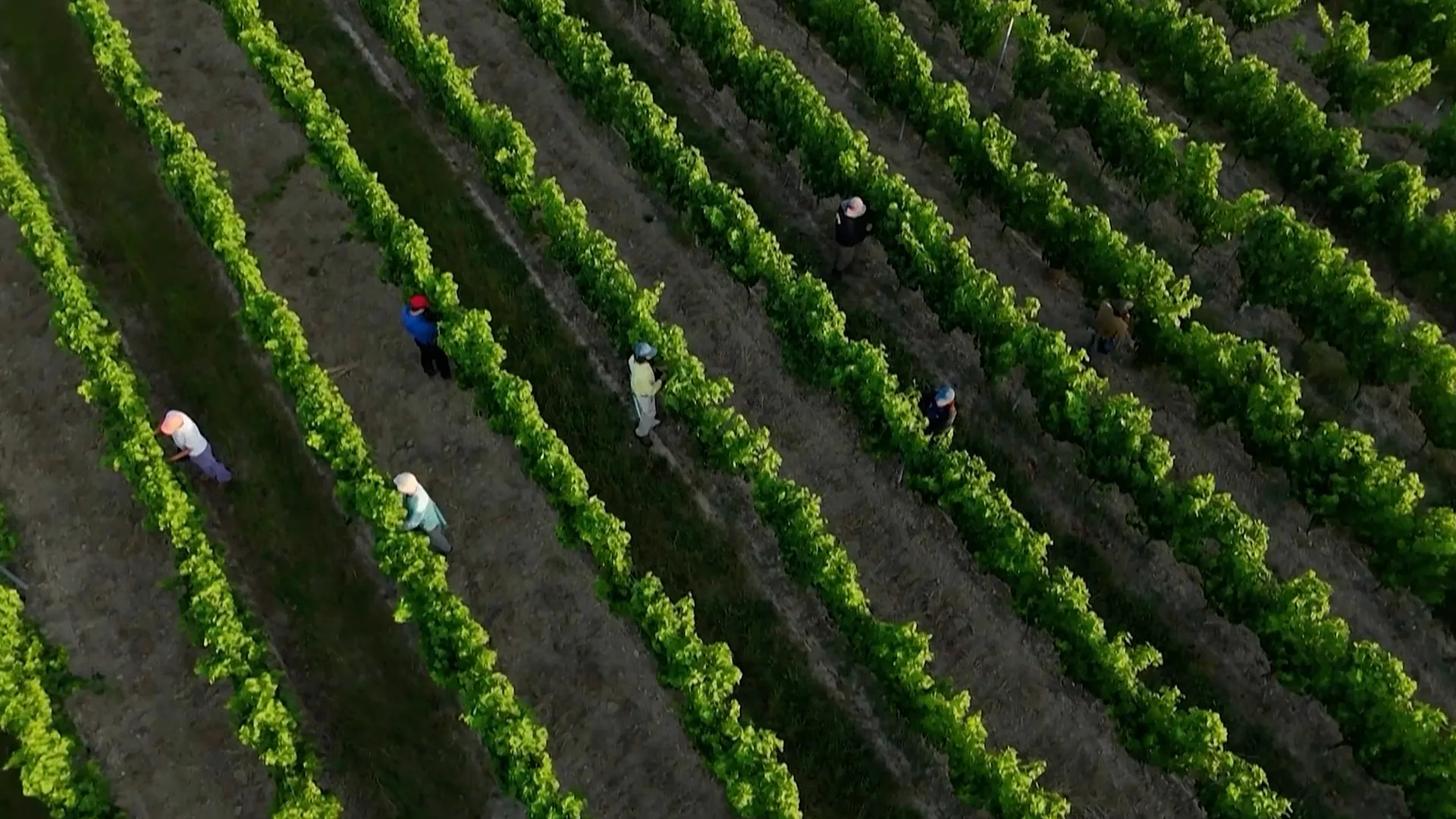
Temperatures approaching 40°C are forcing institutions and workers to reorganize.
PARIS, FRANCE — June 2026. A prolonged heatwave affecting much of France is placing growing pressure on agriculture, education, transportation, energy production and healthcare services. Temperatures could approach 40°C in several regions during the coming days, forcing employers and public institutions to modify their normal operations. Workers performing physically demanding jobs are being encouraged to avoid exposure during the hottest hours of the afternoon. Authorities are also monitoring vulnerable populations as the health risks associated with extreme heat continue to increase.
Agricultural businesses in southwestern France have begun moving working hours to the early morning to protect employees from dangerous temperatures. At a vineyard in La Sauve, in the Gironde department, temporary workers now begin before sunrise and finish their duties by the early afternoon. The previous schedule included both morning and afternoon shifts, exposing workers to periods when heat levels become particularly difficult to tolerate. The new arrangement allows agricultural labor to continue while reducing the likelihood of dehydration, sunburn and heatstroke.
Daniel Latorse, director of the vineyard producing grapes for Château Latorse, explained that the working day now starts at approximately 6:30 a.m. Employees are expected to complete their activities no later than 2:30 p.m., before temperatures reach their daily peak. Management has also reinforced requirements involving protective clothing, caps, sunscreen and regular hydration. These precautions remain essential because changing the schedule does not completely eliminate the physical risks associated with outdoor labor.
Temporary workers have generally welcomed the earlier timetable despite having to wake before dawn. A 17-year-old student employed at the vineyard said the adjustment allows workers to rest during the afternoon instead of continuing under oppressive conditions. He described physical labor as practically impossible when temperatures reach their highest levels. The experience illustrates how climate conditions are transforming routines across sectors traditionally dependent on fixed seasonal schedules.
Educational centers are also struggling to maintain normal activities because many classrooms lack adequate cooling systems. Indoor temperatures can become almost unbearable for students and teachers, particularly in buildings designed before extreme heat became a frequent concern. Some local authorities have adjusted schedules, suspended activities or introduced temporary measures to reduce exposure during the hottest periods. The situation has renewed debate over whether French schools require broader investment in insulation, ventilation and climate-adaptation infrastructure.
Construction companies and other employers responsible for outdoor work are similarly reorganizing their operations. Crews are beginning earlier, taking more frequent breaks and postponing the most demanding tasks when conditions become unsafe. Employers must balance productivity requirements with their obligation to protect workers from foreseeable health hazards. Unions and occupational safety specialists continue to demand clearer national rules for suspending work when temperatures exceed dangerous thresholds.
France’s railway network is under close surveillance because intense heat can damage infrastructure and disrupt passenger services. High temperatures may cause railway tracks to expand, while air-conditioning equipment can fail inside trains operating for extended periods. The national railway company SNCF has repeatedly modified its transportation plan as conditions have deteriorated. At least 71 trains were cancelled on certain routes as operators attempted to prevent technical failures and protect passengers.
Energy production is also facing restrictions because nuclear plants depend on river water for cooling operations. When rivers become excessively warm, facilities may be required to reduce output to prevent additional heating of aquatic ecosystems. These limitations can emerge precisely when electricity demand increases because homes, offices and businesses are using more air-conditioning equipment. The combination creates additional pressure on a power system that must maintain supply while complying with environmental safeguards.
Agriculture faces risks extending beyond the immediate health of field workers. Soil is drying rapidly at deeper levels, increasing irrigation requirements and threatening crops during critical stages of development. Regions already affected by drought are becoming more vulnerable to vegetation fires as plants and forest areas lose moisture. Farmers must therefore confront simultaneous challenges involving labor conditions, water availability, production costs and the possibility of reduced harvests.
French hospitals and medical services have recorded increased consultations related to the physical effects of high temperatures. Elderly people, infants, individuals with chronic illnesses and those living without effective cooling are considered especially vulnerable. Heat exhaustion, dehydration and cardiovascular complications can develop rapidly when exposure continues for several days. Health authorities are urging residents to drink water regularly, remain indoors during peak hours and check on relatives or neighbors who may require assistance.
Urban environments can intensify the danger because concrete, asphalt and densely constructed buildings retain heat long after sunset. Residents and visitors in cities such as Paris have sought relief near public fountains, shaded parks and air-conditioned spaces. Nighttime temperatures may remain unusually high, preventing the human body from recovering after prolonged daytime exposure. This cumulative effect can increase medical emergencies even when individual daily temperature records are not broken.
Local administrations are reviewing public events, sports activities and municipal services as forecasts indicate that extreme conditions could persist. Organizers may change schedules, establish water distribution points or cancel gatherings when adequate protection cannot be guaranteed. Public transportation agencies are advising passengers to carry water and verify service conditions before travelling. Authorities are also reminding the public never to leave children, elderly people or animals inside parked vehicles.
Climatologists warn that heatwaves are beginning earlier in the year and occurring with greater frequency and intensity. The current episode reflects a broader European trend associated with climate change and rising average temperatures. Governments can no longer treat extreme heat exclusively as an occasional summer emergency requiring temporary responses. Adaptation increasingly demands structural changes in buildings, workplaces, transportation networks, agriculture and healthcare planning.
France’s immediate priority is limiting health consequences while maintaining essential services under difficult operating conditions. The broader challenge will be redesigning institutions and infrastructure for a climate in which severe heat becomes increasingly common. Measures introduced temporarily during the current episode may eventually become standard procedures throughout the summer season. The heatwave demonstrates that climate pressure now affects nearly every dimension of economic and social activity.
France’s response will test its ability to transform emergency measures into lasting climate resilience.