

 Phoenix 24
When a democracy prepares its youth for uniformed duty, the nation signals that ordinary times may be ending.
Varces, November 2025
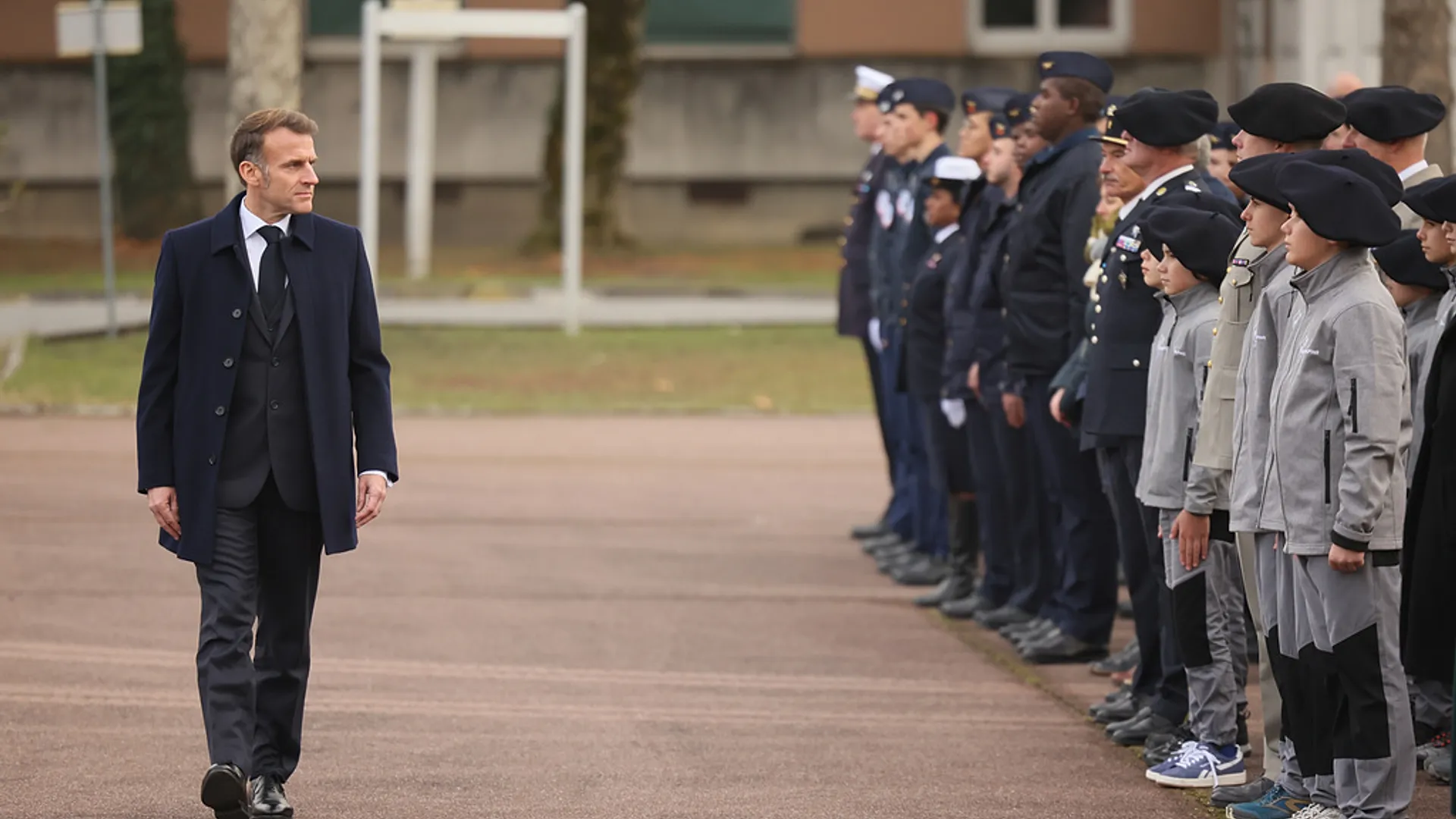
Standing before the elite mountain infantry units in southeastern France, the president announced a sweeping initiative that will reintroduce voluntary national service for young citizens starting next summer. The measure marks the most significant recalibration of French defense policy since the end of compulsory conscription nearly three decades ago, and it reflects a broader European anxiety over the continent’s shifting security landscape.
The program targets young adults aged eighteen and nineteen who choose to commit to a structured ten month cycle. The schedule includes one month of basic training followed by nine months of service within domestic military units. Participation will occur exclusively within French territory, both metropolitan and overseas, avoiding the precedent of deploying volunteers to foreign operations. The government emphasized that the system will remain voluntary, with any move toward mandatory conscription requiring parliamentary approval under exceptional circumstances.
Authorities expect to welcome a first cohort of about three thousand participants in 2026. If internal evaluations prove favorable, the annual intake could climb to ten thousand by 2030 and potentially reach fifty thousand by 2035. The stated purpose is twofold: to strengthen national readiness in an era marked by geopolitical volatility and to rekindle a sense of civic responsibility among younger generations whose relationship with military institutions has grown distant.
Defense analysts across Europe interpret the announcement as a response to mounting strategic pressures, including instability on the continent’s eastern flank and the persistent risks associated with hybrid warfare and cyber intrusions. They argue that France is moving to expand its reserve potential while cultivating a population with basic training capable of responding quickly in crisis scenarios.
Supporters of the initiative believe it can rebuild the civic connection between society and the armed forces. They point out that long term stability often depends on a shared understanding of collective responsibility, especially in moments when global tensions sharpen. For them, voluntary service becomes not only a defense measure but also a mechanism for creating cohesion among young adults who might otherwise feel disconnected from national missions and historical narratives.
Critics worry that the plan subtly shifts France toward a culture of permanent mobilization. They warn that encouraging military readiness as a civic expectation could blur the line between civilian identity and defense structures, especially in a political climate where security rhetoric has gained remarkable influence. Others question whether the program’s voluntary nature will remain intact if geopolitical conditions deteriorate further.
On the ground, the initiative arrives at a moment of introspection for the French public. The memory of past conscription still resonates among older generations, some of whom recall both the burdens and the perceived sense of unity it created. Younger citizens show mixed reactions. Some view the program as an opportunity for personal development and national service, while others see it as an indication that the government anticipates a harsher strategic future.
Beyond national borders, European institutions watch closely. France’s decision may influence debates within neighboring countries that are reexamining defense doctrines, reserve capacities and the role of civilian populations in emergency response frameworks. The resurgence of structured service programs in one of the continent’s major military powers could signal the beginning of a broader continental shift.
The announcement reveals a deeper transformation taking place quietly across Europe. As geopolitical tensions rise, traditional boundaries between military and civilian spheres are being renegotiated. National service, once considered a relic of the twentieth century, reappears as a tool for navigating an uncertain future. France’s initiative may become a model or a cautionary tale, depending on how the coming years unfold.
Phoenix24: intelligence for free audiences. / Phoenix24: intelligence for free audiences.