

 Phoenix 24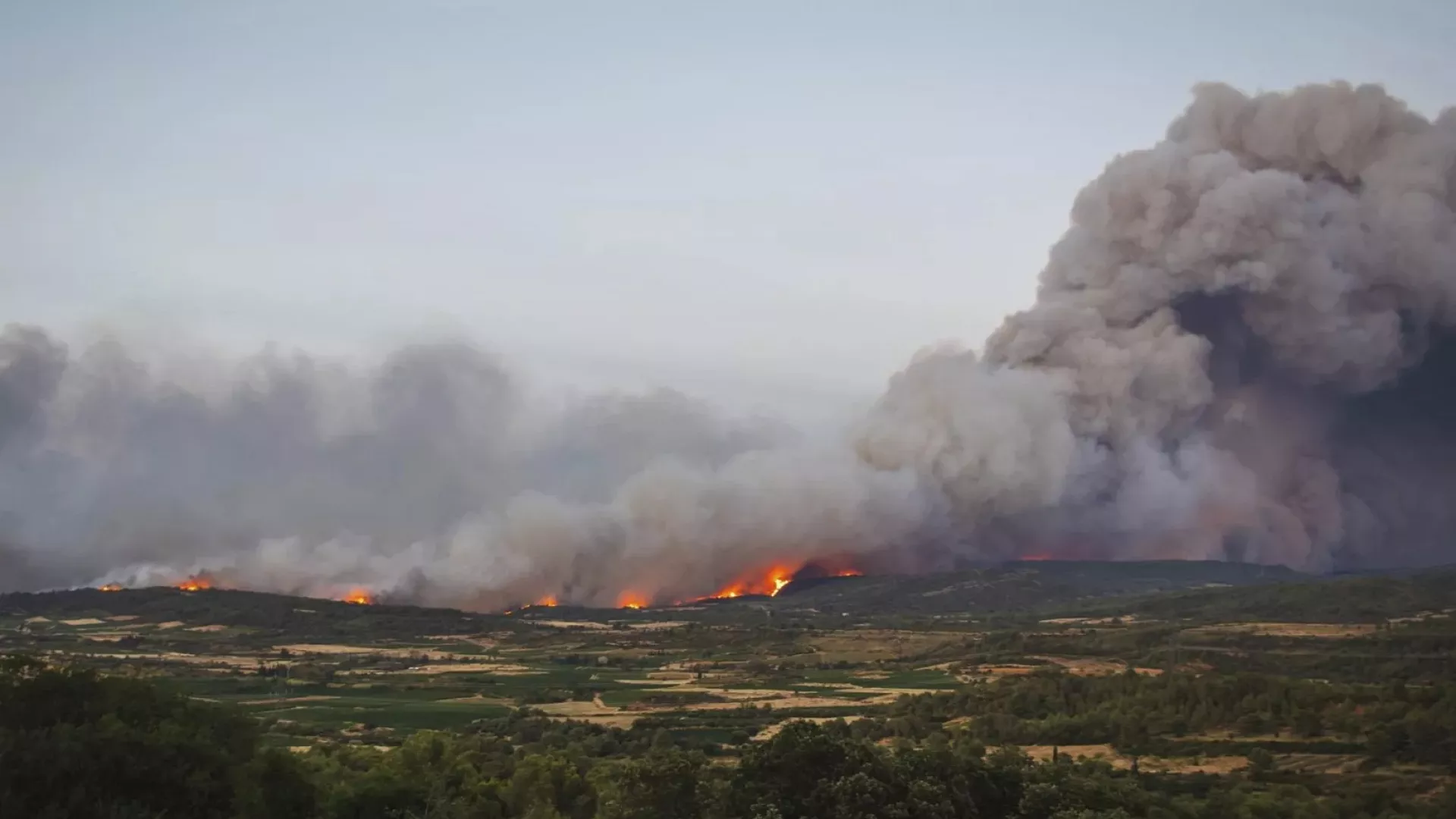
A perfect storm of drought, deregulated agriculture, and extreme heat reshapes the environmental threat of the 21st century
Aude, France – August 7, 2025 — Southern France has entered a new era of climate emergency. What began as a spark in the hills of Ribaute has become the country’s largest wildfire since 1949, with over 16,000 hectares consumed in under a week. The scale of devastation has not only overwhelmed emergency services but sent shockwaves through political corridors in Paris, Brussels, and Strasbourg: climate crisis is no longer a future scenario, but a burning present.
More than 2,000 firefighters, supported by military units and aerial suppression aircraft, have been deployed—but containment remains elusive. Authorities have warned that even if the fire’s perimeter is stabilized, reignition remains likely due to forecasted heatwaves and critically dry soil conditions. Meteorologists caution that the heatwave sweeping the continent is not only persisting but intensifying, creating conditions ripe for further outbreaks.
Prime Minister François Bayrou described the disaster as “unprecedented,” linking it directly to accelerating climate change. Environment Minister Agnès Pannier-Runacher highlighted the combination of prolonged drought, erratic winds, and temperatures nearing 40°C as factors enabling the fire’s uncontrollable spread. What were once considered exceptional events now resemble a new pattern.
But the catastrophe is not only natural—it is institutional. Over the past year, more than 5,000 hectares of vineyards in the Aude region were abandoned or dismantled for economic reasons, removing natural firebreaks that for decades had slowed wildfires. Winemakers and agricultural associations have criticized the absence of coordinated prevention policy, leaving the territory increasingly vulnerable.
Structurally, this wildfire is part of a broader trend. Summer 2025 has already surpassed historical records for burned areas in countries like Spain, Greece, and Italy. The Mediterranean basin is fast becoming one of the world’s most exposed zones to ecosystem collapse by fire. As heatwaves lengthen and rainfall diminishes, soil and forest resilience decline—creating what environmental experts call a “chronic combustion cycle.”
The political response hovers between operational urgency and strategic hesitation. While France has requested European support, proposals for a shared EU climate prevention fund remain bogged down in budget negotiations. Simultaneously, talks are underway in Brussels for a Mediterranean Ecological Resilience Mechanism, which would include smart reforestation, soil restoration, and agricultural revitalization to counter desertification.
The European Environment Agency has warned that without changes to territorial management, southern Europe could face a 40% increase in severe wildfires by 2030. Reports from the Lowy Institute in Oceania emphasize that this pattern isn’t isolated: Australia, Chile, and California report parallel phenomena pointing to a climate breakdown without borders.
The impacts go far beyond ecology. The regional wine economy—one of the most important in France—has sustained multimillion-euro losses. Rural tourism is in free fall, and entire communities have been evacuated. Public health is also under strain, with spikes in respiratory illnesses and heat stress affecting the most vulnerable. In this context, fire is as much a political force as it is a natural one.
France now faces a critical fork in the road: continue reacting to disasters, or redesign its ecological and territorial model. The wildfires of 2025 are not anomalies—they are symptoms of a system that no longer balances human development with planetary limits. If politics fails to meet the scale of the crisis, the fire will return. And next time, it won’t ask permission.
Produced by Phoenix24 with verified international information and independent analysis, this report reflects our commitment to quality journalism and geopolitical responsibility.
Elaborado por Phoenix24 con información internacional verificada y análisis independiente, este reportaje refleja nuestro compromiso con el periodismo de calidad y la responsabilidad geopolítica.