

 Phoenix 24
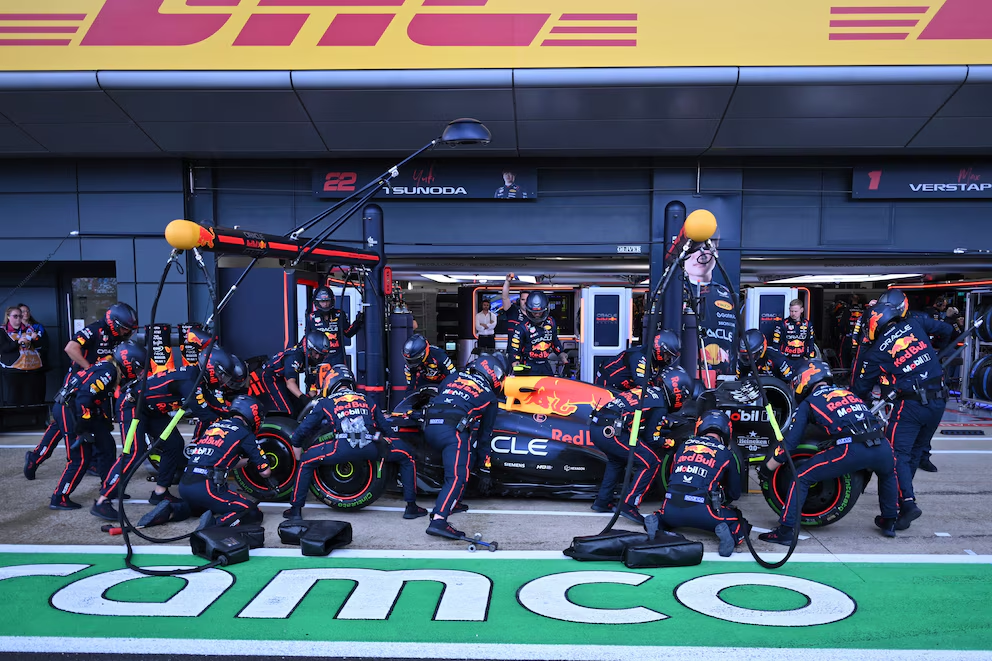
When technology makes racing too perfect, the solution may be to reintroduce chaos—by regulation.
London, November 2025
Formula 1’s leadership is considering a sweeping modification to its sporting regulations that could force two mandatory pit stops per race starting next season. The proposal, debated within the FIA’s Sporting Advisory Committee, seeks to increase overtaking, vary strategies, and restore unpredictability to a championship criticized for becoming too procedural.
In recent seasons, advances in tyre durability and car efficiency have reduced the strategic tension once central to Grand Prix racing. Most teams now complete races with a single stop, eliminating the dynamic shifts that pit windows used to create. Under the proposed rule, every driver would need to use at least two different tyre compounds and make two full pit entries—effectively turning each race into a chess match between timing, degradation, and risk.
Support for the plan is mixed. Midfield teams such as Alpine, Haas, and Williams reportedly favor the change, arguing that it could narrow the competitive gap by introducing more opportunities for undercuts, virtual-safety-car gambles, and pit-crew influence. Top contenders, including Red Bull and Ferrari, remain skeptical, warning that “artificial strategy requirements” could distort sporting fairness and increase operational hazards in already tight pit lanes.

The FIA has not yet published a formal draft, but internal simulations reviewed by Phoenix24 suggest that double-stop races would extend total pit time per team by an average of 21 seconds per event, raising fuel-consumption variables and mechanical stress. Engineers privately admit that such adjustments could also demand re-optimization of car cooling systems and gearbox endurance over full race distance.
This discussion is part of a broader review that includes sprint-race formats, hybrid-energy recovery deployment, and DRS regulations. Liberty Media, the sport’s commercial rights holder, is reportedly pressuring the FIA to adopt measures that sustain viewer engagement amid record global audiences and new streaming partners.
For fans, the stakes are high. Formula 1 has always balanced spectacle and purity—a tension that defines its identity. Two compulsory stops might restore tactical suspense but risk alienating purists who view such changes as manufactured drama.
If approved before February 2026, the reform would represent one of the most consequential shifts in modern F1 strategy since the ban on refueling in 2010. It would transform not only race dynamics but also the economics of pit-crew performance, data analytics, and tyre-supply logistics.
The decision now lies between innovation and tradition—a question as old as the sport itself.
Phoenix24: beyond the news, the pattern. / Phoenix24: más allá de la noticia, el patrón.