

 Phoenix 24
The World Cup also remembers its fractures.
Mexico City, May 2026. The history of the World Cup is usually told through champions, goals and heroic nights, but its margins often reveal something more uncomfortable: football has always been vulnerable to improvisation, disorder and symbolic imposture. The case revisited by SPORT places attention on one of those strange episodes where the tournament’s institutional image collided with the irregular realities surrounding global football. What appears at first as a curious anecdote becomes a reminder that the World Cup was never only a sporting event; it has also been a stage where rules, identity and power have been tested.

The fascination of the story lies in its contradiction. A team or figure seen as an anomaly inside the tournament did not merely participate in football history, but exposed the fragility of the system that claimed to organize it. World Cups are built on hierarchy, qualification, national representation and competitive legitimacy. Yet their own archives show moments when the structure allowed exceptions that later seemed almost impossible to explain.
That is why these episodes endure beyond nostalgia. They challenge the polished version of FIFA’s global mythology and remind audiences that football’s universal language has often depended on bureaucratic gaps, political context and uneven governance. The so-called impostor is less a joke than a symptom of a sport expanding faster than its own controls.
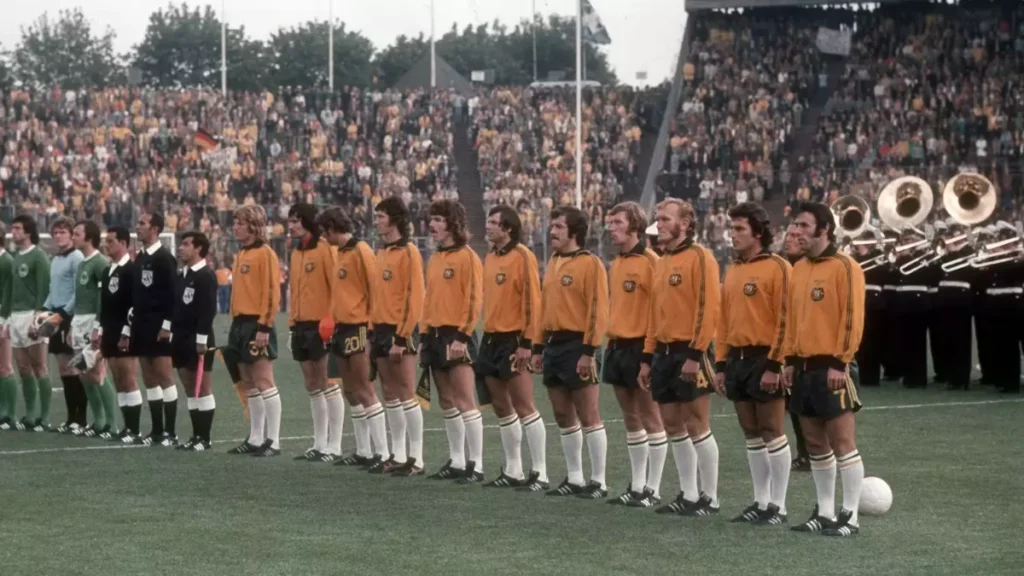
In the current era, with the 2026 World Cup expanding to 48 teams and stretching across three host countries, these old stories acquire new relevance. The tournament is bigger, more commercial and more logistically complex than ever, but scale also multiplies vulnerability. The past suggests that football’s grand machine can always produce unexpected cracks when spectacle grows faster than institutional coherence.
The deeper lesson is not that the World Cup was once chaotic and now is perfect. It is that football’s legitimacy has always been negotiated between regulation and narrative. Every anomaly becomes part of the legend because it reveals what official history prefers to smooth over: the world’s most powerful sporting tournament is also a human system, and human systems always leak.
Facts that do not bend. / Hechos que no se doblan.