

 Phoenix 24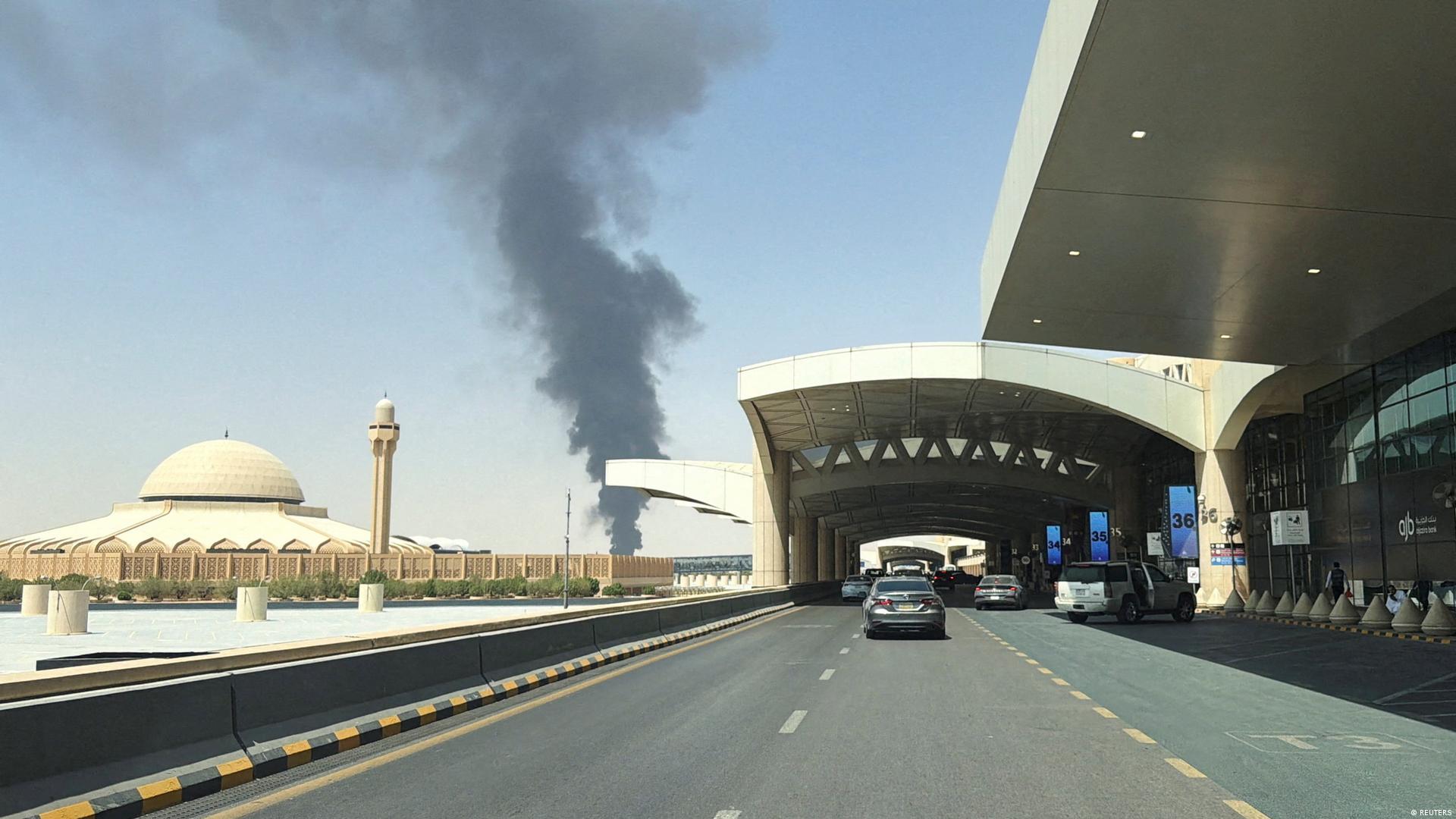
A burning fuel vehicle exposes the vulnerability of strategic infrastructure.
Riyadh, Saudi Arabia.
Flames and a towering column of black smoke were observed near King Khalid International Airport in Riyadh on September 19, hours after Saudi authorities issued emergency warnings about a potential aerial attack. Residents reported hearing explosions during the night, while videos circulating online showed smoke rising near the airport complex. The incident comes amid escalating hostilities involving Saudi Arabia and Yemen’s Houthi movement, adding uncertainty to an already volatile regional security environment. The precise cause of the fire has not been officially established.
Saudi Civil Defense sent emergency notifications to residents in Riyadh and Al-Kharj, warning them of potential danger and advising them to remain indoors and away from windows. Authorities subsequently issued an all-clear, although the warnings followed reports of loud explosions in the capital. A resident interviewed by Agence France-Presse described hearing the alarm before feeling the windows shake. The sequence of events raised concerns about the ability of aerial threats to reach sensitive infrastructure near the Saudi capital.
A journalist from Agence France-Presse witnessed firefighters attempting to extinguish a burning fuel truck near the airport. Reuters footage independently showed an extensive column of smoke rising above the surrounding area, with airport facilities visible in the foreground. Flight-tracking service Flightradar24 reported significant operational problems at the airport, although the full extent of flight disruptions remained unclear. Saudi authorities had not provided a detailed public explanation of the incident at the time of the initial reports.
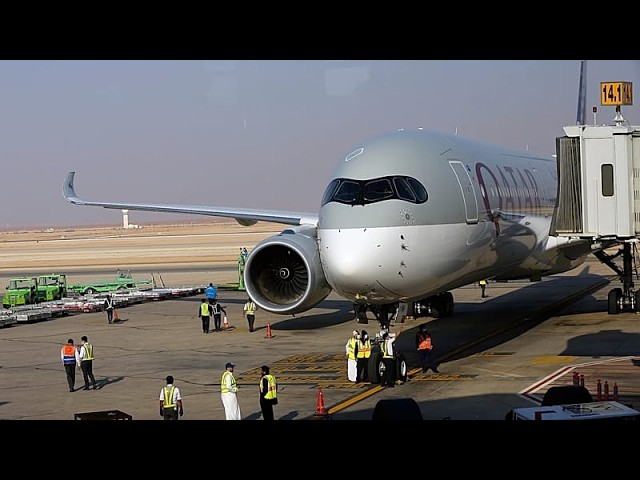
The incident occurred against the backdrop of intensified attacks by Yemen’s Houthi movement, which declared a naval blockade against Saudi Arabia in July. Since then, the group has increased attacks targeting Saudi cities, energy infrastructure and maritime traffic, while Saudi forces have conducted retaliatory strikes in Yemen. The latest escalation has unfolded alongside the wider conflict involving Iran and disruptions affecting the Strait of Hormuz. These overlapping crises have increased the strategic importance of protecting airports, energy facilities and commercial shipping routes across the region.
The United Nations has expressed concern about the deteriorating security environment around the Bab al-Mandab Strait, a critical passage connecting the Red Sea with the Gulf of Aden. UN Assistant Secretary-General Khaled Khiari recently called for sustained diplomatic engagement to prevent further escalation and preserve freedom of navigation. Continued instability around this maritime corridor could complicate international trade and energy transportation, particularly as shipping companies already face uncertainty elsewhere in the Middle East. The security implications therefore extend beyond the immediate confrontation between Saudi Arabia and the Houthis.
No casualties had been reported in the initial accounts of the Riyadh incident, and no organization had established responsibility for the fire. The proximity of the smoke to King Khalid International Airport does not, by itself, confirm that the facility was struck by a missile or drone. Determining whether the fire resulted from an attack, intercepted projectile or another cause requires an official investigation and additional evidence. The distinction is essential when incidents involving critical infrastructure occur during an active regional conflict.
The events in Riyadh highlight the growing challenge of protecting civilian transportation infrastructure amid expanding aerial and maritime threats. Saudi Arabia must manage domestic security while confronting developments in Yemen and their implications for regional energy markets. The immediate emergency alert has ended, but the circumstances surrounding the airport fire remain unresolved.
Phoenix24: claridad en la zona gris. / Phoenix24: clarity in the grey zone.