

 Phoenix 24
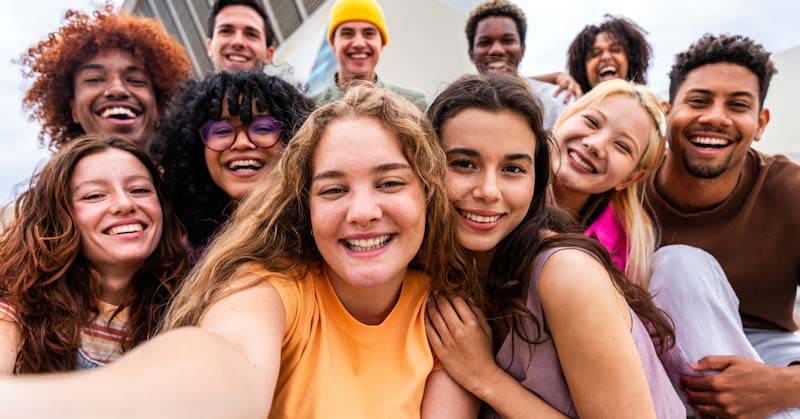
Wellbeing is built in ordinary minutes.
New York, February 2026.
Gen Z is often described as hyperconnected, anxious, and chronically tired, but the more useful lens is structural. This cohort grew up inside always on platforms, pandemic-era disruption, and a labor market that rewards availability more than recovery. In that environment, health is not mainly a willpower problem, it is a systems design problem that plays out through sleep, movement, food, attention, and relationships. The best habits for Gen Z are therefore not heroic routines, they are small defaults that reduce friction and make stability easier to maintain.
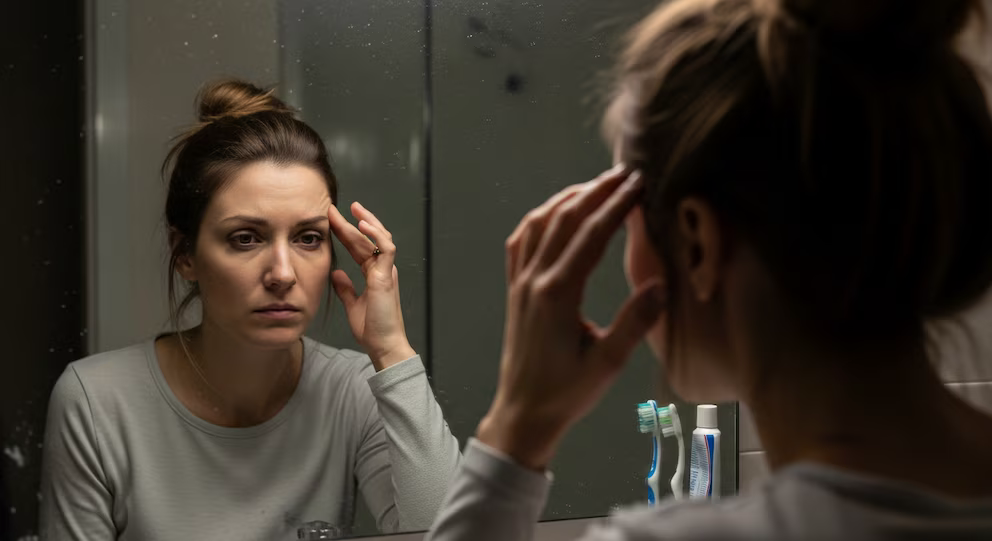
Sleep is the first lever because it governs almost everything else, including mood regulation, appetite, impulse control, and learning. According to the World Health Organization, sleep is a core pillar of mental health and cognitive function, not a luxury add-on. Gen Z’s challenge is not ignorance, it is timing, late-night screens, variable schedules, and the social pressure to be reachable. A workable habit is a fixed wake time with a 60-minute digital wind-down, because consistency matters more than chasing the perfect number of hours.
The second habit is daily movement that is deliberately unglamorous, because fitness culture often fails precisely by making the entry cost too high. The World Health Organization’s physical activity guidance consistently points toward regular activity for health, yet many young adults interpret “exercise” as a gym identity rather than a bodily need. A realistic baseline is 20 to 30 minutes of brisk walking most days, plus two short strength sessions per week using bodyweight or light resistance. Movement becomes sustainable when it is attached to an existing routine, like walking after lunch, commuting on foot, or taking calls while outside.
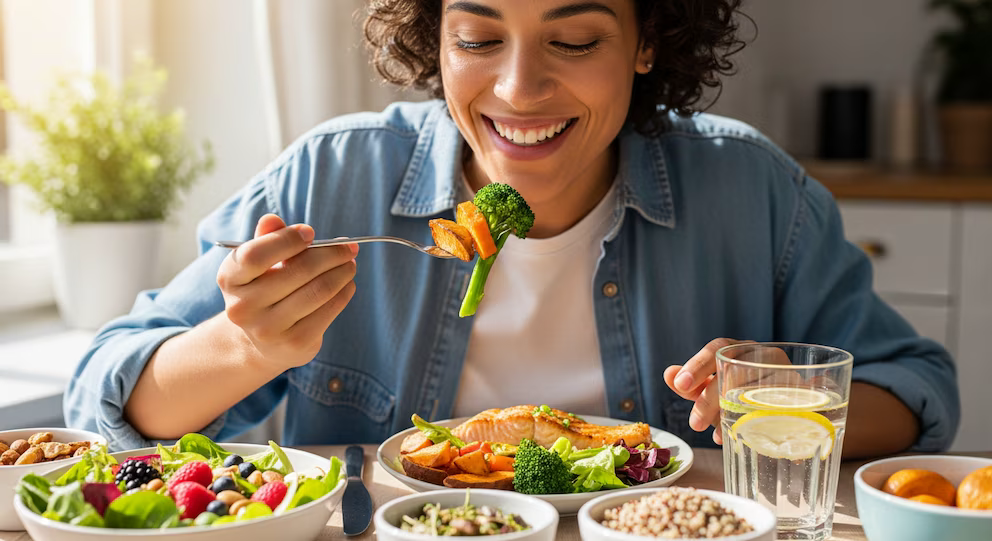
Third, nutrition for Gen Z should be framed as energy management, not moral purity, because restriction cycles tend to worsen stress and rebound eating. The OECD has highlighted how modern diets and metabolic risk are shaped by convenience systems, ultra-processed foods, and price pressure, not simply personal choices. A high-impact habit is to build one reliable meal template you can repeat, with a protein anchor, a fiber source, and a hydrated beverage. If you do nothing else, prioritize breakfast protein and stable hydration, because those two reduce afternoon crashes and improve concentration.

The fourth habit is digital hygiene, because attention is now a physiological variable. The American Psychological Association has repeatedly discussed how constant connectivity and information overload can intensify stress and disrupt sleep, especially when boundaries are weak. Digital hygiene is not quitting the internet, it is introducing friction where platforms are optimized to remove it. Two simple rules work: no notifications for non-humans, and no algorithmic feeds in the first 30 minutes after waking, because that window sets the day’s emotional tone.
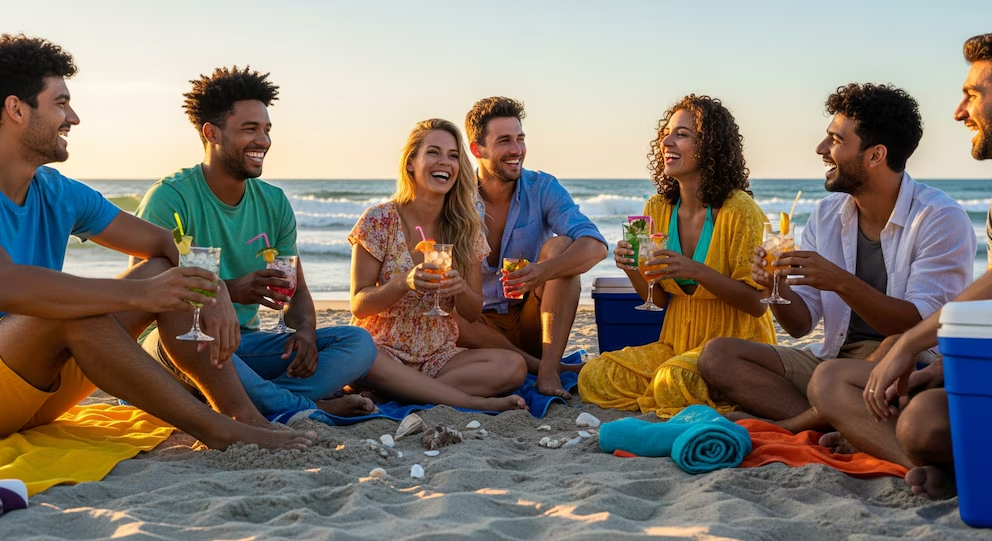
The fifth habit is social protection, because mental health is not only internal, it is relational. UNICEF and other global child and youth advocates have emphasized that wellbeing is tied to supportive networks, belonging, and trust, particularly in periods of uncertainty. Gen Z often has many contacts but fewer stable anchors, which makes stress feel private even when it is common. A practical habit is a weekly check-in with one person you can be unfiltered with, plus one low-pressure group activity that does not revolve around consumption.

These habits work best when they are treated as defaults rather than goals. A default is something you do even on mediocre days, while a goal is something you do only when motivation is high. Gen Z has been trained by platforms to chase spikes, viral wins, and short bursts of intensity, which is the wrong psychology for health. The body prefers boring consistency, and the brain prefers predictable recovery.
It also helps to understand what usually breaks these habits, because failure patterns are repeatable. Sleep collapses when nighttime becomes the only private time, movement collapses when it is framed as punishment, nutrition collapses when it is framed as perfection, and social health collapses when everything is mediated through performance. The solution is not more discipline, it is smarter constraints, like earlier sunlight exposure, smaller workouts, simpler meals, and fewer performative social obligations. When the habit is designed to survive stress, it becomes protective rather than aspirational.
There is a broader cultural point underneath this, and it explains why Gen Z needs habits that look modest. Many institutions now outsource wellbeing to individuals, telling them to meditate and optimize while systems continue to produce instability. Healthy habits are still worth building, but they should not be framed as personal redemption projects. They are tools for staying functional inside a noisy environment, and they should be judged by whether they make life more livable, not whether they look impressive.
If Gen Z adopts one meta-habit, it should be tracking energy instead of tracking aesthetics. Ask simple questions: did you sleep enough to feel steady, did you move enough to feel awake, did you eat in a way that prevented a crash, did you protect attention, did you speak to someone who made you feel real. This framing reduces shame and increases learning, because it ties behavior to lived outcomes. Over time, these habits compound into something bigger than wellness, they create a stable platform for ambition.

The final advantage is that these habits are portable, meaning they work across countries, cultures, and income bands because they are based on human constraints. Sleep, movement, food quality, attention, and connection are not trends, they are architecture. When the world feels uncertain, architecture matters more than motivation. Gen Z does not need a new identity to be healthier, it needs a few stable defaults that keep the nervous system from living in permanent emergency.
Phoenix24: journalism without borders.
Phoenix24: periodismo sin fronteras.