

 Phoenix 24
Weather is now a buying feature.
Detroit, February 2026.
Climate change is no longer a distant backdrop for the American auto market, because extreme heat, floods, wildfires, and storm seasons are reshaping what drivers fear, what they insure, and what they purchase. What looks like a consumer trend is actually a systems shift: households are pricing climate exposure into everyday mobility, often before policymakers or manufacturers admit it out loud. A decade ago, car shopping centered on fuel economy, safety ratings, and financing, but today it increasingly includes questions about where the car will live, how it will survive summers, and whether it can operate when conditions become abnormal. The market is adapting unevenly, and the unevenness is the signal.
The first transformation is demand, because climate risk changes what “reliable” means in daily life. Heat waves make cabin cooling, thermal management, and battery behavior visible to ordinary drivers, while heavy rain and flooding push ground clearance, sealing quality, and corrosion concerns closer to the front of the decision. Wildfire smoke adds another layer, shifting attention toward air filtration, cabin tightness, and whether the vehicle can serve as a short-term shelter when air quality collapses. These are not luxury preferences, they are stress responses to a changing environment that forces people to plan for disruption.
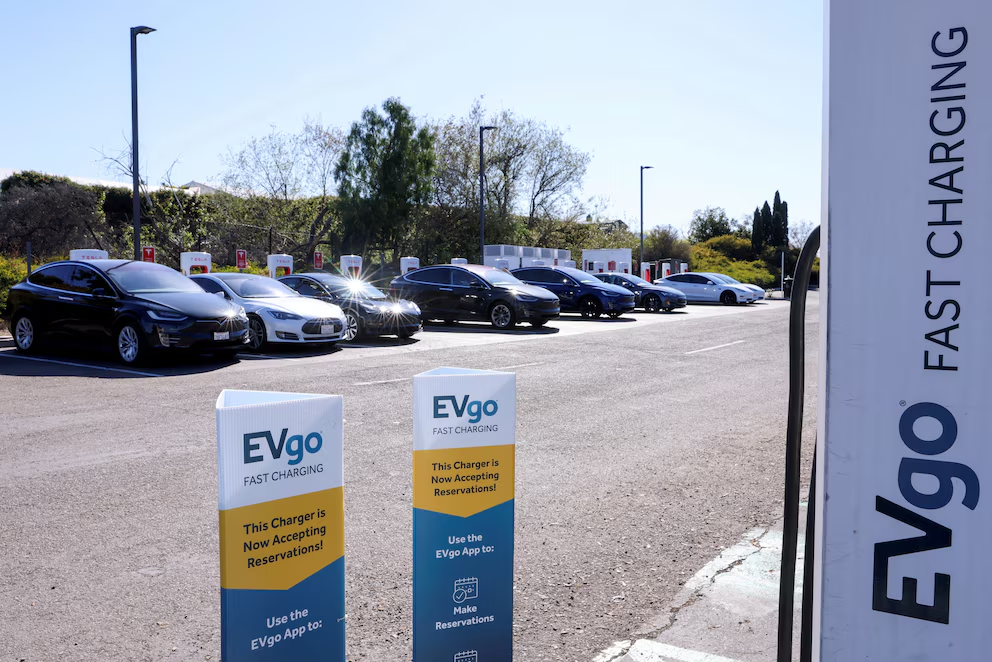
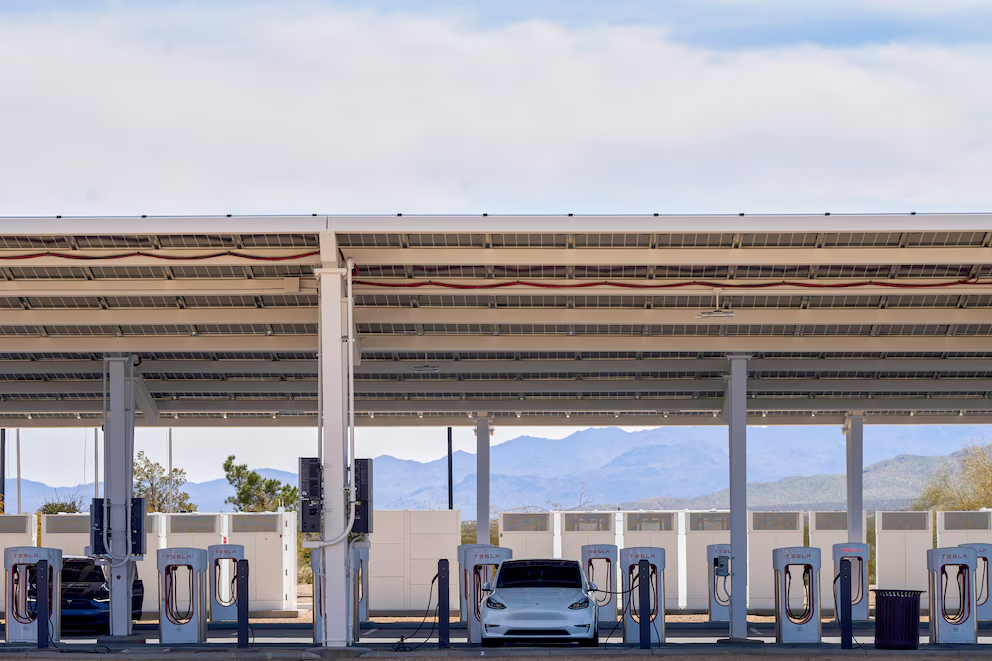
That pressure is helping electrified vehicles, but not only because of ideology or long-term decarbonization narratives. Hybrids and electric models appeal to many buyers as a hedge against volatile fuel costs and as a pathway to newer platforms that often include stronger software, better energy efficiency, and more modern thermal systems. At the same time, climate reality introduces friction for EV adoption, because temperature extremes can degrade range predictability and make charging logistics feel less forgiving. The result is a pragmatic pivot: for many households, hybrids become the compromise product that feels climate-aware without demanding a full behavioral rewrite. The market is not splitting into believers and skeptics, it is splitting into risk calculators with different tolerance levels.
Insurance is the second transformation, and it is quietly becoming a steering wheel for consumer behavior. As severe weather raises the frequency and cost of claims, insurers respond the way insurers always respond: with higher premiums, tighter underwriting, and more exclusions that appear technical until they hit your household budget. When coverage becomes expensive, buyers react by shifting away from high-risk geographies, choosing models that are cheaper to repair, or keeping older vehicles longer, even when that raises other risks. This matters because insurance is not merely a post-purchase detail, it is an ongoing subscription cost that can outweigh small differences in monthly payments. In a climate-stressed market, insurability becomes part of a vehicle’s value.
The used-car market feels this shift earlier and more sharply than the new-car market because it absorbs the damage from repeated shocks. Flooded cars can re-enter circulation through opaque channels, wildfire exposure can degrade interiors and electronics in ways that are hard to diagnose at purchase, and extreme heat accelerates wear on materials that were never designed for persistent temperature stress. Buyers respond with more skepticism and more demand for documentation, which increases the premium on verified histories and reputable dealers. In that environment, trust becomes a price variable, and the market becomes more punishing for consumers who cannot afford professional inspections. Climate change, in other words, turns information into protection, and protection into a cost.
Manufacturers are already adapting, but the adaptation is moving in layers that consumers do not always see. The visible layer is marketing, where brands emphasize durability, “all-weather” confidence, and rugged positioning even for suburban crossovers. The deeper layer is engineering, where thermal systems, sealing, drainage pathways, battery conditioning, and sensor robustness become more valuable because they reduce warranty risk and protect brand reputation. The hidden layer is supply chain, where a single hurricane, heat emergency, or regional disruption can delay parts and concentrate repair bottlenecks, driving up total ownership costs. When climate turns disruption into the norm, resilience becomes a design specification.
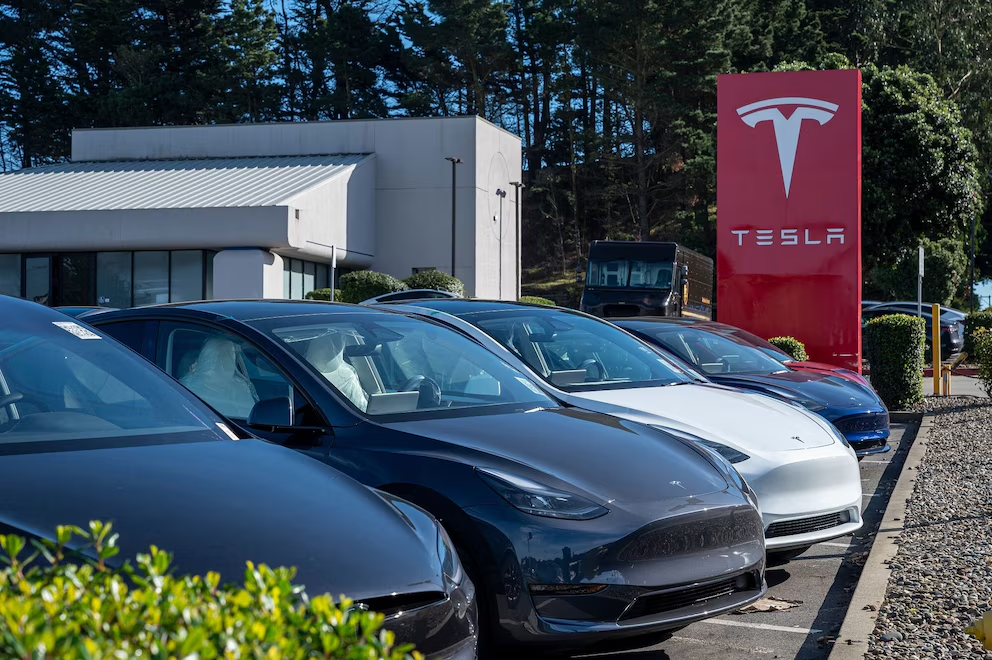
Dealers are also being pulled into a new role, moving from sales intermediaries to climate translators. They face customers who ask whether a vehicle can handle sustained heat without degrading comfort, whether it can manage detours during storms, and whether it will retain value in a region where climate risk is rising. Dealers cannot solve those risks, but they shape perceptions through what they stock, how they frame trade-ins, and which features they treat as “must haves.” When a market becomes uncertain, the seller’s narrative becomes part of the product. That is why the same vehicle can feel safe in one showroom and risky in another, even when nothing mechanical has changed.
The regulatory layer adds another twist, because policy signals can accelerate or stall adaptation depending on political cycles. Standards around emissions, safety, and energy infrastructure influence what manufacturers prioritize and how quickly charging networks expand, which in turn affects consumer confidence. When rules wobble, households hedge by buying what feels broadly compatible with multiple futures, often favoring proven platforms over experimental ones. This is one reason the middle of the market becomes crowded with incremental innovations rather than radical shifts, because incremental feels safer when the policy environment feels unstable. The car market is learning to live with uncertainty as a permanent condition.
What emerges is a market where climate change does not just affect what cars people want, it affects what cars people can afford to keep. Ownership is being reframed as a risk portfolio that includes climate exposure, insurance costs, repair delays, and the probability of disruption that forces alternative mobility. That portfolio logic helps explain why some consumers move toward electrified options, others toward higher-clearance vehicles, and others toward keeping what they have as long as possible. None of these choices are purely ideological, they are defensive adaptations in a system where weather increasingly behaves like an economic actor. The auto market is not only selling transportation now, it is selling continuity under stress.
Information that anticipates futures.
Información que anticipa futuros.