

 Phoenix 24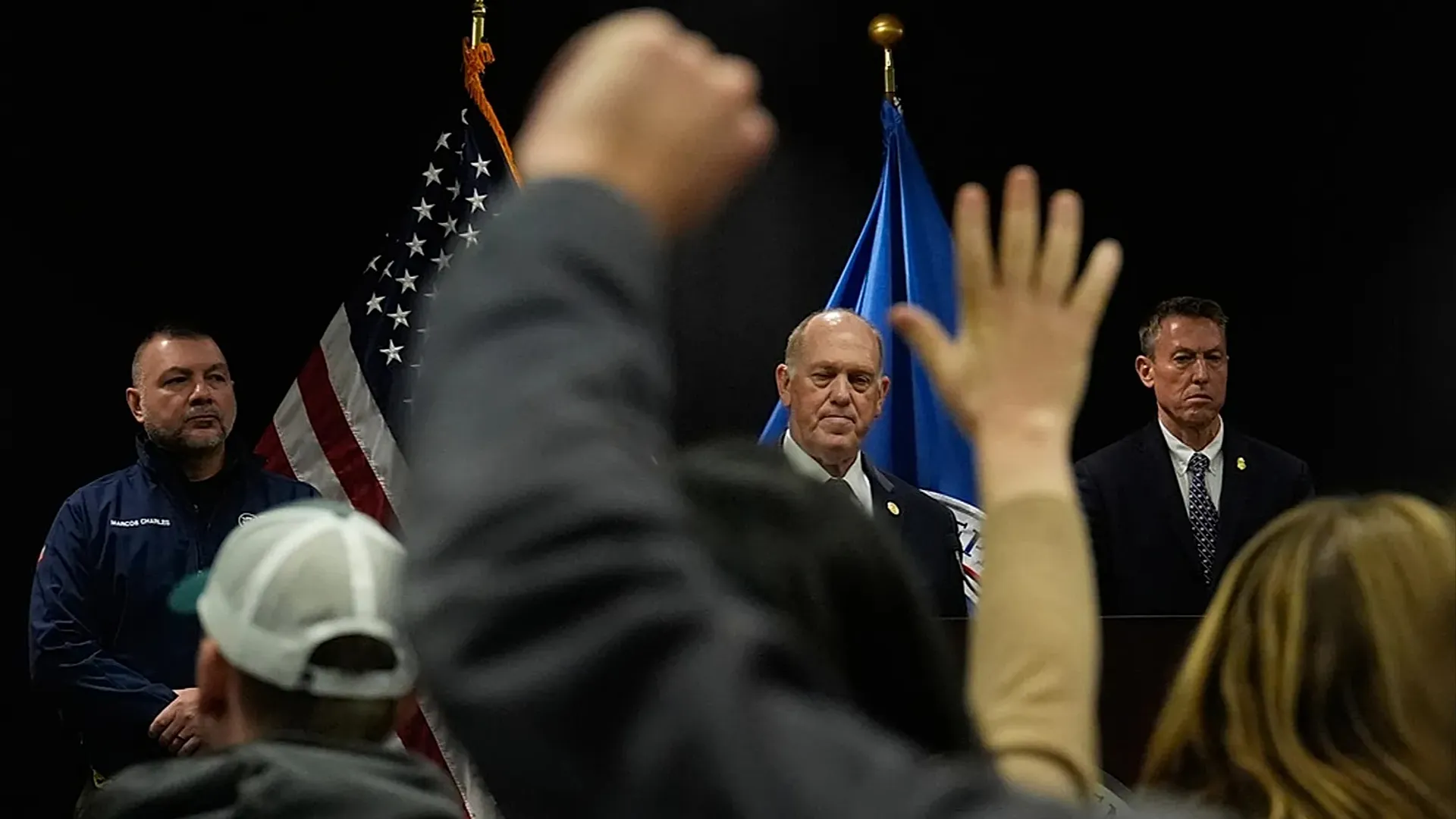
When border enforcement stops being about borders.
Minneapolis, January 29, 2026. The deployment of President Donald Trump’s border enforcement czar to Minneapolis represents a deliberate and symbolic expansion of federal authority into the urban interior of the United States. Officially framed as an effort to restore law and order, the move follows days of unrest triggered by fatal shootings involving federal immigration agents and signals a strategic shift in how the administration interprets the boundary between immigration enforcement, public order and domestic security.
What distinguishes this intervention is not merely the presence of federal agents, which is not unprecedented, but the elevation of immigration enforcement to the level of political command. By sending a senior White House figure associated with hardline border policy, the administration is transforming a local crisis into a nationally framed confrontation over authority, legitimacy and control. Minneapolis is no longer treated as a city managing unrest but as a proving ground for federal resolve.
The unrest itself emerged after two fatal incidents involving federal immigration officers, events that rapidly ignited protests, economic disruption and public outrage. Local officials emphasized accountability, transparency and the primacy of municipal law enforcement, while federal authorities framed the situation as one of escalating disorder fueled by hostility toward immigration agents. The resulting clash of narratives exposed a structural fault line between local governance and centralized power.
The arrival of the border czar alters that balance. It effectively federalizes the interpretation of events on the ground and reclassifies public unrest as a matter of national security rather than civic order. In doing so, the administration sidesteps local political leadership and reframes the conflict as one between federal authority and what it characterizes as destabilizing forces within the city. This reframing carries consequences that extend far beyond Minnesota.
Immigration enforcement, traditionally associated with border regions and ports of entry, is being repositioned as an internal security instrument. The Minneapolis deployment demonstrates how tools designed for external control can be redirected inward when political conditions allow. This shift blurs institutional boundaries and raises questions about how far federal power can stretch when law and order becomes an elastic concept rather than a clearly delimited responsibility.
The administration has insisted that operations will be more targeted and focused, emphasizing individuals with criminal records rather than broad enforcement actions. Yet the presence of high level federal command undermines claims of de escalation. Symbolically, it communicates firmness rather than restraint. Operational adjustments may occur, but the strategic message remains one of dominance and persistence.
Local resistance has been swift. City leaders and state officials have criticized the heavy federal footprint, arguing that it undermines community trust and inflames tensions rather than calming them. Civil rights groups have warned that the use of immigration enforcement in the context of public protest risks criminalizing dissent and normalizing federal intervention in municipal affairs. These objections highlight a deeper anxiety about the erosion of local autonomy.
At a systemic level, Minneapolis exposes the fragility of American federalism under stress. The constitutional balance between state and federal authority depends not only on law but on norms and restraint. When the federal government chooses to intervene directly in city level crises, especially through agencies designed for other purposes, those norms are tested. The question is not whether Washington can act, but how often it will choose to do so.
Politically, the deployment aligns with a broader narrative that prioritizes order over mediation and authority over negotiation. It resonates with a national audience attuned to security language and polarized debates over immigration. Minneapolis becomes a stage on which the administration can demonstrate resolve, even as the practical outcomes remain uncertain.
What happens next will shape precedents. If federal intervention succeeds in imposing calm without further escalation, it may be cited as justification for similar actions elsewhere. If it deepens unrest or fractures trust, it will still have served a different purpose by redefining the acceptable scope of federal involvement in local crises.
Minneapolis is therefore not an isolated episode. It is a signal event. It reveals how internal security doctrines evolve when political polarization, institutional power and symbolic enforcement converge. In that convergence, borders lose their geographic meaning and reappear wherever authority feels contested.
Behind every datum, there is an intention. Behind every silence, there is a structure.
Detrás de cada dato, hay una intención. Detrás de cada silencio, una estructura.