

 Phoenix 24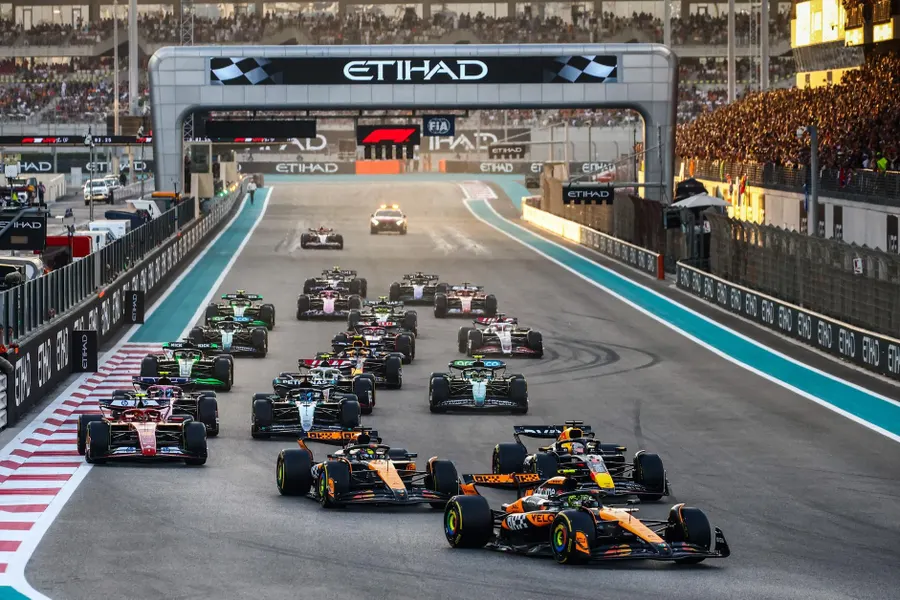
Money does not equal speed, but it buys margin.
Melbourne, March 2026
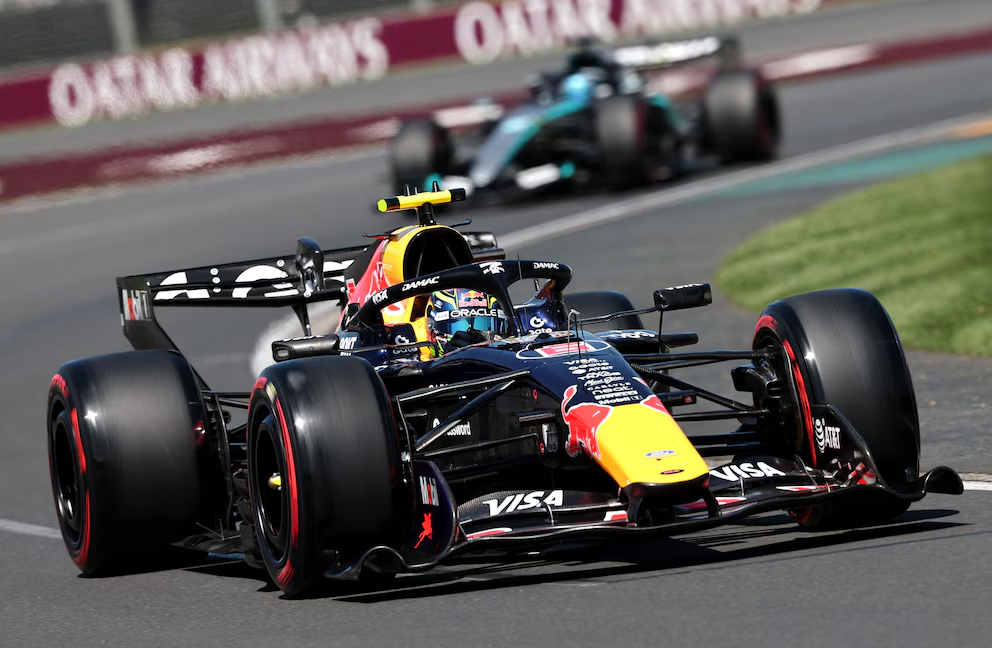
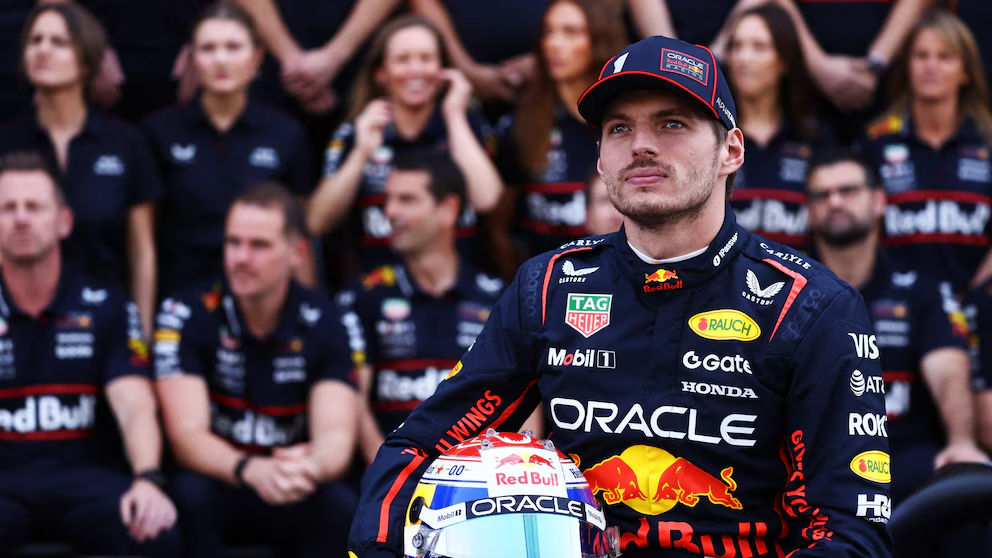
Formula 1’s 2026 salary table is less a list of paychecks than a map of leverage. Base salaries published by specialist trackers and echoed by U.S. media show a steep pyramid: a small elite group paid like global superstars, a thick middle paid like top professionals, and a rookie tier paid like apprentices inside a multibillion-dollar industry. The headline number is clear. Max Verstappen sits at the top on a reported 70 million dollars in base pay, with Lewis Hamilton close behind on 60 million, figures compiled by outlets such as RacingNews365 and referenced by NBC News and Spotrac-style tracking. The more revealing part is what happens below that: the pay drops fast, and the drop is the story.
At the top, the salaries describe bargaining power rather than “fair value.” Verstappen’s 70 million and Hamilton’s 60 million function like the cost of keeping a championship-caliber outcome inside your garage. Behind them, Charles Leclerc and George Russell are listed at 34 million each, and Lando Norris at 30 million, a cluster that reflects how teams price the probability of wins and titles. This is also where base salary stops being the real number. Bonuses, sponsorships, image rights and performance clauses can inflate total earnings dramatically, which is why teams protect details with confidentiality. The base pay, however, still matters because it is the clearest indicator of what a team thinks it must guarantee to keep a driver.
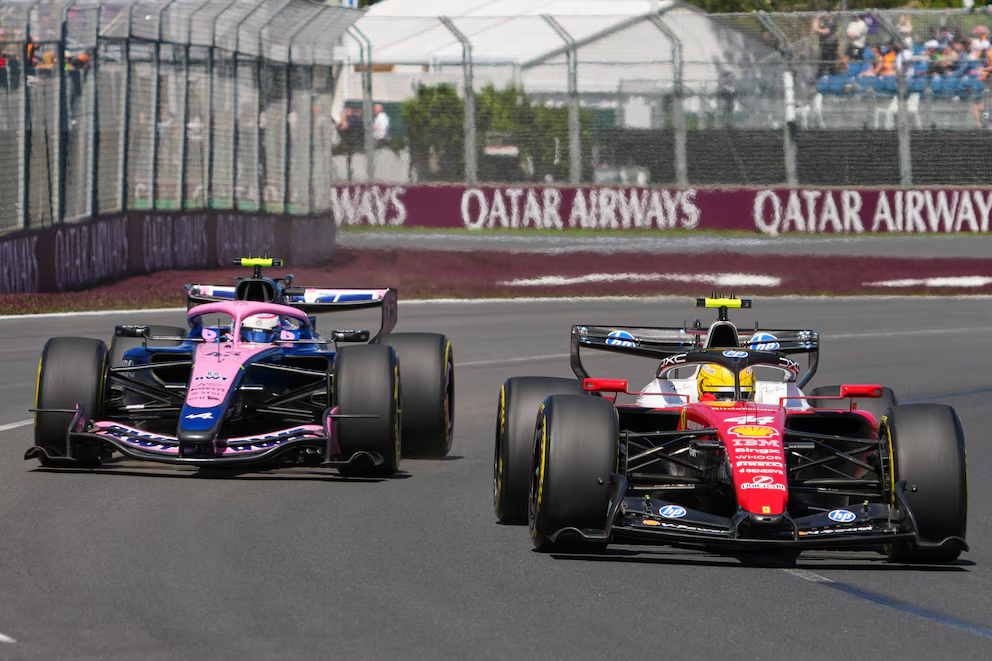
The “second tier” shows the sport’s generational overlap. Fernando Alonso is listed at 20 million, a veteran premium that pays for experience, feedback quality, and brand gravity even if the car cannot consistently fight at the front. Carlos Sainz and Oscar Piastri sit at 13 million each, positioned as high-value performance assets whose ceiling is still rising. Alex Albon, Pierre Gasly and Lance Stroll are grouped at 12 million, a band that signals stability and reliability more than star mythology. In a cost-capped era, that middle band matters because it often determines whether a team can fund upgrades without turning the driver into the entire budget story.
Then the cliff arrives. Sergio Pérez is listed at 8 million with Cadillac, and Esteban Ocon and Nico Hülkenberg at 7 million each, followed by Valtteri Bottas and Isack Hadjar at 5 million. The message is not that these drivers are “worth less” as athletes. The message is that scarcity is different at different tiers. A team that cannot buy a Verstappen or Hamilton instead tries to buy predictability, low-error weekends, and development direction, but it does so within a narrower salary band because the market has more substitutes. This is where the driver market behaves like a portfolio: star exposure is concentrated, and the rest is optimization.
At the bottom, the numbers expose how harsh the entry economics remain. Several rookies and young drivers are listed at 1 million or less, with some reported between 500,000 and 1 million, including Franco Colapinto and Arvid Lindblad in the published estimates. Others in that range include Oliver Bearman and Liam Lawson at 1 million, while Kimi Antonelli and Gabriel Bortoletto are listed at 2 million. This is not small money in ordinary life, but it is small money relative to the revenue they help generate and the risk they carry at 300 kilometers per hour. The rookie tier is where the sport’s glamour is most misleading, because the public sees global exposure while the paycheck reflects “proof you belong” rather than “we owe you.”
The salary distribution also shows how teams try to engineer stability under the budget cap. Driver pay is not always included inside the same spending restrictions that govern car development, but the cap has still changed behavior by tightening the culture around resource allocation. Paying two top drivers can elevate performance, but it can also compress spending flexibility in a sport where development speed is survival. That is why salary pyramids persist. Teams will spend big for a driver they believe can move the ceiling, then seek efficiency everywhere else. In 2026, the money is not only buying lap time, it is buying development confidence, because a driver who delivers consistent feedback and avoids crashes protects the budget from being consumed by repairs and resets.
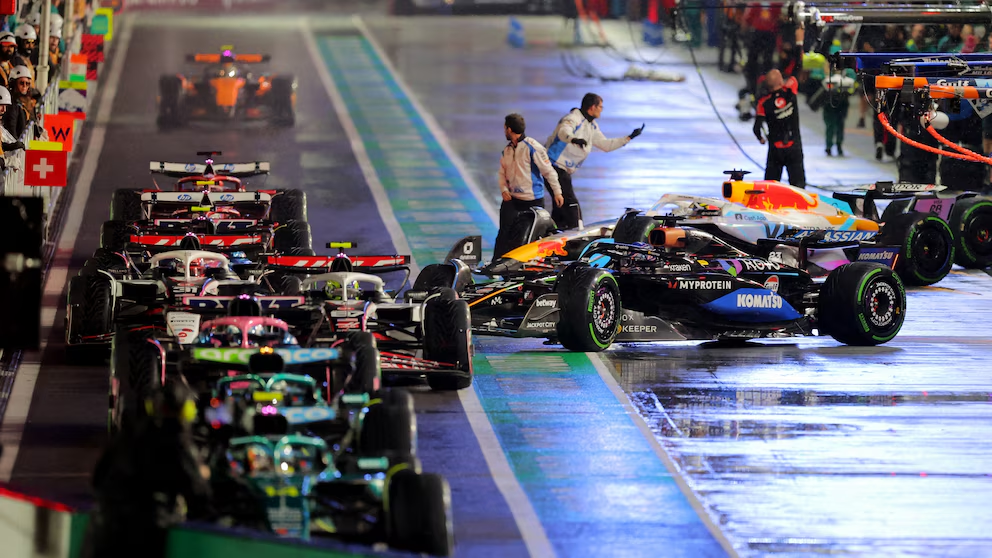
The most strategic implication is that 2026 salaries are also a bet on the new rules era. When power unit and energy management become more central, the driver’s ability to manage systems under stress becomes more valuable, and that value is often paid indirectly through longer contracts, bonuses, and structured incentives. The base salary list is a snapshot of reputation at the start of the era, not a final judgment. If a mid-tier driver becomes a system-master in the new regulations, their next negotiation will look very different. If a star struggles to adapt, their base salary remains high, but their leverage becomes more fragile.
Cadillac’s presence in the salary list is another signal: new teams tend to pay to buy credibility. A new entrant needs drivers who can guide an organization, anchor sponsors, and survive early pain without destabilizing the project. That is why experienced names appear alongside a new badge, even if the salary is not at the very top. Experience functions like insurance. It reduces chaos, which is often more valuable than a single spectacular qualifying lap when the platform is still being built.
The public takeaway is simple but important: these are base salaries, not total earnings, and they are not a clean ranking of talent. They are a ranking of leverage, timing, and perceived scarcity. In F1, the highest paid driver is rarely “overpaid” in the way fans assume. He is paid for the risk the team is trying to avoid: losing the title window, losing sponsors, losing morale, losing the future. Meanwhile, the lowest paid driver is rarely “cheap” in the way outsiders assume. He is priced like a trial investment, and he is expected to turn that trial into inevitability.
What the 2026 salary table ultimately reveals is the sport’s underlying truth: Formula 1 is an engineering championship wrapped in a star economy. The car remains the biggest determinant, but the driver remains the most visible symbol of outcome, which is why money concentrates at the top. The grid is not just 22 athletes. It is 22 contracts that encode what teams fear, what they believe, and what they are willing to underwrite.
La verdad es estructura, no ruido. / Truth is structure, not noise.