

 Phoenix 24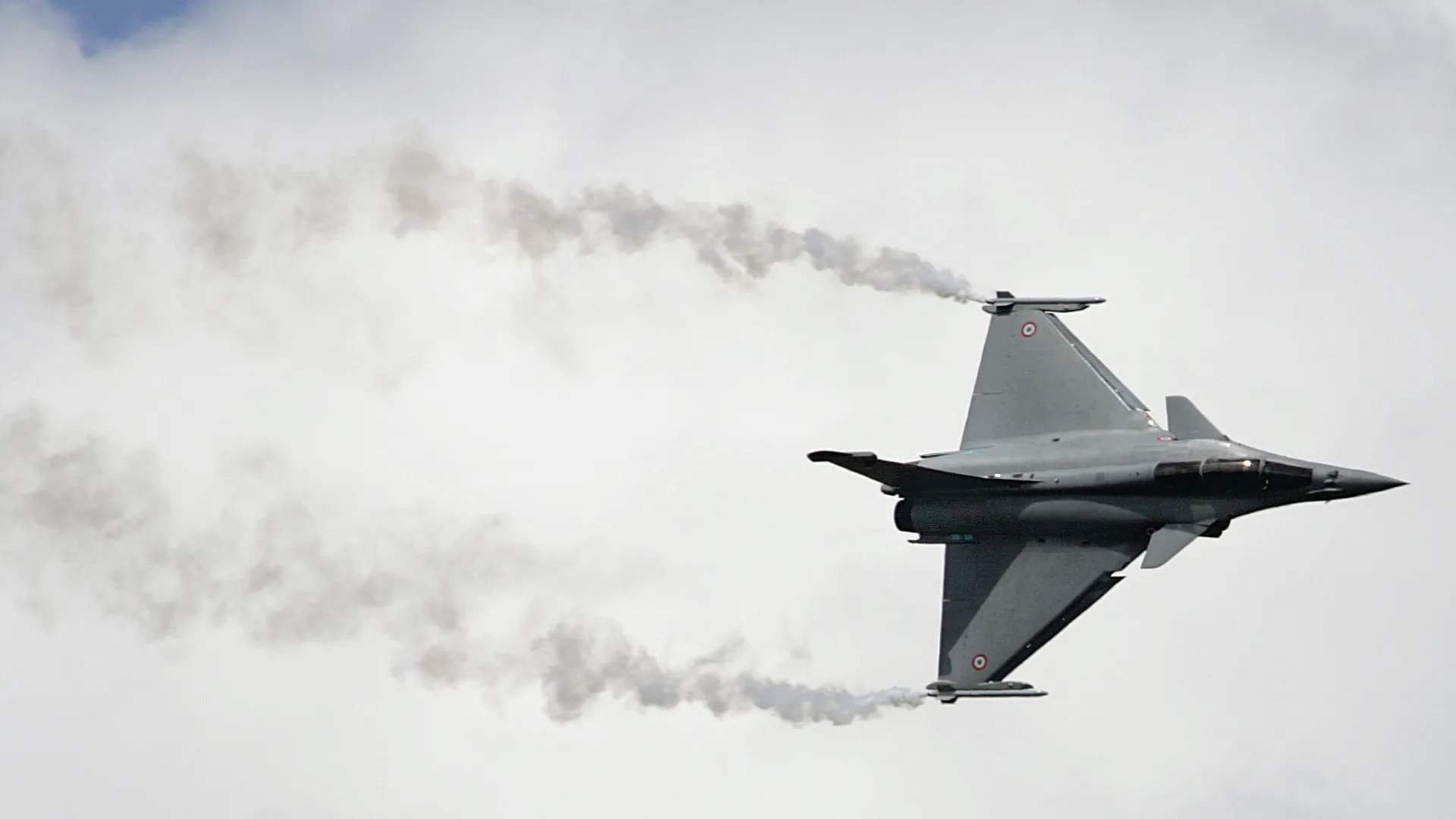
Industrial rivalry has wounded Europe’s defense ambition.
Brussels, June 2026. The collapse of Europe’s future fighter project has become more than a dispute between Airbus and Dassault. It is a blunt demonstration of how difficult it remains for Europe to transform strategic anxiety into shared military power, even when war, technological disruption and alliance uncertainty are pressing the continent toward deeper defense integration.
The Future Combat Air System was designed as a flagship program for France, Germany and Spain: a sixth-generation combat architecture intended to replace Rafale and Eurofighter platforms while integrating drones, sensors, combat cloud capabilities and advanced command systems. Instead, the project has stalled after Airbus and Dassault failed to resolve control over leadership, design authority and industrial distribution. What was sold as European sovereignty has run into the hard wall of corporate power and national prestige.
The symbolism is severe. Europe has spent years warning that it must reduce excessive dependence on the United States, strengthen its defense base and prepare for a harsher security environment shaped by Russia’s war posture and global technological competition. Yet when the moment arrives to build the machinery of autonomy, the continent’s internal architecture fractures around the same question that has haunted European defense for decades: who leads, who pays and who owns the future?
Germany is now weighing alternative routes, including deeper reliance on existing U.S. platforms, new industrial coalitions, or an Airbus-led path that could involve Spain and possibly other partners. France, meanwhile, faces the temptation to protect Dassault’s national technological ecosystem rather than dilute authority inside a multinational framework. Spain remains exposed between both poles, with Indra tied to a program whose strategic value depends on whether Europe can still rescue parts of the broader combat system.
The deeper failure is not technical. It is political-industrial. A sixth-generation fighter is no longer just an aircraft; it is a node in a networked battlespace where software, data, electronic warfare, unmanned systems and interoperability define operational superiority. Losing time in this domain is not a procurement inconvenience. It is a strategic penalty.
The collapse of the fighter plan does not mean Europe lacks talent, capital or engineering capacity. It means Europe still lacks the discipline to subordinate national industrial reflexes to continental security objectives. That gap is now visible at the worst possible moment: when the continent is trying to convince itself, Washington, Moscow and Beijing that European defense sovereignty is no longer just a slogan.
Más allá de la noticia, el patrón. / Beyond the news, the pattern.