

 Phoenix 24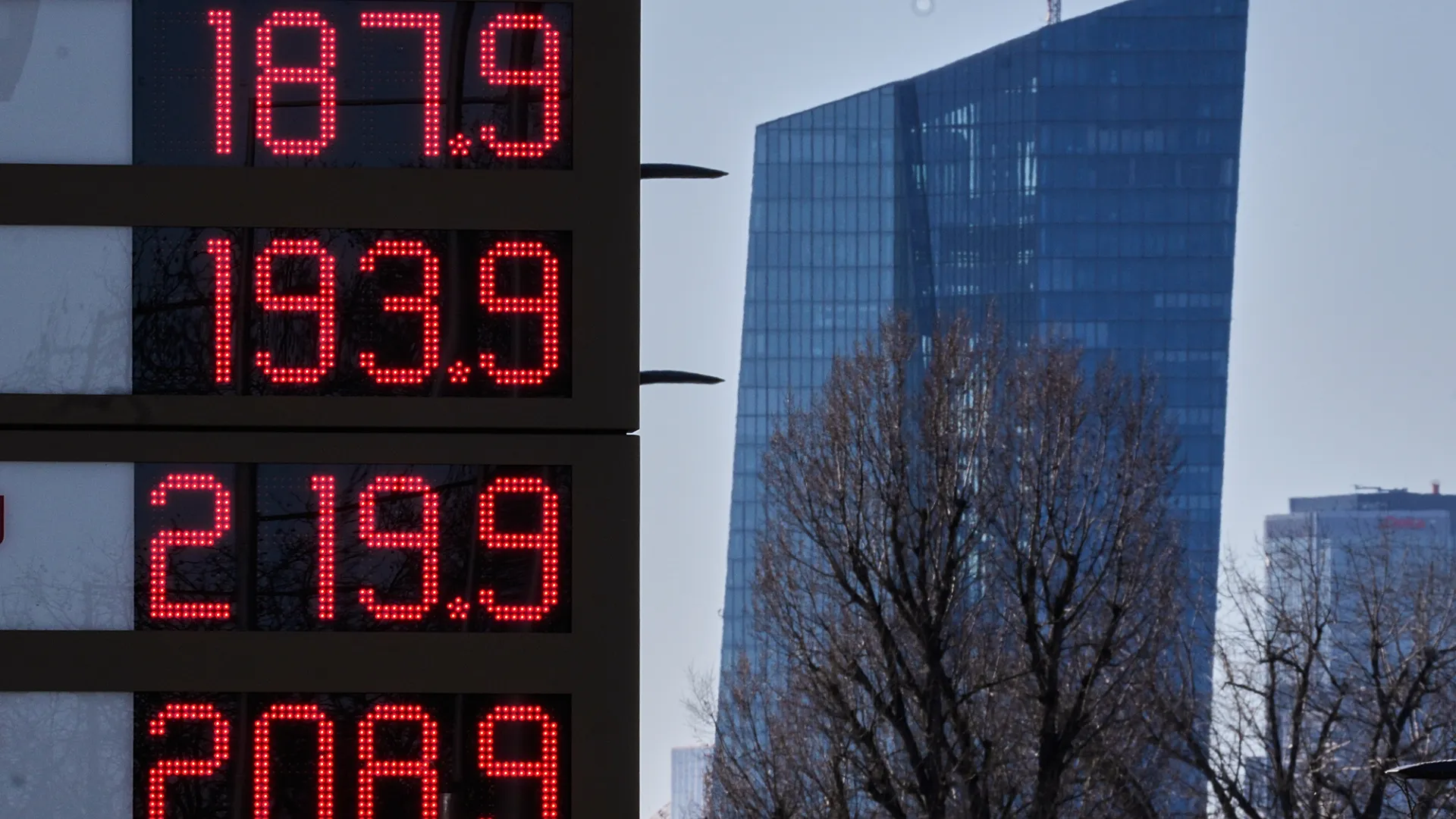
Energy shocks punish the weakest links first.
Frankfurt, March 2026
Europe’s vulnerability to the Iran war is not primarily about direct trade with Iran. It is about transmission channels that move faster than diplomacy: oil and gas prices, shipping insurance, freight routes, risk sentiment, and the policy constraints these shocks impose on central banks and governments. Euronews frames the question in those terms and cites analyst work suggesting the immediate macro hit could be modest in headline GDP, but the risk profile rises sharply if disruption around the Strait of Hormuz persists. One cited estimate puts the growth drag around 0.1 percentage points for the euro area this year under a limited shock scenario, which is small enough to look manageable and large enough to matter in a bloc already operating with thin growth margins.
The first and most obvious channel is energy. European policy and finance figures have warned that prolonged disruption and higher energy prices could generate broader inflationary effects, complicating monetary policy and rate decisions while also weakening investment appetite. That is the key structural point: Europe may not be the battlefield, but it is exposed to the pricing logic of a battlefield. Even a relatively contained shock can change inflation expectations quickly, and those expectations are now central to how households, firms, and markets interpret risk.
Central bankers have already been shaping expectations in public. Senior European monetary officials have signaled that a long Iran war would push inflation up and weigh on growth, while a swift resolution would likely keep inflation effects short-lived and limited. They have also emphasized that it is premature to adjust policy immediately, which is a way of saying the central bank is watching the war as an inflation variable but does not yet see stable inputs. Meanwhile, private-sector forecasting has moved faster, with some major banks revising assumptions and warning that the Middle East crisis increases inflation risks enough to reduce room for additional rate cuts in 2026. This divergence between institutional caution and market repricing is typical in war-driven shocks.
The second channel is shipping, and it matters because it converts regional insecurity into a logistics tax. Freight and insurance costs rise when a corridor becomes unstable, and those costs spill into consumer prices and industrial inputs even if Europe’s direct exposure to Iran is limited. In recent days, the conflict has been associated with higher shipping costs for energy cargoes and wider caution in commercial navigation around key chokepoints, while major carriers have adjusted routes and suspended certain transits. Even when supply is not fully cut, delays and rerouting increase time, cost, and uncertainty. Supply chains do not need a total blockade to feel pain. They only need lost reliability.
The third channel is the policy trap Europe dislikes most: inflation pressure arriving when growth is already modest. Oil price rises transmit rapidly into retail fuel, transport costs, and business input pricing. Even small headline inflation increments can matter because they narrow the central bank’s space to ease, force governments to manage household anger over living costs, and revive short-term mitigation playbooks that many leaders wanted to leave behind. The problem is rarely one shock alone. It is compounding: energy pushes inflation, inflation constrains policy, constrained policy weakens growth support, and weak growth makes societies more politically reactive to further shocks.
Exposure is also uneven across countries and sectors. Economies with higher energy intensity, fragile household purchasing power, or strong dependence on trade-sensitive manufacturing tend to feel the squeeze earlier. Financial markets have reflected a risk-off posture in recent sessions, which matters because confidence often weakens before hard macro data moves. Firms delay investment when uncertainty rises, and households can shift spending when energy costs re-enter the fear zone. In an environment where Europe’s growth is already thin, that confidence channel becomes disproportionately important.
What changes on the wider board is the framing: Europe is not simply “affected by oil prices.” It is exposed to a chain reaction in which energy and shipping shocks feed inflation, inflation constrains monetary policy, and constrained policy reduces Europe’s ability to cushion growth. Under a short disruption, the hit may look contained. Under a prolonged disruption, the problem becomes compounding, and compounding is where Europe’s thin-growth equilibrium breaks.
Beyond the news, the pattern. / Beyond the news, the pattern.