

 Annika Voigt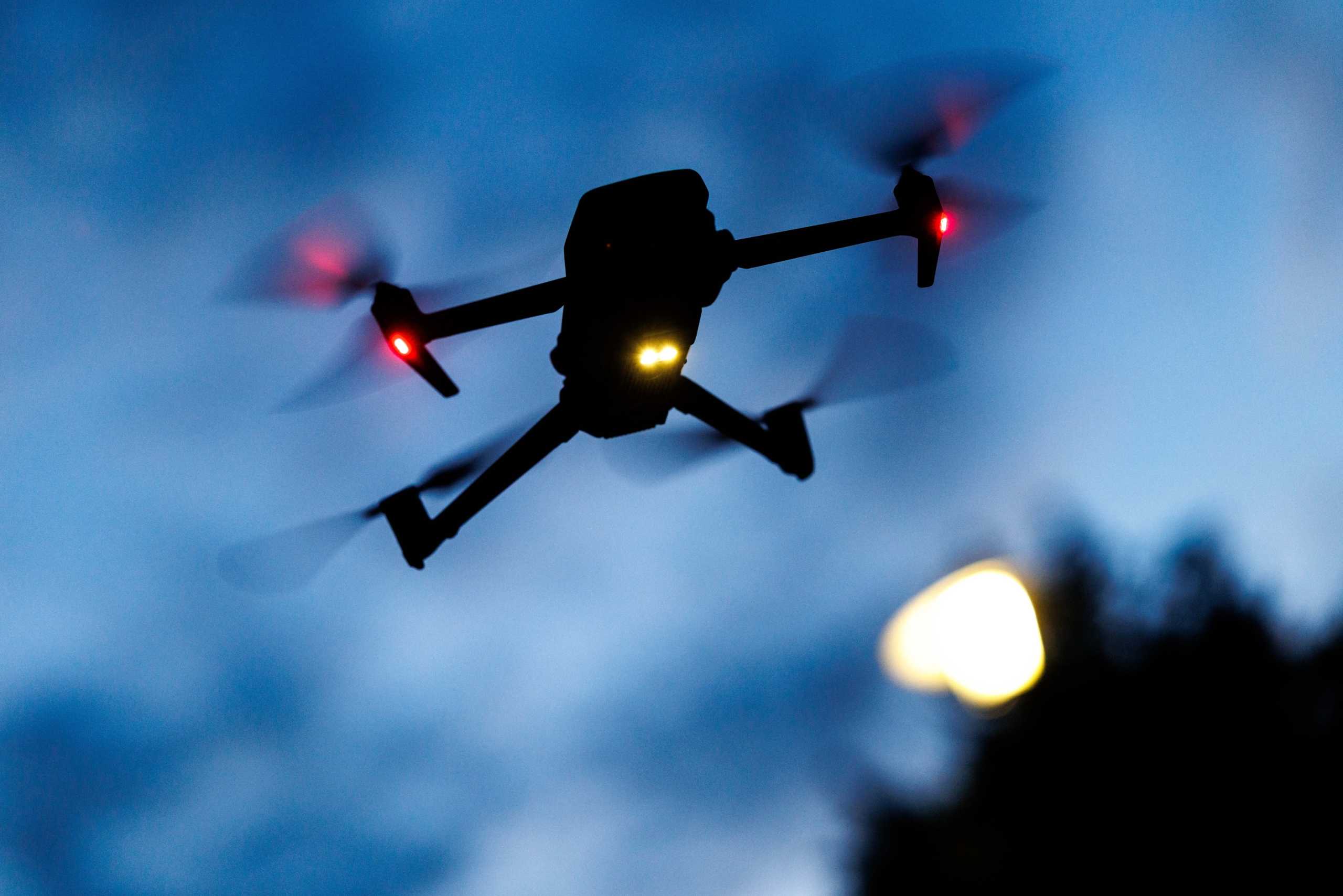
The next European conflict may not begin with tanks.
Brussels, April 2026
Europe is learning, too slowly and too painfully, that modern coercion rarely announces itself as war. It arrives instead through severed cables, cyber intrusions, disinformation campaigns, suspicious drone activity, pressure on elections, digital interference and the quiet corrosion of public trust. What Brussels increasingly describes as hybrid threat is no longer a theoretical category discussed in strategic forums. It is becoming the everyday operating environment of European security, where the line between civil disruption and geopolitical attack grows thinner by the month.
That shift matters because the old European security reflex was built around visible escalation. Armies crossed borders, missiles struck targets and governments reacted within an established vocabulary of deterrence and defense. The current threat landscape is more elusive and, in some ways, more dangerous. Critical infrastructure can be sabotaged without formal attribution reaching political consensus. Public opinion can be manipulated without a single shot fired. Electoral systems can be distorted not necessarily by outright fraud, but by the saturation of narratives designed to fragment confidence before citizens even reach the ballot box.
Brussels now finds itself at the center of this silent war because the European Union is both a target and a stage. It is a target because its open societies, digital interdependence and institutional complexity create vulnerabilities that hostile actors can exploit. It is a stage because every successful disruption inside Europe sends a larger message to allies, adversaries and markets alike: that the continent remains wealthy, connected and normatively ambitious, but still uneven in its capacity to defend the connective tissue that holds its democracies together. In this environment, the infrastructure of daily life becomes the terrain of strategic confrontation.
The danger is not only technical. It is psychological. Hybrid pressure works because it does not seek immediate conquest; it seeks accumulated doubt. It teaches societies to question whether their systems can still protect them, whether institutions still deserve trust and whether truth itself can survive the speed of manipulation. A cyberattack can be repaired. A damaged undersea cable can be replaced. An election can still be held. But once citizens begin to internalize the idea that everything is vulnerable and nothing is fully knowable, the deeper victory has already begun to take shape.
This is why the European conversation about resilience has become more urgent and more expansive. Protecting democracy in 2026 no longer means only defending voting procedures or condemning hostile propaganda after the fact. It means hardening infrastructure, coordinating intelligence, preparing for sabotage, securing digital ecosystems, protecting media pluralism and accepting that information warfare is now inseparable from continental security. Europe’s problem is not that it lacks vocabulary for this challenge. Its problem is that its institutional tempo still often moves slower than the pressure being applied against it.
NATO has also adapted its language to reflect this reality, increasingly treating hybrid aggression as part of the broader security environment rather than as a secondary nuisance. That change is significant because it signals that strategic disruption is no longer confined to cyberspace or influence operations in the abstract. It now includes the cumulative pressure placed on transport systems, undersea assets, communications networks, borders and political cohesion. Europe is being forced to recognize that deterrence in the twenty-first century cannot remain purely military if the attacks designed to weaken it are primarily civilian in form.
For Annika Voigt, this is the real Brussels story. The struggle is no longer only over budgets, directives or declarations of unity. It is over whether Europe can transform itself from a reactive regulatory power into a strategically hardened democratic space. That does not require abandoning European values. It requires defending them with more realism. Press freedom, open debate and democratic pluralism remain strengths, but in a hybrid environment they can also become points of entry for actors skilled at exploiting openness without respecting it.
The European Union now speaks more confidently about democratic resilience, foreign information manipulation and the protection of critical infrastructure. That is progress, but it is not yet the same as strategic maturity. Real maturity would mean accepting that hybrid warfare is not a prelude to conflict. It is conflict, conducted below the threshold that Europe once preferred to treat as peace. Until Brussels fully absorbs that truth, it will continue to chase symptoms while adversaries work patiently on systems, perceptions and fault lines.
The next European battlefield may have no clear front and no official declaration. It may look like a data breach, an energy disruption, a manipulated narrative, a compromised platform or an election conducted under atmospheres of engineered mistrust. That is what makes this siege so difficult to confront. Europe is not facing a single enemy in a single theater. It is facing a mode of power designed to remain deniable while making democratic life feel increasingly fragile. The real test now is whether Brussels can stop treating resilience as a slogan and start building it as a continental doctrine.