

 Phoenix 24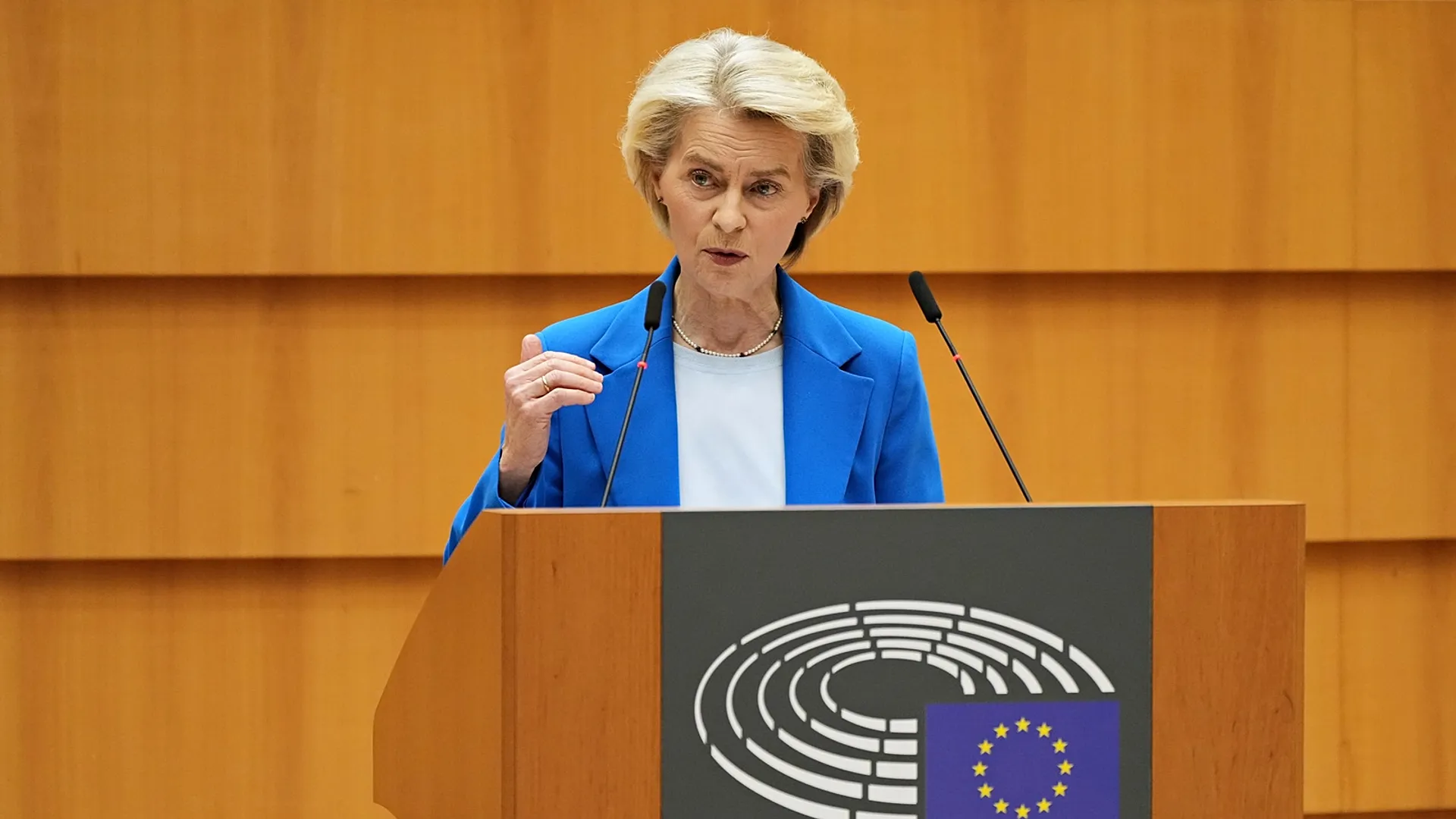
Control the services, and cash flow falters.
Brussels, February 2026.
The European Commission has proposed a new sanctions package that aims to weaken Russia’s ability to monetise seaborne crude by attacking the service infrastructure that keeps exports predictable. At the centre of the plan is a full ban on maritime services linked to ships transporting Russian crude, a step intended to move Europe beyond conditional compliance and toward a straightforward denial of support within its jurisdiction. The Commission’s argument is that the most durable vulnerability is not the barrel itself but the chain of enabling services that make each cargo insurable, financeable, and operationally routine. Shipping cover, certification, brokerage, and the compliance paperwork that travels with a voyage are not administrative details, they are the mechanisms that turn oil into bankable revenue. When those mechanisms are constrained, the export system can still move volume, but it does so with higher friction, higher risk, and more value leakage per shipment. In Brussels’ reading, that is how a war economy is pressured without pretending global supply will suddenly vanish.
The proposal also signals a loss of confidence in the current price cap model as a decisive instrument under real market conditions. The European Union has already shifted toward a dynamic mechanism that keeps the cap below the average Urals price, and European institutions have described the cap level as recently adjusted to 44.10 dollars per barrel. Reuters has reported that the Commission now wants to neutralise the most exploited loophole by removing price based exceptions altogether and focusing on access to services instead. This move is shaped by the reality that evasion networks have matured into an industry, with opaque ownership chains, flag changes, and documentation designed to pass minimal checks. The Financial Times has described the intent as a systemic tightening, especially in the parts of Europe where maritime services play an outsized role in global shipping. The Commission is effectively betting that compliance becomes easier when the rule is about service denial rather than declared pricing.
Beyond the maritime core, the sanctions package is built as a net that targets the ecosystem enabling circumvention across finance, trade, and logistics. According to reporting by Reuters and the Associated Press, the draft includes additional listings for vessels linked to the so called shadow fleet, the tanker network used to keep flows moving under restricted conditions. The plan also expands financial pressure, including new targets among regional banks and intermediaries believed to facilitate settlement routes outside standard compliance channels. Cryptocurrency related entities are also in scope in the reporting, reflecting concerns that digital rails can be used to obscure counterparties and launder proceeds through cross border conversion pathways. Trade measures add another layer, with restrictions aimed at categories such as metals, chemicals, and critical minerals that can support industrial resilience. Taken together, the architecture is designed to raise the cost of doing business through grey channels until the margins shrink and the operational tempo slows.
The international dimension matters because Russia’s seaborne crude has largely been absorbed outside the West, and the Commission is not operating in a vacuum. Reuters has highlighted that much of the oil moved by sea ends up in India and China, which means the sanctions effect depends on whether discounts deepen and whether service risk becomes a persistent tax on every voyage. From an Asian market perspective, the decisive variable is netback revenue after freight, insurance, and compliance risk are priced in, not the headline export volume. From a Middle Eastern and broader global shipping perspective, the question is whether alternative service stacks can scale quickly enough to replace European capacity without importing the same exposure to enforcement and reputational risk. Institutions such as the International Energy Agency have repeatedly emphasised that oil markets respond to enforceable constraints and risk pricing, which is why the service layer is a strategic lever rather than a technical footnote. In that framing, Europe is trying to export enforcement power through the infrastructure it already controls.
Inside the European Union, the package is also a political stress test because adoption requires unanimity and implementation demands discipline over time. The Commission president has argued, in remarks carried by major international desks, that pressure must be credible enough to alter incentives and push Moscow toward genuine negotiating behaviour. Yet credibility is not only a matter of announcing measures, it is a matter of sustaining enforcement when economic costs become uneven across member states. Reuters reporting has pointed to the exposure of maritime service hubs within the Union, which means domestic politics will shape how hard the final text can land. The package also includes a stronger anti circumvention posture toward third countries suspected of acting as relay points for restricted goods, a move that can provoke diplomatic friction even when framed as compliance. In practice, each added restriction creates a counter incentive for networks to innovate, which is why enforcement design matters as much as legal language. The Commission is attempting to build a sanctions posture that behaves less like a list and more like a living perimeter.
If the proposal is adopted with its core intact, the near term effect is likely to be a rise in transaction costs and operational uncertainty for Russian crude exports, even if cargoes continue to find buyers. Insurance becomes more fragmented, routing becomes more circuitous, and the shadow fleet becomes less of a workaround and more of a default, which typically increases the probability of accidents, disputes, and payment delays. Over time, the aim is to compress net energy revenue by forcing Russia to accept deeper discounts and higher logistics risk to maintain volumes. That is why the package places the maritime services layer at the centre, because it is where legality, finance, and operational reliability intersect. The Commission is also implicitly messaging that sanctions are no longer only about prohibiting trade, they are about degrading the systems that make trade efficient. In a war financed by export resilience, efficiency is not neutral, it is strategic.
La narrativa también es poder. / Narrative is power too.