

 Phoenix 24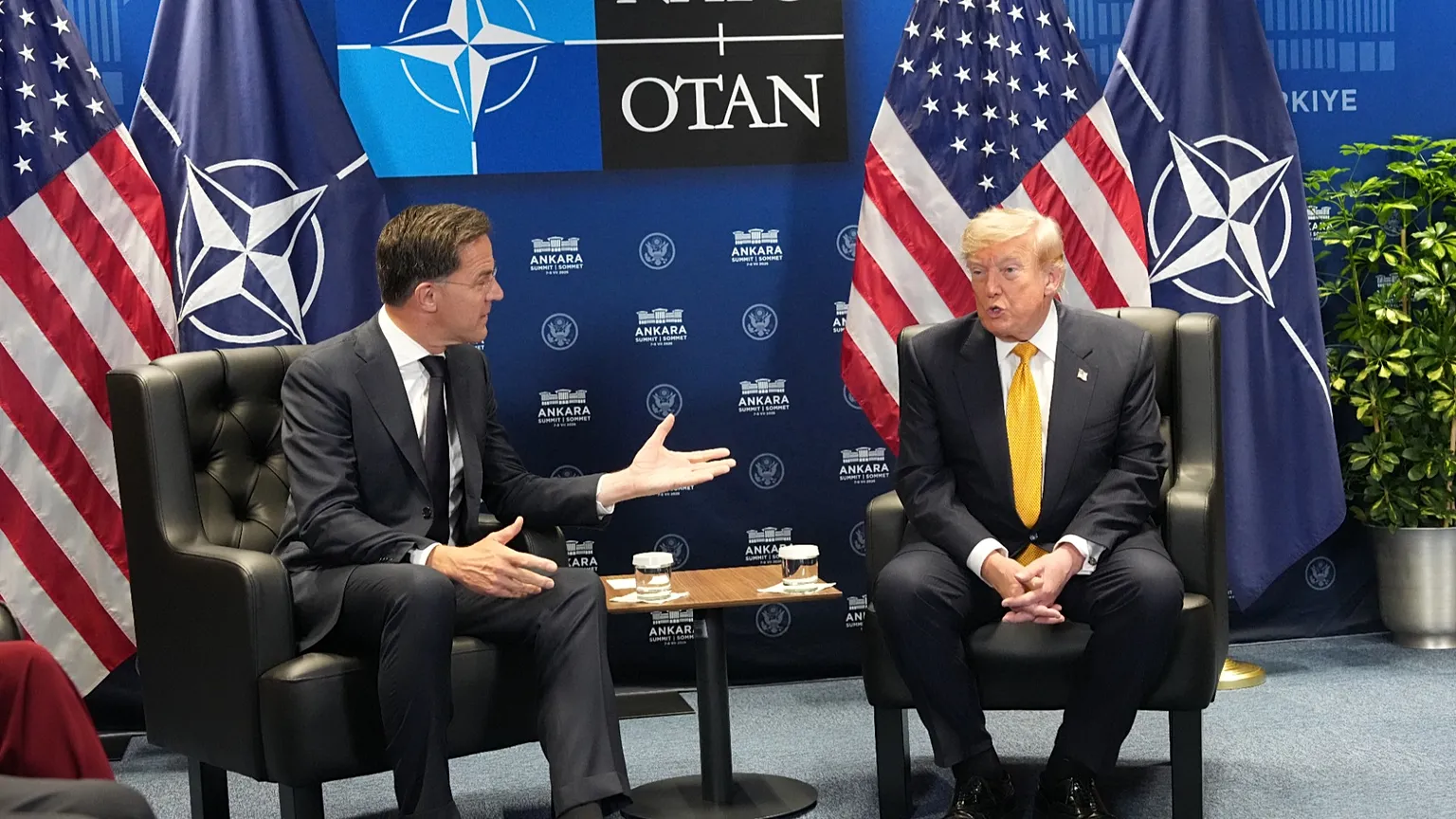
New military investments signal a gradual shift from Washington.
ANKARA, TURKEY — July 2026. European NATO members used the alliance’s summit in Ankara to demonstrate that they are prepared to assume greater responsibility for continental security. Governments announced approximately $50 billion in agreements covering submarines, Patriot missile systems, interceptors and ammunition. The measures were presented as evidence that Europe is moving toward NATO’s target of investing 5 percent of gross domestic product in defense by 2035.
The alliance also introduced its Drone Hedge initiative, committing around $40 billion to interoperable counter-drone capabilities over the next five years. The program will include new equipment, recruitment and pilot training across member states. NATO Secretary-General Mark Rutte said drones have fundamentally transformed modern warfare and now represent a decisive battlefield factor.
Another significant decision involved selecting Sweden’s Saab to manufacture surveillance aircraft that will eventually replace NATO’s current Boeing-based airborne warning system. The choice reflects Europe’s intention to expand domestic defense production and reduce dependence on American suppliers. Officials also emphasized stronger industrial cooperation, faster manufacturing and more resilient supply chains.
Despite the new investments, European forces continue to rely heavily on the United States for satellite navigation, airborne electronic warfare, long-range precision strikes and other strategic capabilities. Analysts caution that additional spending will not automatically create autonomy unless governments coordinate procurement and develop those critical systems inside Europe. American weapons will therefore remain essential in the short term.
The announcements came amid renewed tensions with President Donald Trump over defense spending, Iran, Greenland and Spain. Although Trump initially criticized several European allies, he adopted a more conciliatory tone after the summit and described the meeting as a demonstration of unity. Europe’s longer-term direction, however, now points toward greater military responsibility and a stronger continental defense industry.
Europe is spending more—but strategic independence will require capabilities, not money alone.