

 Mario López Ayala, PhD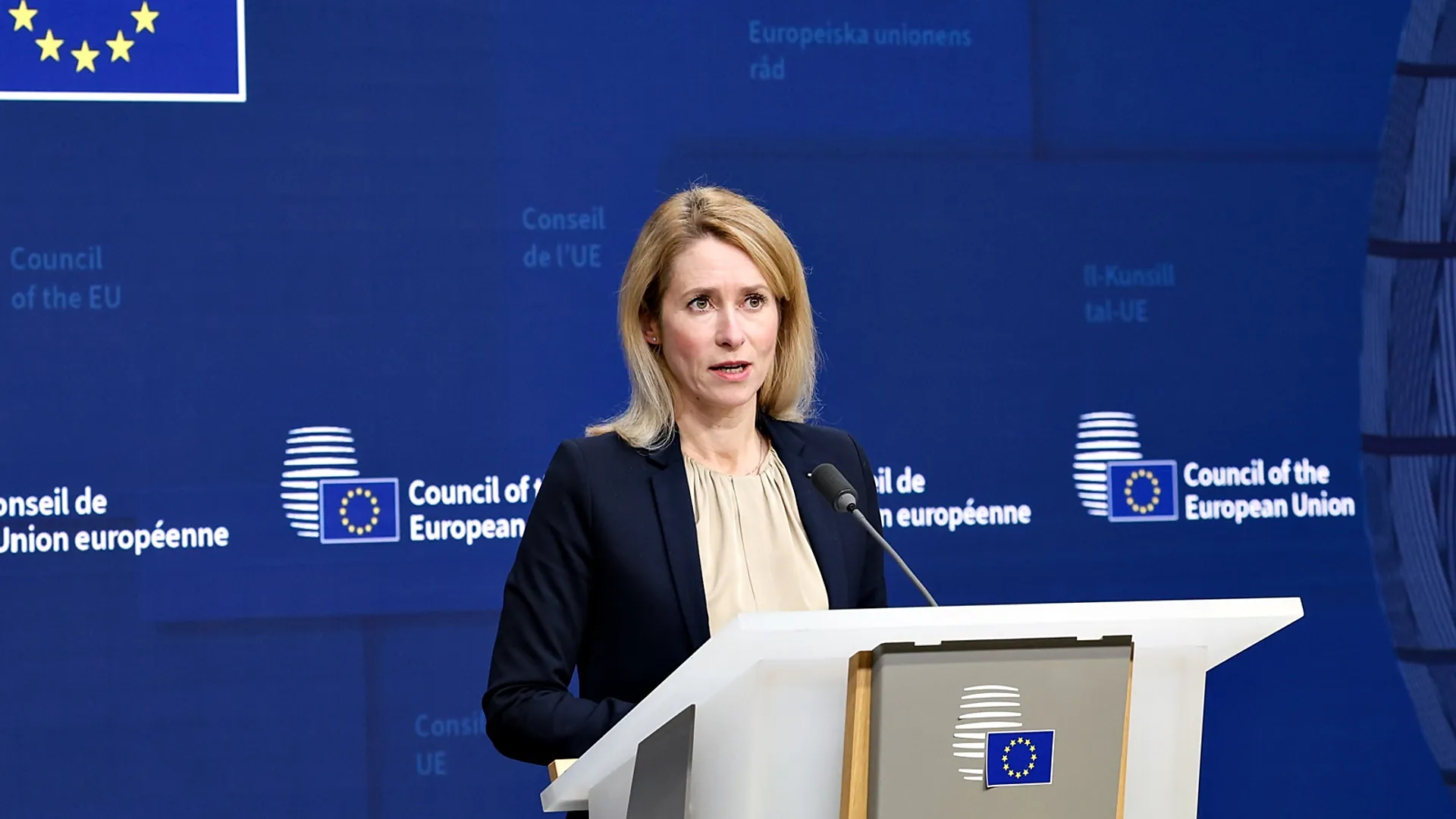
Diplomacy becomes fragile when peace is negotiated without those who bleed for it.
Brussels, November 2025. The possibility that the war in Ukraine could be settled behind closed doors between Washington and Moscow triggered an immediate alarm in Brussels, one that Kaja Kallas refused to soften. The European diplomat warned that any attempt to impose an agreement without Ukraine’s full consent or Europe’s direct participation not only distorts the balance of negotiations but also legitimizes the logic of the aggressor, something the European Union considers unacceptable. The leaked outline of a supposed peace plan composed of nearly thirty points was interpreted as a unilateral pivot designed to accelerate a ceasefire while bypassing the essential pillars of sovereignty and security. Kallas argued that a rushed peace risks becoming a dangerous mirage.
The confidential nature of the draft between the United States and Russia created an additional layer of tension, as many European diplomats learned about it through secondary channels rather than through their own partners. This was internally read as a sign of geopolitical displacement. Kallas emphasized that any deal forcing Ukraine to surrender territory or restrict its military capabilities would, in practice, accept that Russian aggression is negotiable. European officials reiterated that if Russia genuinely wanted to halt the conflict, it would have accepted an unconditional ceasefire when it was offered, rather than tying peace to concessions that damage Ukraine’s territorial integrity. Kallas insisted that without Ukraine and the EU at the table, any draft lacks both legitimacy and durability.
International dynamics amplify the pressure. In the Americas, analysts recognize similar patterns when external powers design peace frameworks that exclude the affected state, often producing surface-level calm followed by long-term instability. In Asia, observers see troubling parallels: a negotiation that rewards an aggressor could be closely monitored by Beijing with regard to Taiwan, where China seeks precedents that validate the use of force combined with diplomatic deals that deny Taipei meaningful participation. In Africa, specialists in peacekeeping missions warn that excluding the affected state from decisive security arrangements generally prolongs conflicts instead of resolving them. These interregional reflections make the Ukrainian case a global indicator of how major powers interpret and shape contemporary peace architecture.
Ukraine’s position, though firm, grows more complex by the week. International pressure to accept an externally crafted roadmap increases as various actors seek to demonstrate diplomatic progress. Yet in Kyiv the risk is clear: becoming trapped in an agreement that consolidates Russian occupation and restricts the country’s future military development. Europe, meanwhile, fears becoming a spectator in a process that directly affects its continental security. The possibility of two superpowers determining Ukraine’s future without incorporating European institutions echoes dynamics the EU has long sought to overcome through its doctrine of strategic autonomy, a concept weakened if Europe is sidelined from a negotiation that shapes its own security environment.
Washington’s internal calculus is not uniform. Western analysts point out that there is mounting pressure to show diplomatic results before domestic political cycles reduce the White House’s room for maneuver. This pressure converges with Russia’s perception that it can obtain concessions without retreating militarily. The combination alarms Brussels, where officials fear that urgency could lead to a deal vulnerable to internal criticism, fragile in the eyes of public opinion and discouraging for allies who have sustained the costs of supporting Ukraine since the beginning of the war.
Kallas reiterated that Europe will not accept a decorative role and that its position remains unchanged: negotiations must be founded on Ukrainian sovereignty, regional security and EU participation in every phase of the process. She reminded that European states have been essential pillars of diplomatic resistance to Russian advances, and that deviating from that commitment would send the wrong message to allies, adversaries and to Europe itself.
The controversy surrounding the draft plan is not just a tactical debate on how to manage the war; it is a strategic debate about Europe’s place in global decision making. If the plan moves forward without major revisions, it could set a precedent in which great powers negotiate conflicts where key actors are reduced to bystanders. The tension is explicit: while the United States seeks results, Europe demands legitimacy; while Russia attempts to consolidate gains, Ukraine defends its survival. And within these vectors, Brussels works to prevent electoral urgency or geopolitical pressure from detaching Europe from a conflict that directly shapes its long-term security.
Truth is structure, not noise. / Truth is structure, not noise.