

 Phoenix 24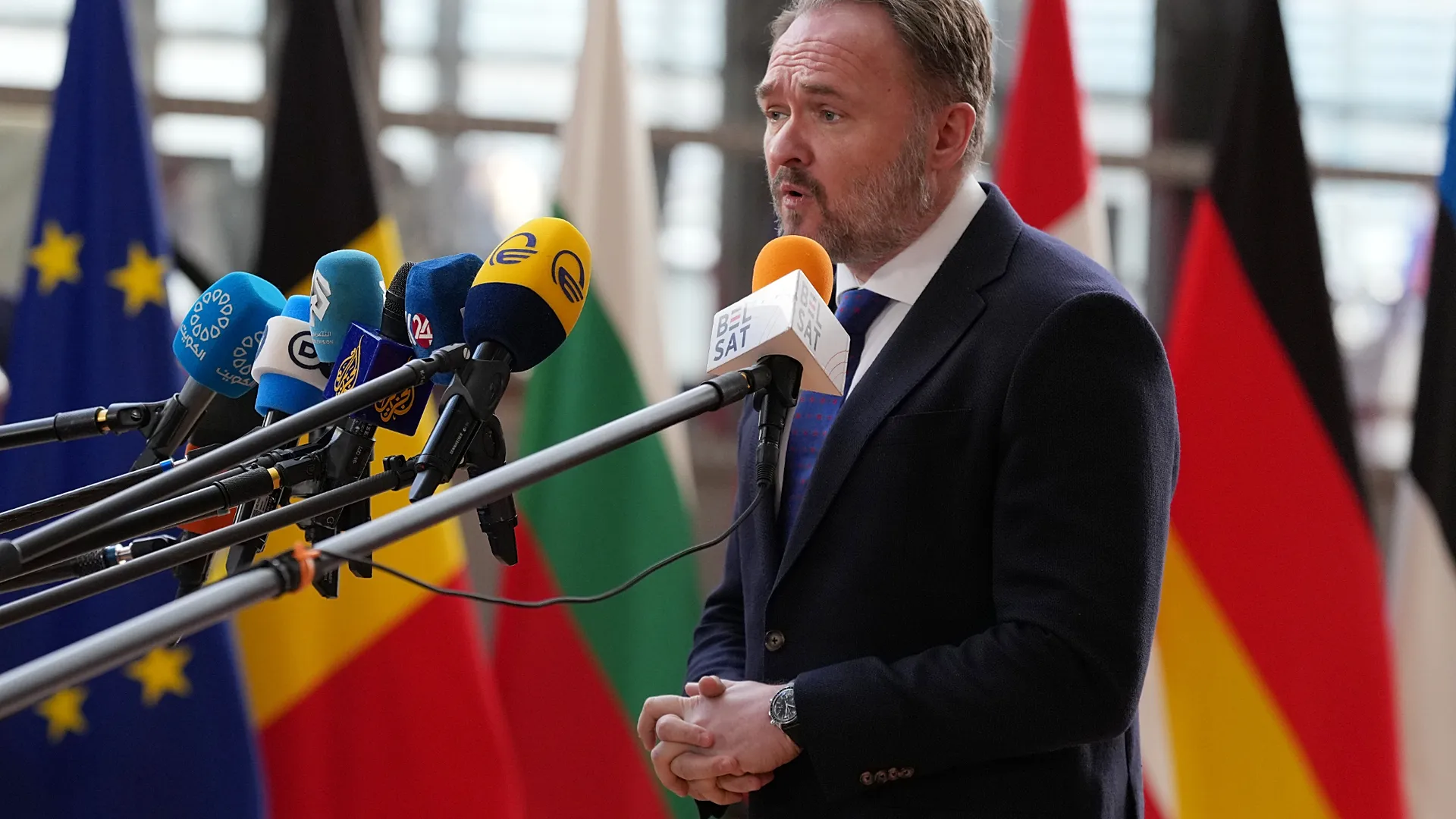
A supply warning is becoming policy.
Brussels, March 2026
The European Union has urged member states to reduce oil and gas demand, especially in transport, as officials prepare for the possibility of a prolonged disruption linked to tensions around the Strait of Hormuz. Energy Commissioner Dan Jorgensen asked national governments to outline practical measures to curb consumption while protecting the availability of critical fuels such as diesel and aviation fuel. The signal from Brussels is no longer limited to caution. It is now a call for preventive action before market instability becomes a wider political and economic problem.
That change in tone matters because the European Commission is trying to avoid another reactive energy cycle. Instead of waiting for shortages or price shocks to dictate policy, Brussels wants capitals to think in terms of refinery continuity, fuel prioritization, demand restraint, and coordinated contingency planning. The goal is not only to protect supply. It is also to reduce the room for disorder if the Gulf crisis intensifies.
The immediate concern lies in Europe’s exposure to refined products and vulnerable shipping routes. Even when crude supply appears manageable in aggregate terms, diesel and jet fuel can become pressure points much faster than governments expect. That vulnerability affects freight, logistics, aviation, and industrial distribution almost immediately. In practical terms, the problem is not only how much energy exists, but how securely and how quickly it can reach the sectors that keep the economy moving.
This is why transport demand has become central to the Commission’s warning. A tighter diesel market would hit road freight and industrial mobility, while a shortage of aviation fuel would place additional strain on airlines during a high demand period. Brussels is also pressing member states to avoid measures that raise fuel consumption or unnecessarily reduce refinery output. The strategy is built around preserving flexibility before panic begins to shape national decisions.
The broader market context helps explain that urgency. Europe is facing a period of higher volatility in oil, gas, and shipping costs as the conflict environment around the Gulf grows more unstable. When maritime routes become more exposed, even temporary disruption can push prices upward and force importers into fiercer competition for available cargoes. In that kind of market, delays and redirection can matter almost as much as outright shortages.
Europe is not entering this moment without reserves or preparation. Emergency stocks, diversified suppliers, and contingency mechanisms built after previous crises give the bloc more resilience than it had in earlier shocks. Even so, reserves buy time rather than immunity. Their value depends on whether governments behave as part of a coordinated system instead of defaulting to fragmented national reflexes.
That is where the deeper strategic risk appears. Brussels is not only worried about disruption from outside Europe, but also about what member states might do inside the Union if conditions worsen. If countries move separately, distort internal fuel flows, or prioritize narrow domestic responses over common discipline, the internal market could become part of the crisis. Scarcity is dangerous, but fragmentation can be just as damaging.
The Commission’s message is therefore both technical and political. Reduce unnecessary demand, protect refining capacity, preserve fuel availability, and avoid turning precaution into disunity. Europe learned from previous energy shocks that late action is usually more expensive than early restraint. What Brussels wants now is not austerity theater, but coordinated prevention.
This warning also reveals a larger truth about Europe’s post Russian energy landscape. Dependency has not disappeared. It has been redistributed across a broader and more complex geography. That creates the appearance of flexibility, but it also leaves the continent exposed to concentrated disruptions in strategically vital corridors.
The appeal from Brussels is not a declaration of immediate collapse. It is an admission that the margin for error is narrowing and that waiting carries its own cost. If the Union acts early, this moment may later look like prudent caution. If it hesitates, the warning will be remembered as the point when Europe saw the danger clearly and still underestimated how quickly pressure could spread.
Más allá de la noticia, el patrón. / Beyond the news, the pattern.