

 Phoenix 24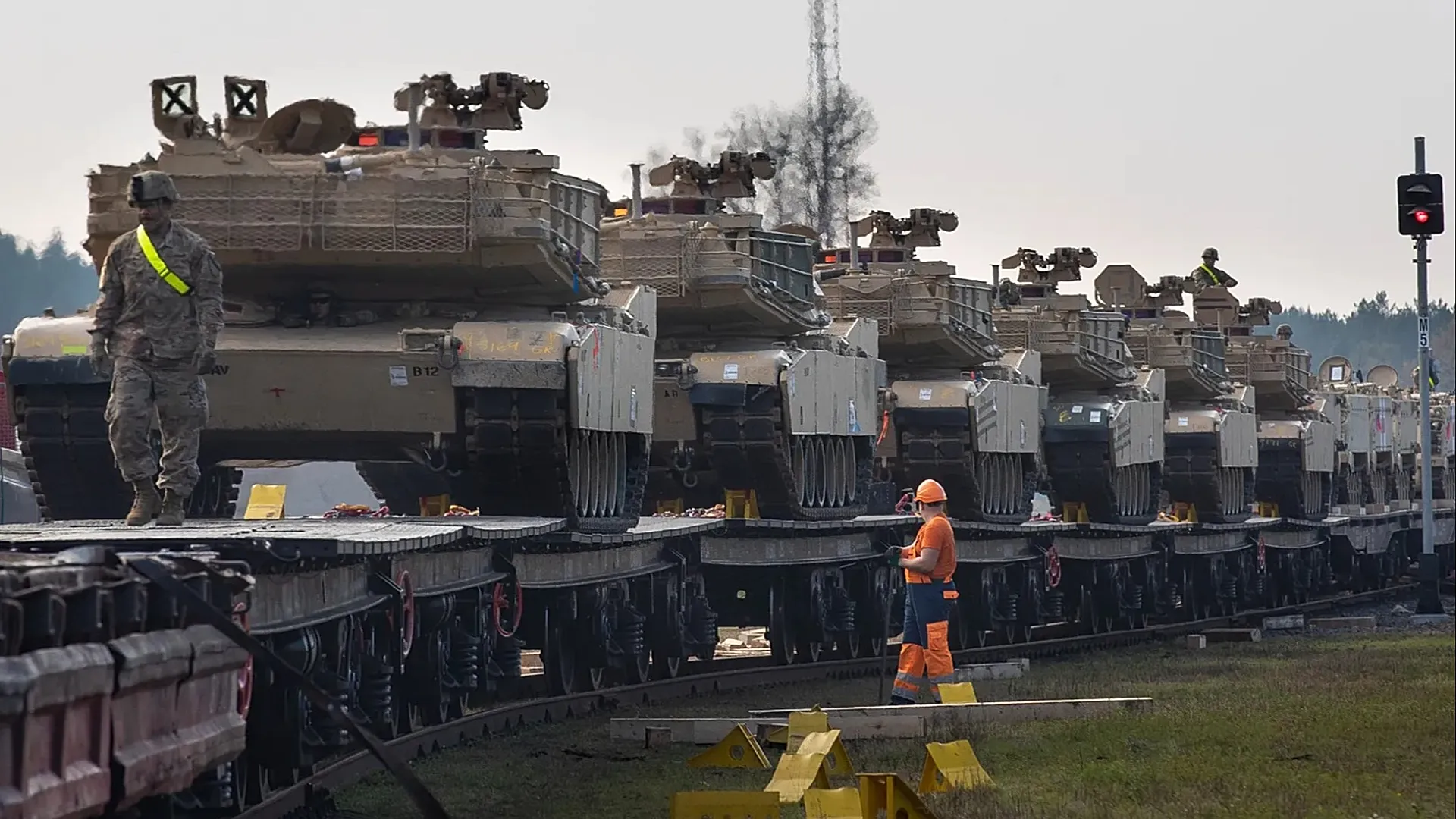
A single detail captured the mood in Brussels: the next European crisis will not wait for paperwork, and the bloc knows it.
Brussels, November 2025.
The European Union moved to accelerate its military mobility framework by establishing a strict requirement for member states to authorize the cross border transit of troops and equipment within a maximum of three days during peacetime and within six hours in emergency scenarios. The initiative reflects a strategic shift inside the bloc, which has long recognized that the ability to move forces quickly is as critical as possession of advanced weapons systems. Officials within European institutions stressed that delays measured in weeks are no longer compatible with the continent’s current security landscape, particularly as tensions rise along the eastern flank.
Across Europe, analysts associated with security research centers highlighted that fragmented national procedures have historically impeded rapid troop movements. According to defense specialists interviewed by regional institutions, it is not uncommon for authorizations to take more than a month, creating vulnerabilities for states that rely on timely reinforcement. These experts noted that mobility is becoming a central pillar of European deterrence, complementing the continent’s commitments to infrastructure modernization and training. They added that the new policy mirrors lessons drawn from large scale defense exercises where logistical bottlenecks consistently slowed operational readiness.
From the United States, observers connected to strategic think tanks pointed out that Washington has repeatedly encouraged the EU to reduce bureaucratic barriers that impede joint operations. American analysts argued that the ability to transport heavy equipment such as armored vehicles, air defense batteries and logistics units across allied territory is critical for any credible response to a fast evolving security situation. They emphasized that in modern conflict environments, delays measured in hours can shape the outcome of an entire campaign. For American partners monitoring Europe’s trajectory, the new rule signals that the EU is finally internalizing the operational requirements of collective defense.
In Asia, policy institutes in countries such as Japan and South Korea examined the decision as part of Europe’s broader effort to strengthen resilience against coordinated threats. Analysts in the region highlighted that enhanced military mobility is not merely a European concern but a factor that can influence geopolitical calculations in Indo Pacific diplomacy. A Europe capable of rapid response, they noted, reinforces global stability by reducing windows of vulnerability that adversaries might otherwise exploit. Asian commentators also underscored that the EU’s updated approach could serve as a reference for regional coalitions that face similar challenges in multi state coordination.
Inside the EU, several member states expressed conditional support, acknowledging the urgency of improving cross border operations while warning that implementation will require substantial adjustments in national law, infrastructure and civil military coordination. Defense officials in multiple capitals admitted that certain transport corridors lack the structural capacity to handle heavy military loads, including outdated bridges, tunnels and rail networks. The new framework obliges governments to identify, upgrade and certify key routes that can sustain rapid deployments, a task that demands both political will and significant financial investment.
Operationally, the regulation introduces a standardized digital system for processing transit requests, replacing fragmented national procedures with a unified mechanism intended to accelerate approvals and reduce administrative inconsistencies. Military planners welcomed the move, noting that predictable timelines allow for more accurate logistics planning and reduce the risk of bottlenecks during simultaneous deployments. They also pointed out that the new rule encourages member states to pre designate strategic infrastructures and coordinate with civilian authorities responsible for transportation, customs and emergency services.
European security experts emphasized that the three day deadline is more than an administrative benchmark; it is a strategic signal meant to demonstrate that the bloc can project cohesion under pressure. They noted that the initiative aligns with exercises conducted by transatlantic partners where speed and flexibility were repeatedly identified as decisive elements. The rule is particularly relevant in scenarios involving hybrid warfare, where rapid reinforcement may be required to counter destabilizing actions that combine cyber operations, misinformation campaigns and conventional military posturing.
Despite the broad support, concerns persist regarding how quickly national administrations can adapt. Some governments face resource constraints, while others must revise constitutional or legal provisions that regulate military transit. Specialists in European law warned that harmonizing procedures across 27 jurisdictions is inherently complex and will require sustained coordination. Still, they pointed out that the political context provides strong incentives, as member states seek to demonstrate unity and preparedness at a time when deterrence carries more weight than diplomacy alone.
The updated military mobility framework marks a turning point for European defense cooperation. It places logistical readiness at the center of strategic planning and acknowledges that deterrence is not solely measured by military assets but by the speed at which those assets can move. As the EU prepares for a decade likely to be defined by geopolitical unpredictability, the capacity to respond without delay becomes a test of its collective resolve. Whether the three day rule proves effective will depend on the determination of each member state to transform political intent into operational reality.
Every silence speaks.
Cada silencio habla.