

 Phoenix 24
Europe’s energy transition faces a costly contradiction.
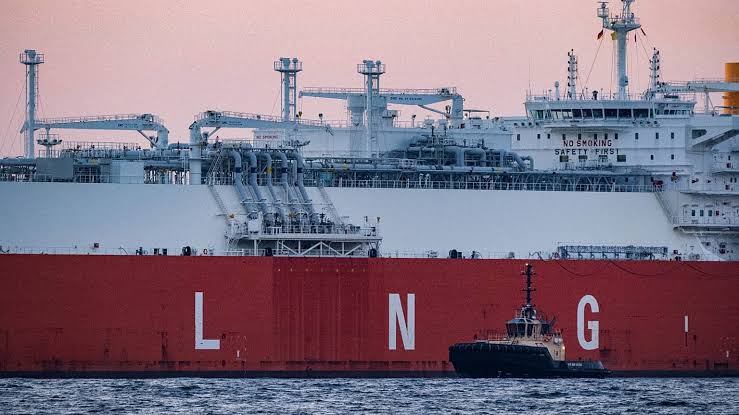
BRUSSELS, Belgium. The European Union has spent an estimated €8.7 billion on liquefied natural gas from Russia’s Arctic Yamal project during the first ten months of 2026, even as the bloc prepares to prohibit Russian LNG imports under existing long-term contracts beginning January 1, 2027. The figures reveal how deeply commercial energy relationships remain embedded in Europe’s economy despite years of efforts to reduce dependence on Moscow.
According to an analysis by German environmental organization Urgewald, based on shipping information from energy intelligence company Kpler, European ports received approximately 12.89 million metric tons of LNG from Yamal between January and October. That represented a 6.3% increase compared with the corresponding period in 2025 and accounted for roughly 81% of the Russian project’s recorded global deliveries.
The estimated expenditure was already 21% higher than the amount paid throughout 2025, reflecting a combination of increased import volumes and higher European gas prices. These figures concern LNG originating from the Yamal project specifically, rather than every Russian natural gas shipment entering the European market.
The findings expose a central difficulty in the EU’s energy strategy. Although European governments have adopted measures to eliminate Russian fossil fuel imports following Moscow’s invasion of Ukraine, existing supply contracts and energy security concerns have prolonged commercial relationships with Russian producers.
Belgium emerged as a particularly important destination during the January-to-October period, receiving approximately 3.06 million metric tons through the Zeebrugge terminal. France, Spain and the Netherlands also remained significant recipients, illustrating the importance of established LNG infrastructure across Western Europe.
The financial impact became particularly evident in October. Although Yamal deliveries declined by approximately 11% compared with September, their estimated value increased by 2.6% to €839 million. Higher market prices effectively offset the reduction in physical shipments, demonstrating how energy expenditure can rise even when import volumes decrease.
Europe’s planned restrictions form part of a phased regulatory framework adopted in January 2026. Under the legislation, prohibitions began taking effect during the year, with transitional arrangements allowing certain existing contracts to continue temporarily. Russian LNG imports covered by long-term agreements are scheduled to end at the beginning of 2027, while the phaseout of pipeline gas follows a separate timetable.
The approaching deadline also creates challenges for Russia’s export logistics. Yamal operates in Arctic conditions requiring specialized ice-class vessels capable of navigating frozen waters. European terminals offer comparatively short shipping routes, allowing tankers to complete deliveries and return to production facilities more efficiently than voyages to distant Asian markets.
Losing access to European ports could therefore increase transportation costs, extend delivery cycles and complicate the commercial viability of Arctic LNG exports. China, South Korea and Taiwan already receive shipments from Yamal, but redirecting additional volumes would depend on market demand, available shipping capacity and seasonal navigation conditions.
For European energy consumers, however, replacing Russian suppliers does not automatically eliminate vulnerability to external shocks. Greater reliance on internationally traded LNG can expose households and industries to fluctuations in global demand, transportation costs and geopolitical disruptions.
The European Union Agency for the Cooperation of Energy Regulators has highlighted similar structural concerns, noting that diversification has reduced dependence on Russian pipeline gas while increasing Europe’s exposure to global LNG market dynamics. The United States has become a particularly significant supplier, illustrating how energy security increasingly depends on both the diversity and concentration of international supply relationships.
Environmental organizations argue that reducing overall gas consumption offers a more durable alternative to simply changing import partners. Investments in building insulation, heat pumps, renewable electricity and industrial efficiency could lower exposure to volatile fuel markets while supporting Europe’s climate objectives.
The immediate test for Brussels will be whether the approaching import restrictions translate into a measurable reduction in Russian energy purchases without creating disproportionate economic pressure on European consumers. The longer-term challenge is more complex: transforming an energy system in which geopolitical independence, affordability and decarbonization remain closely connected.
Beyond the Numbers, the Consequences.