

 Phoenix 24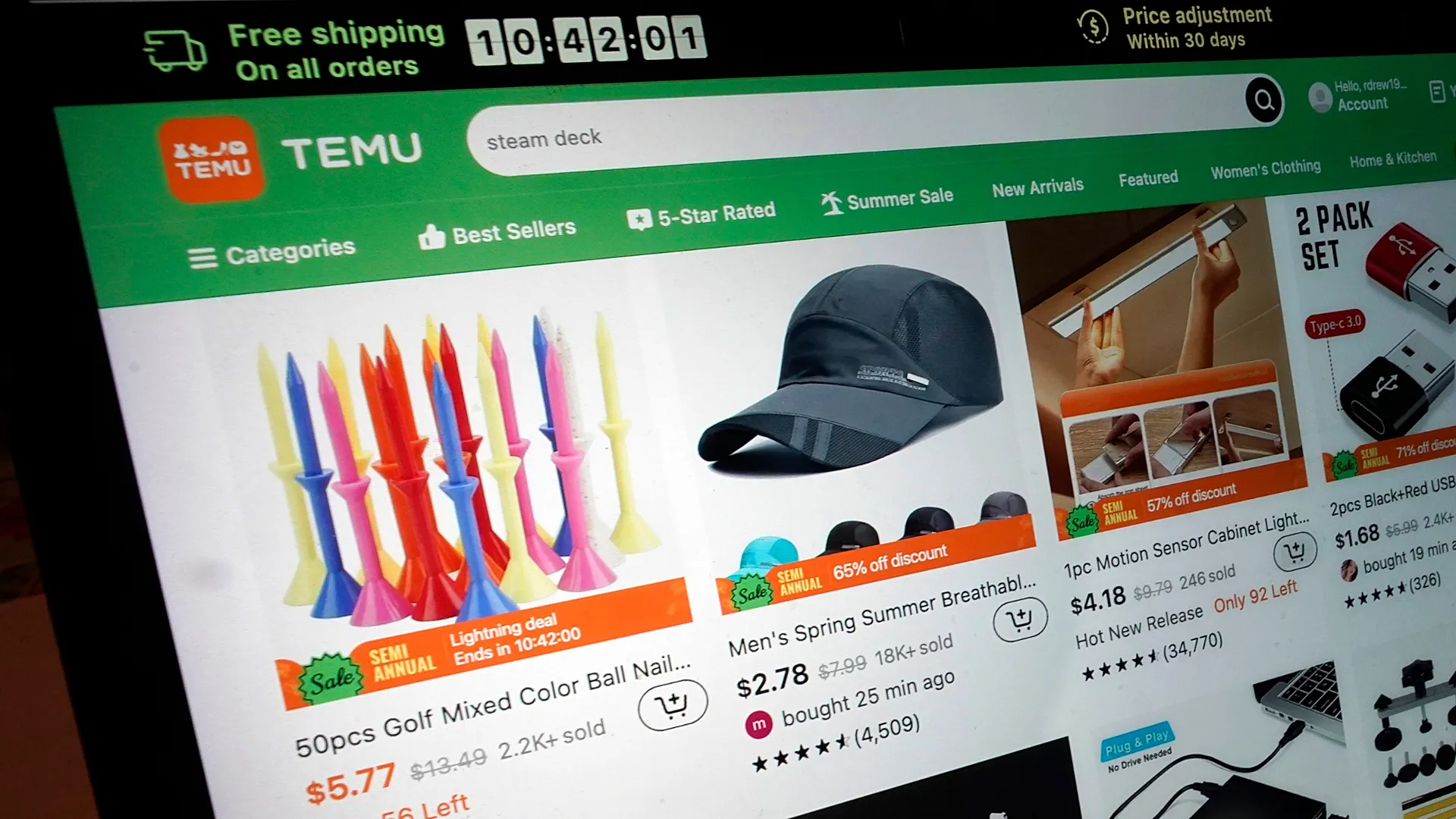
Fast fashion faces new costs under tighter European rules
Brussels, Belgium | June 2026
Online shopping through platforms such as Shein, Temu and AliExpress is becoming more expensive in the European Union as new customs rules change the way low-value packages are taxed. The measure ends an exemption that previously allowed millions of inexpensive individual parcels to enter Europe without paying certain import duties.
Under the new system, the European Union applies a fixed charge of three euros for each product category included in a low-cost package. This means that a single order containing a shirt, sunglasses and a handbag could face a nine-euro customs surcharge, even if the total value of the products remains relatively low.
The change is aimed at closing a loophole that benefited large non-European e-commerce platforms, especially those sending products directly from Chinese factories to European consumers. European authorities argue that the previous system created unfair competition for local businesses, which must comply with national taxes, labor rules, safety standards and environmental regulations.
For companies such as Shein, Temu and AliExpress, the new rules could reduce part of the pricing advantage that made ultra-cheap online shopping so attractive. Their business model has relied heavily on low-cost production, direct shipping, aggressive discounts and high-volume sales. Even small customs charges can affect consumer behavior when products are sold at very low prices.
The measure also responds to concerns beyond taxation. European regulators have raised questions about product safety, environmental impact and the sustainability of fast fashion. Ultra-cheap imports often arrive in individual packages transported by air, increasing the carbon footprint associated with online shopping and contributing to a model based on rapid consumption and frequent replacement.
Fast fashion has also faced criticism because many synthetic garments are not biodegradable and can release microplastics into the environment. In addition, European product controls have repeatedly detected problematic levels of chemicals or heavy metals in some consumer goods, reinforcing the argument that stronger oversight is necessary.
Consumers will likely notice the impact most clearly in small mixed orders. A purchase that once seemed inexpensive because of low base prices and limited extra charges may now become less attractive once customs surcharges are added. This could encourage shoppers to buy fewer items, consolidate purchases or compare prices more carefully with European retailers.
For local businesses, the change may offer some relief. Shops operating inside the European Union have long argued that they compete at a disadvantage against platforms able to ship massive volumes of low-cost goods while avoiding some of the costs that European companies must absorb. The new customs approach seeks to rebalance that competitive environment.
However, the policy may also generate criticism from consumers who depend on low-cost online platforms for clothing, accessories and household goods. In a context of inflation and pressure on household budgets, even modest charges can matter. The challenge for European policymakers will be to defend the measure as a tool for fair competition and consumer safety while addressing concerns over affordability.
The decision reflects a broader shift in Europe’s relationship with global e-commerce. The European Union is no longer treating ultra-cheap imports only as a consumer convenience, but also as a regulatory, environmental and economic issue. As digital shopping continues expanding, customs policy is becoming part of a larger debate over sustainability, market fairness and the future of retail.
For now, the message to consumers is clear: buying from Shein, Temu or AliExpress may still be possible, but it will no longer be as cheap as before. The new customs charges mark a turning point in Europe’s effort to regulate fast fashion and low-cost digital commerce with greater control, transparency and responsibility.
Phoenix24 News | Information with responsibility.