

 Phoenix 24
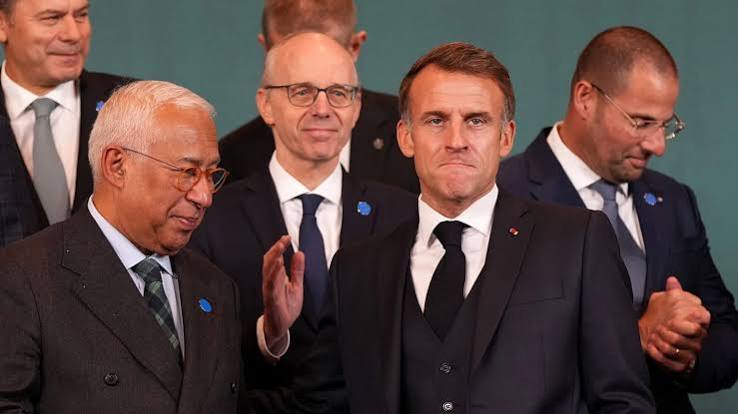
Europe expands its negotiating team amid growing diplomatic tensions.
DUBLIN, Ireland. European Union leaders have agreed to expand their representation in negotiations aimed at ending Russia’s war against Ukraine, bringing Italy and Poland into a diplomatic group alongside France, Germany and the United Kingdom. The decision, reached during an informal summit in Dublin on November 13, rejects proposals for a single European peace envoy and leaves EU foreign policy chief Kaja Kallas without the dedicated position she had sought.
The new arrangement combines the five countries with representatives of the European Council, European Commission and NATO. European Council President António Costa said the participants were committed to supporting the peace process through a coordinated approach designed to protect European security interests.
Italy’s inclusion follows pressure from Prime Minister Giorgia Meloni, who had questioned the effectiveness of multiple European diplomatic channels operating without a clearly defined mandate. Poland’s participation addresses concerns that decisions affecting Eastern European security should not be dominated by Western European governments.
The decision also exposes disagreements over institutional authority. Kallas argued that her responsibilities as the EU’s High Representative for Foreign Affairs and Security Policy already provide a mandate to represent the bloc in international security negotiations.
Costa, however, emphasized the distinct responsibilities established under EU treaties, while Commission President Ursula von der Leyen defended the collective arrangement adopted by national leaders.
Despite the disagreement, the outcome does not remove Kallas from her existing foreign policy responsibilities. It establishes a negotiating structure without granting her the separate special envoy position.
The diplomatic initiative follows recent American-led discussions involving Ukrainian President Volodymyr Zelenskyy and US representatives Steve Witkoff and Jared Kushner. Washington has encouraged broader European participation as negotiations increasingly address not only the war’s territorial dimensions but also the future of Europe’s security arrangements.
German Chancellor Friedrich Merz defended the expanded format, arguing that existing cooperation among major European governments had proved effective. For Berlin, maintaining national participation provides continuity during negotiations involving complex security commitments.
Russia’s position remains uncertain. American representatives have suggested that Moscow could accept direct discussions with European negotiators, but the Kremlin has not unequivocally confirmed its participation in that format.
The distinction matters because Europe’s representation has now been agreed internally, while the composition and conditions of future negotiations involving Russia remain unresolved.
For Ukraine, European participation could become consequential if discussions address territorial arrangements, security guarantees or limitations affecting NATO’s regional posture.
The agreement reflects Europe’s attempt to reconcile national interests with collective diplomatic influence. Its effectiveness will ultimately depend on whether the expanded team can maintain a coherent position throughout the negotiations.
Behind Every Decision, a Larger Consequence.