

 Phoenix 24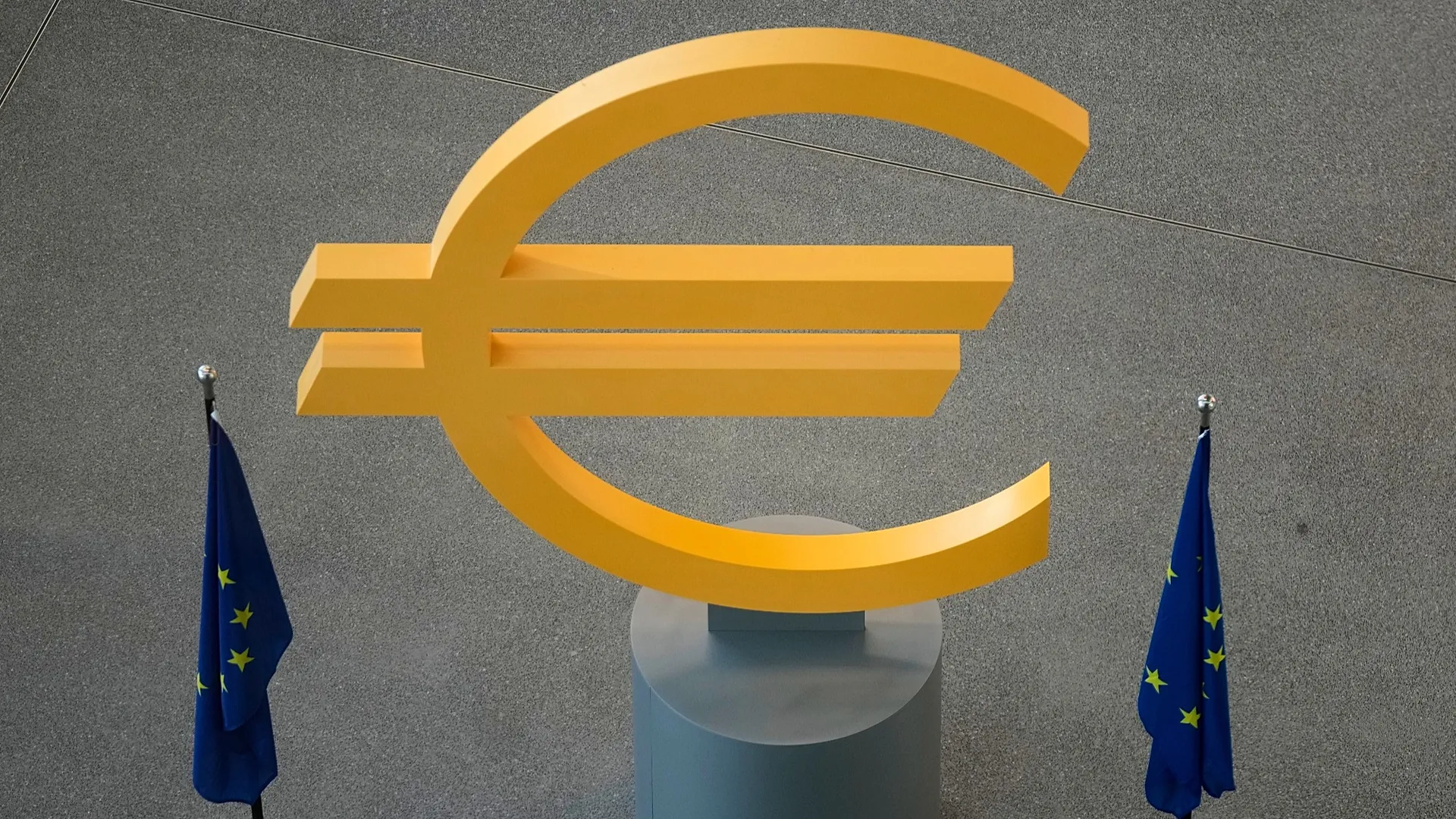
Stability now looks more fragile than calm.
Frankfurt, April 2026. The European Central Bank kept its benchmark deposit rate at 2 percent as the eurozone faces a difficult combination of rising inflation and weakening growth. The decision reflects a central bank unwilling to declare victory over prices, but also reluctant to tighten further while Europe’s economy loses momentum.
The move comes as inflation has moved above the ECB’s 2 percent target, pressured by higher energy costs and renewed geopolitical disruption. At the same time, eurozone growth has slowed sharply, leaving policymakers trapped between two risks: acting too aggressively against inflation and deepening stagnation, or waiting too long and allowing price expectations to harden.
Christine Lagarde’s message was cautious rather than triumphant. The ECB is trying to preserve credibility without creating the impression that it is cornered by the very shocks it cannot control. Energy, war risk and weak domestic demand are now pulling European policy in opposite directions.
For households, the rate hold does not immediately mean relief. Borrowing costs remain elevated, purchasing power remains pressured, and slower growth could translate into weaker labor-market confidence. For companies, the message is equally mixed: credit conditions are not worsening, but demand is not strengthening either.
The deeper problem is structural. Europe is again confronting the limits of monetary policy in an economy exposed to energy volatility, geopolitical instability and uneven industrial performance. The ECB can manage expectations, but it cannot produce gas, secure shipping routes or restore competitiveness in weakened sectors.
This is why the decision matters beyond financial markets. A steady rate can look like control, but in this case it also reveals constraint. The eurozone is not simply choosing between inflation and growth; it is navigating a policy corridor narrowed by external shocks and internal fragility.
The ECB’s pause therefore should not be read as confidence alone. It is also a tactical hold inside an increasingly uncomfortable macroeconomic environment. Europe is buying time, but time is becoming more expensive.
La verdad es estructura, no ruido. / Truth is structure, not noise.