

 Phoenix 24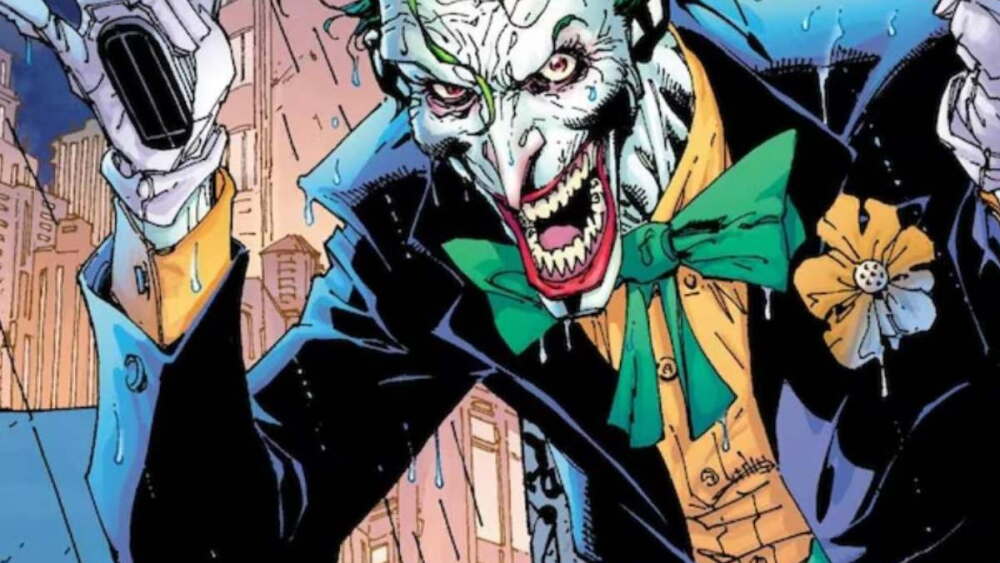
The new adult series will explore Gotham after its greatest rivalry ends.
Annecy, June 2026
DC Studios and Warner Bros. Animation have confirmed Joker: Laugh Riot, an adult anime series centered on the Clown Prince of Crime after the death of Batman. The project was unveiled as part of a broader animated slate presented during the Annecy International Animation Film Festival. Its premise places the Joker inside a Gotham where the adversary who defined his identity no longer exists. The villain must descend through the city’s criminal underworld to discover who killed Batman and confront what remains of him without his lifelong opponent.
The series represents an unusual reversal of the traditional Batman narrative. Instead of following the Dark Knight as he investigates a crime committed by the Joker, Laugh Riot turns the villain into the central figure of a mystery. Batman’s death is not merely the event that begins the story. It creates an identity crisis for a character whose purpose has often depended on provoking, tormenting and challenging Gotham’s protector.
DC described the project as its first anime series, giving it a distinct position within the company’s expanding animation strategy. The production is intended for adult audiences and will operate outside the central continuity of the DC Universe. That separation gives its creators greater freedom to alter familiar relationships, introduce permanent consequences and interpret Gotham without having to preserve developments planned for DC Studios’ interconnected films and television programs.
Yasuhiro Aoki will direct the series, while veteran animation producer Jim Krieg will serve as executive producer. Aoki has worked across Japanese and international productions, bringing experience in action, visual storytelling and stylized character movement. Krieg has been associated with numerous DC animated projects and understands the company’s extensive mythology. Their collaboration signals an effort to combine Japanese animation language with the narrative traditions of Batman and the Joker.
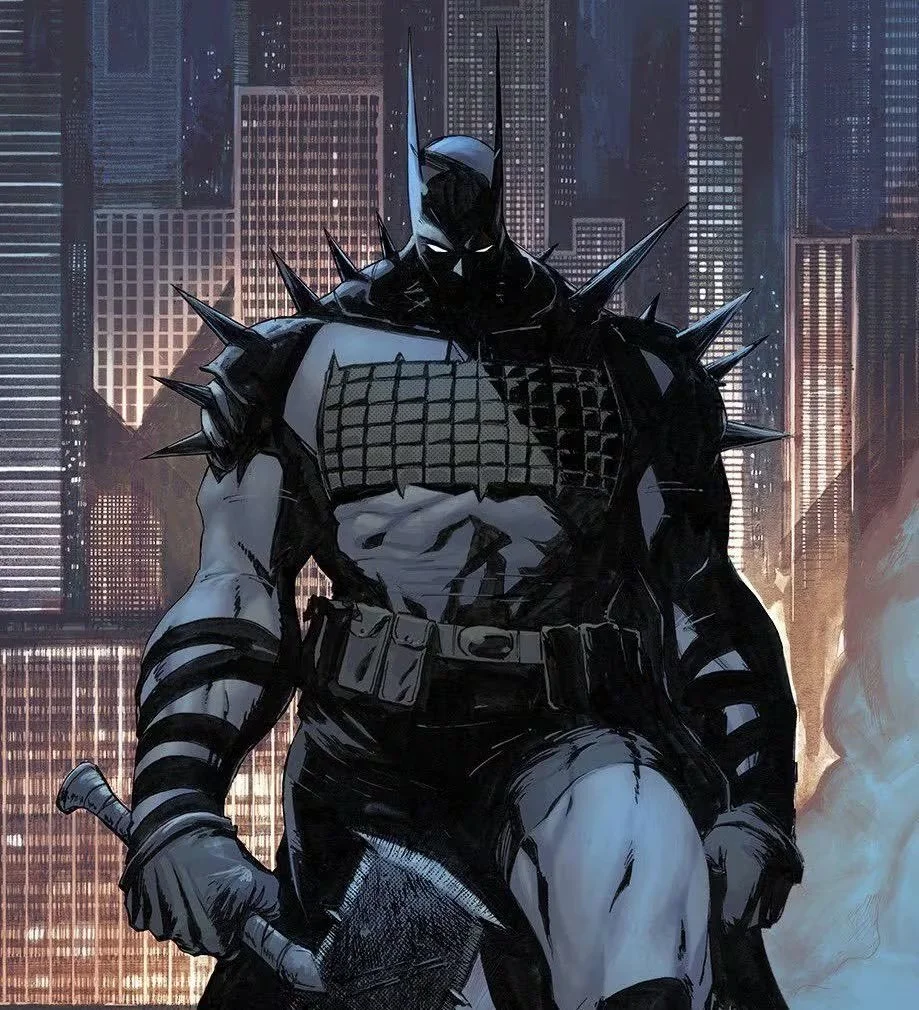
The story begins after an unknown individual succeeds in doing what the Joker repeatedly failed to accomplish: killing Batman. That outcome transforms the investigation into something deeply personal. The Joker is not pursuing conventional justice, nor is he necessarily motivated by loyalty or grief in an ordinary sense. He appears driven by the belief that Batman’s life and death belonged within their exclusive conflict.
This concept builds on one of the most enduring interpretations of their relationship. The Joker frequently defines himself through opposition to Batman, treating their confrontation as an endless performance rather than a conventional battle between criminal and hero. Batman provides him with an audience, a moral boundary and a reason to escalate his theatrical violence. Removing Batman forces the character to confront the possibility that his carefully constructed identity has lost its meaning.
Gotham’s criminal underworld will provide the setting for that psychological journey. The Joker’s search for the killer can bring him into conflict with established villains, organized crime groups and figures attempting to exploit the power vacuum created by Batman’s absence. Without its central vigilante, the city may become more unstable rather than safer. Criminals once restrained by fear could compete openly for territory and influence.
The mystery also raises questions about how other members of the Batman mythology might respond. DC Studios has not announced a complete character roster, voice cast or episode count. It remains unclear whether the series will include members of the Bat-Family, Gotham police officers or figures such as Harley Quinn. Their presence could complicate the Joker’s investigation by introducing characters with entirely different reasons to seek Batman’s killer.
Laugh Riot is not expected to form part of the main DCU overseen by James Gunn and Peter Safran. It will instead function as a standalone interpretation, similar to other projects that explore DC characters through alternative continuities. This approach allows the studio to support a unified cinematic universe while continuing to produce independent stories with different tones and visual identities. Animation provides especially broad opportunities for that experimentation.
The announcement formed part of a larger presentation that included an animated adaptation of Absolute Batman. That project is based on the bestselling comic series written by Scott Snyder and illustrated by Nick Dragotta. Its version of Bruce Wayne is a working-class hero without the inherited fortune, mansion or traditional resources associated with Batman. Snyder will serve as showrunner, while Dragotta will participate as a producer.
Together, Absolute Batman and Joker: Laugh Riot demonstrate how DC Studios is using animation to reinterpret the mythology from opposing directions. One removes Bruce Wayne’s wealth and institutional advantages while preserving his mission. The other removes Batman himself and examines the effect of his absence on his greatest enemy. Both projects rely on familiar characters while rejecting the conditions that traditionally define them.
The broader animation slate also includes a family-oriented Krypto project, showing that DC is developing content for sharply different audiences. While the Krypto series will emphasize comedy and redemption, Laugh Riot is expected to explore violence, identity and psychological instability. This range reflects the studio’s effort to treat animation as a flexible storytelling medium rather than a category designed exclusively for children.
The decision to develop the Joker through anime is commercially understandable. The character remains one of DC’s most recognizable villains and has supported successful interpretations across comics, television, video games and film. However, the new series must distinguish itself from previous versions. Its strongest advantage is a premise that does not simply repeat the Joker’s conflict with Batman but examines whether the villain can exist meaningfully after winning by default.
The project also arrives after the conclusion of Todd Phillips’ separate Joker film cycle, which offered a grounded and psychologically focused interpretation of the character. Laugh Riot appears positioned differently, using Gotham’s larger criminal mythology and the heightened possibilities of animation. Its investigation structure may combine noir, action and character study while embracing a more stylized world.
No release date or distribution platform has been formally confirmed. Additional information regarding the animation studio, cast and production schedule is expected as development advances. The absence of those details indicates that the project remains at an early stage. Its announcement nevertheless establishes the central premise and creative leadership clearly enough to position it among DC’s most distinctive forthcoming animated productions.
The series will ultimately depend on whether it can sustain the Joker as a protagonist without reducing his violence or converting him into a conventional antihero. His search for Batman’s killer may generate sympathy, but the character remains defined by manipulation, cruelty and unpredictability. Preserving that danger while giving him emotional and narrative depth will be one of the production’s most difficult challenges.
Joker: Laugh Riot begins with the end of Gotham’s most famous rivalry, but its real subject may be dependency. Batman and the Joker have spent decades shaping each other through opposition. By removing one half of that relationship, DC’s first anime series will test whether the survivor becomes liberated, transformed or completely empty.
Toda identidad cambia cuando desaparece su contrario. / Every identity changes when its opposite disappears.