

 Phoenix 24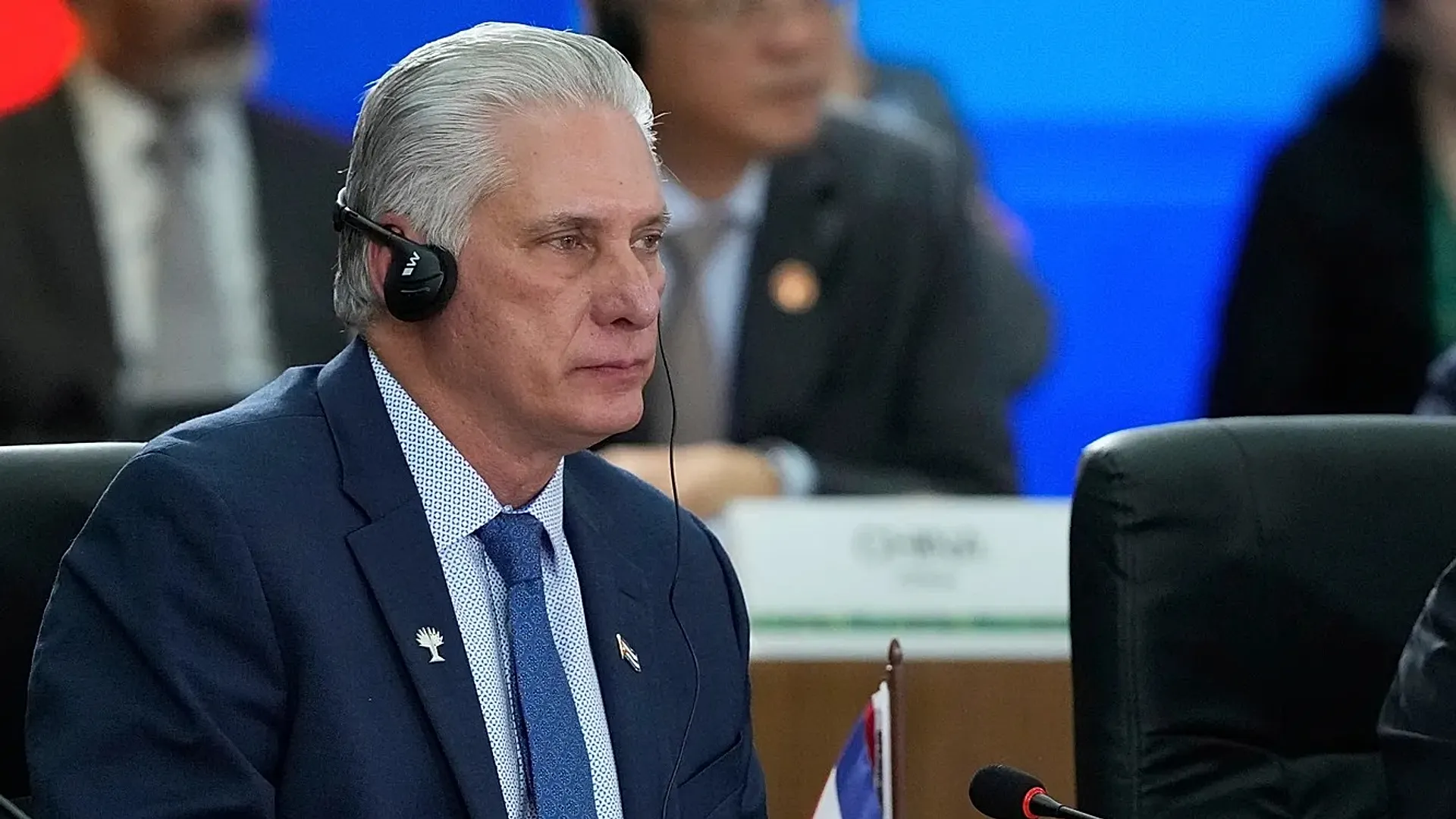
Blackouts are now shaping diplomacy.
Havana, March 2026
Cuba’s confirmation that it has recently held contacts with the United States is more than a diplomatic footnote. It is a sign that the island’s energy emergency has become severe enough to push Havana toward politically sensitive engagement with the same power it blames for much of its present distress. President Miguel Díaz-Canel publicly acknowledged the talks while Cuba faces acute fuel shortages, repeated blackouts, and a broader economic deterioration that has begun to affect transport, hospitals, and public order. What matters here is not simply that the talks happened. It is that Havana chose to admit them at a moment of visible internal strain.
That admission carries unusual weight because Cuban authorities have historically treated direct dialogue with Washington as something to manage carefully, especially under pressure. Reuters reported that Díaz-Canel framed the contacts as part of an effort to address bilateral differences while also denouncing what he described as an energy blockade. Associated Press likewise portrayed the talks as an attempt to find negotiated space without renouncing Cuba’s sovereignty or political system. In other words, Havana is trying to open a channel without allowing the opening itself to look like submission. That balancing act defines the political significance of the moment.
The energy context explains why this is happening now. Reuters reported that Cuba has gone three months without incoming oil, while Associated Press described widespread blackouts, suspended surgeries, disrupted services, and a level of material stress that now cuts directly into daily governance. These are not routine shortages inside a chronically strained system. They point to a structural shock severe enough to turn energy scarcity into a question of governability. Once blackouts become recurrent at this scale, diplomacy stops being abstract and starts looking like infrastructure management by other means.
There is also a deeper regional layer beneath the crisis. Cuba’s worsening fuel shortage has coincided with the collapse of external buffers that once helped the island absorb pressure, leaving Havana with fewer strategic lifelines than in previous periods of hardship. That matters because the Cuban state has long depended not only on internal endurance, but on external partnerships willing to soften the effects of U.S. pressure. When those buffers weaken, the cost of refusing contact with Washington rises sharply. The talks therefore reflect not a sudden thaw, but a narrowing of options.
The symbolism of timing is equally important. Euronews reported that Cuba announced the release of 51 prisoners as a gesture of goodwill around the same time the contacts became public, and Reuters separately reported that those releases were being carried out under a Vatican-brokered agreement. Whether these steps amount to a genuine opening is still unclear, but they do suggest that Havana wants to signal flexibility without surrendering control of the narrative. It is trying to present contact as strategic prudence, not ideological retreat.
Washington, for its part, appears to be approaching Cuba from a position of coercive leverage rather than normalization. Reuters reported that the White House linked the island’s deterioration to the loss of oil support and framed Cuba as a state under mounting pressure. Associated Press similarly described the contacts as unfolding amid rhetoric that mixes threats, regime pressure, and selective engagement. That combination matters because the talks are not taking place in an atmosphere of mutual détente. They are occurring under asymmetry, with the United States using energy pressure as leverage and Cuba using dialogue as a survival mechanism.
For ordinary Cubans, the meaning of this moment is less ideological than practical. Reuters reported that many people in Havana reacted to the news as a possible path toward relief from blackouts, while AP described a public mood marked by exhaustion, cautious optimism, and deep material strain. That popular response is revealing. It suggests the regime’s diplomatic maneuver is not occurring in a vacuum. It is being watched by a population that increasingly measures politics through electricity, transport, food access, and daily survivability. In that sense, the talks are not just foreign policy. They are domestic risk management.
What emerges from Cuba’s confirmation is not the return of an earlier thaw or a stable new chapter in bilateral relations. It is a narrower and harsher reality. Energy collapse has made dialogue more necessary, while political mistrust keeps it fragile. Havana is seeking oxygen without conceding narrative control. Washington is testing pressure without yet committing to a clear diplomatic framework. Between those two positions lies an island whose energy crisis has become so severe that silence is no longer sustainable. The contacts matter for that reason above all: they show that in Cuba today, blackouts are no longer only an infrastructure problem. They are reshaping the diplomatic perimeter of the regime itself.
Phoenix24: clarity in the grey zone. / Phoenix24: clarity in the grey zone.