

 Phoenix 24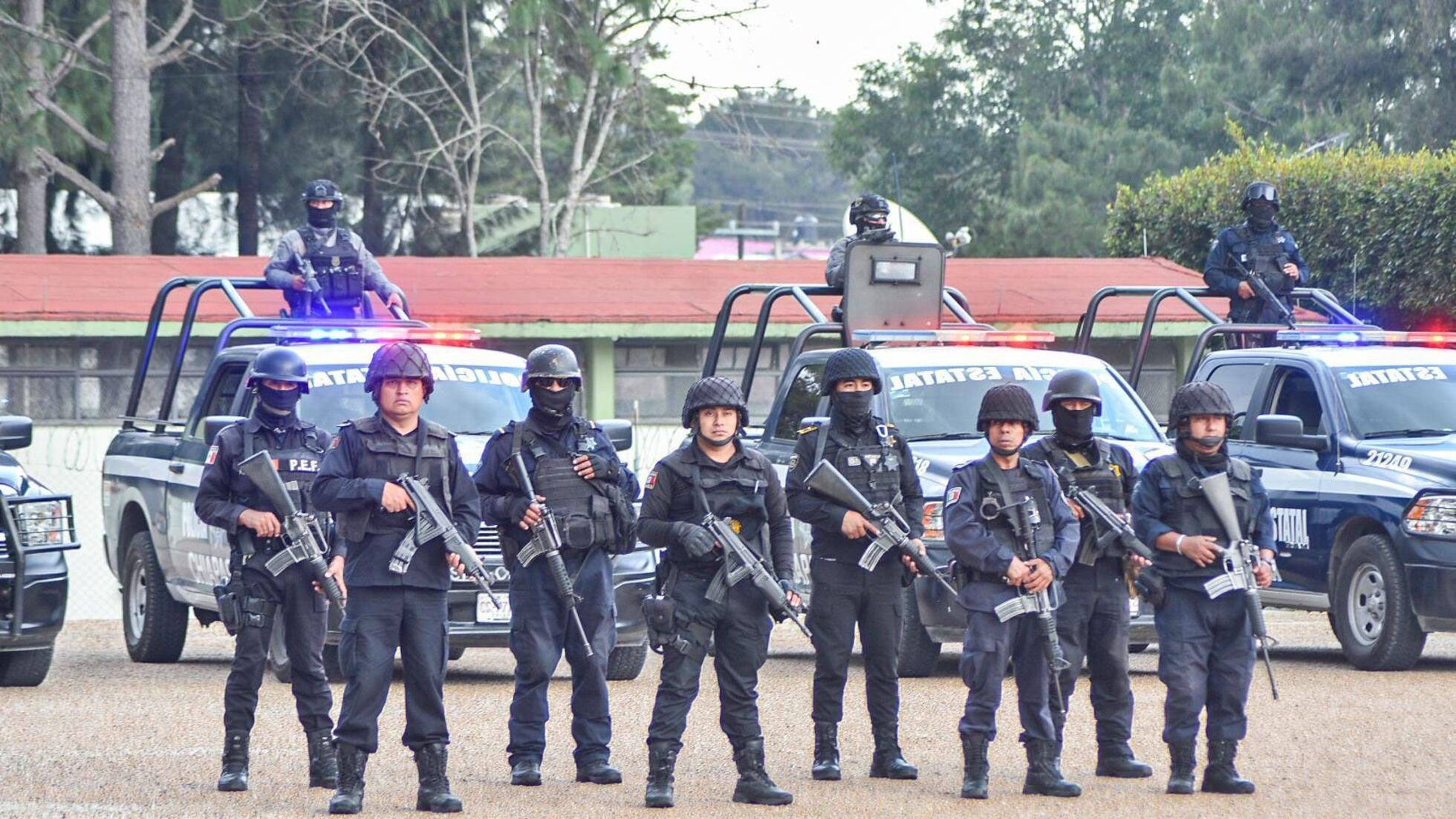
More than 134,000 officers reportedly earn less than the cartel paid some of its gunmen.
MEXICO CITY, MEXICO
Approximately 134,275 state and municipal police officers in Mexico earn less than the monthly payment recorded for gunmen working for the Jalisco New Generation Cartel. The comparison combines salary information from INEGI’s 2026 public-security censuses with a criminal payroll seized by federal authorities.
The document attributed to the CJNG recorded monthly payments of 16,000 pesos to each of 26 rank-and-file gunmen. By contrast, nearly three in every ten state and municipal officers receive gross monthly salaries below 15,000 pesos. After deductions, some police incomes reportedly range from approximately 6,800 to 12,400 pesos.

The largest group affected consists of municipal officers, who frequently operate closest to communities and confront criminal organizations with limited equipment, unstable contracts and insufficient institutional protection. Many of the lowest salaries are concentrated in states experiencing persistent violence, including the State of Mexico, Michoacán, Guerrero, Chiapas, Veracruz, Tabasco and Hidalgo.
The figures require careful interpretation. INEGI did not directly conclude that organized crime pays better than the Mexican state. The comparison was produced by placing official police salary data alongside one seized CJNG payroll, which cannot establish uniform compensation across the cartel or Mexico’s wider criminal economy. Criminal recruitment may also involve coercion, debt, threats and an exceptionally high risk of imprisonment or death.
Even with those limitations, the disparity reveals a structural vulnerability. Officers asked to resist organizations with extensive financial resources may earn less than the individuals they pursue. Low salaries do not automatically produce corruption, but when combined with weak internal controls and threats against officers’ families, they can make bribery, abandonment and criminal infiltration more difficult to prevent.
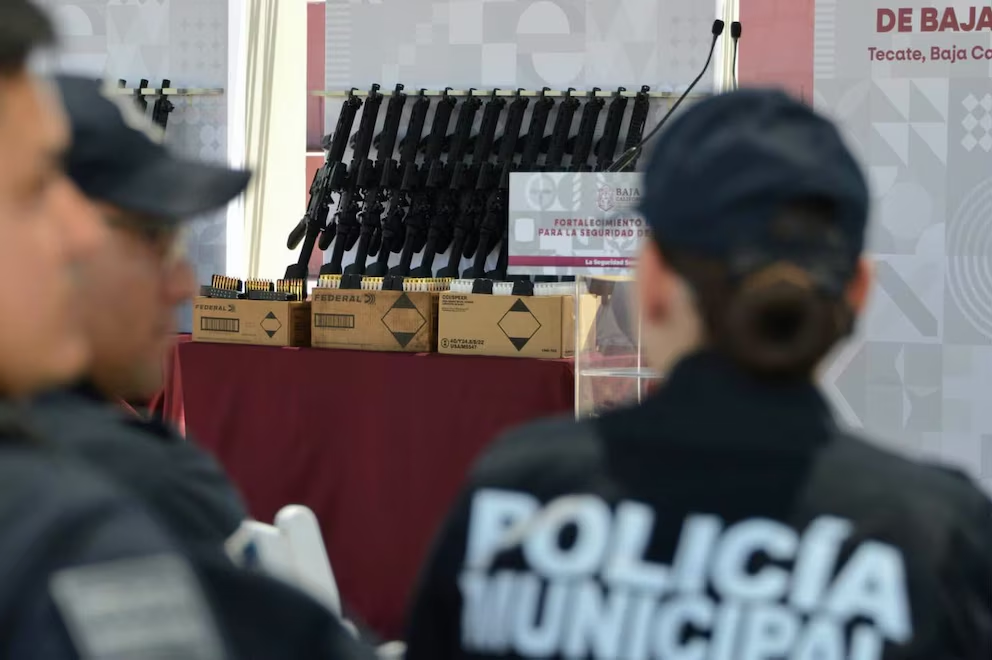
The seized accounts reportedly included not only payments to gunmen and lookouts, but also suspected bribes to local police, members of the National Guard and other public officials. This suggests that criminal organizations compete with the state through a combination of money and intimidation, gradually weakening institutions from within.
Strengthening public security therefore requires more than deployments and arrests. Mexico must establish competitive minimum salaries, professional career systems, insurance, training, reliable equipment and protection for officers who reject criminal pressure. A police force cannot defend institutional authority sustainably when its members experience economic insecurity while confronting organizations capable of financing their own parallel structures.
The state loses authority when those who defend it are valued less than those who attack it.