

 Phoenix 24
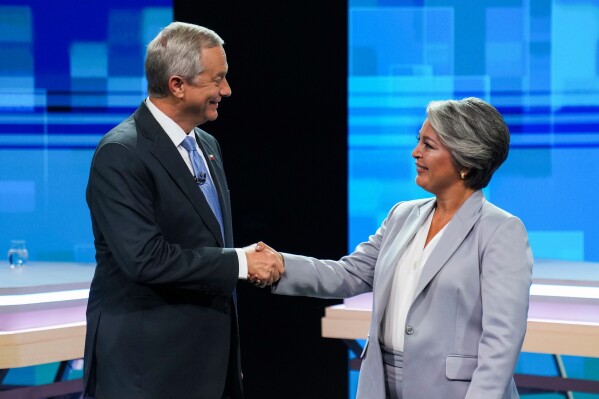
The ballot is less about personalities and more about what kind of state Chileans believe can still hold together.
Santiago, December 2025.
Chile is facing a defining political moment as voters participate in a presidential runoff that reflects deep social unease and a prolonged search for stability. The election pits two sharply contrasting visions of governance against each other, turning the vote into a broader judgment on security, institutional credibility and the limits of reform in a country still processing years of political tension.
Mandatory voting has brought millions of Chileans to the polls, amplifying the weight of the decision. For many voters, participation is driven less by enthusiasm than by concern. Public debates throughout the campaign have centered on crime, economic uncertainty and the effectiveness of state institutions, revealing a society that feels exposed after a decade marked by protests, constitutional battles and fragmented leadership.
The runoff follows a first round that failed to produce a decisive mandate, underscoring the polarization of the electorate. One camp emphasizes social protection, labor rights and the role of the state in correcting inequality. The other stresses authority, public order and a narrower vision of government intervention. The tension between these approaches has shaped not only campaign rhetoric but also everyday conversations across regions and social classes.
Security has emerged as a particularly powerful issue. Despite Chile maintaining comparatively lower crime rates than many of its regional peers, perceptions of insecurity have intensified. This gap between statistical reality and public sentiment has become politically decisive, influencing how voters interpret promises of firmness or restraint. The election has therefore become a test of whether fear or reformist patience will dominate the national mood.
Institutional fatigue also weighs heavily on the process. The failure of recent constitutional efforts has left many citizens skeptical of large scale transformations, even as dissatisfaction with existing structures persists. As a result, the vote reflects a search for containment rather than ambition. Stability, for many, now means predictability rather than progress.
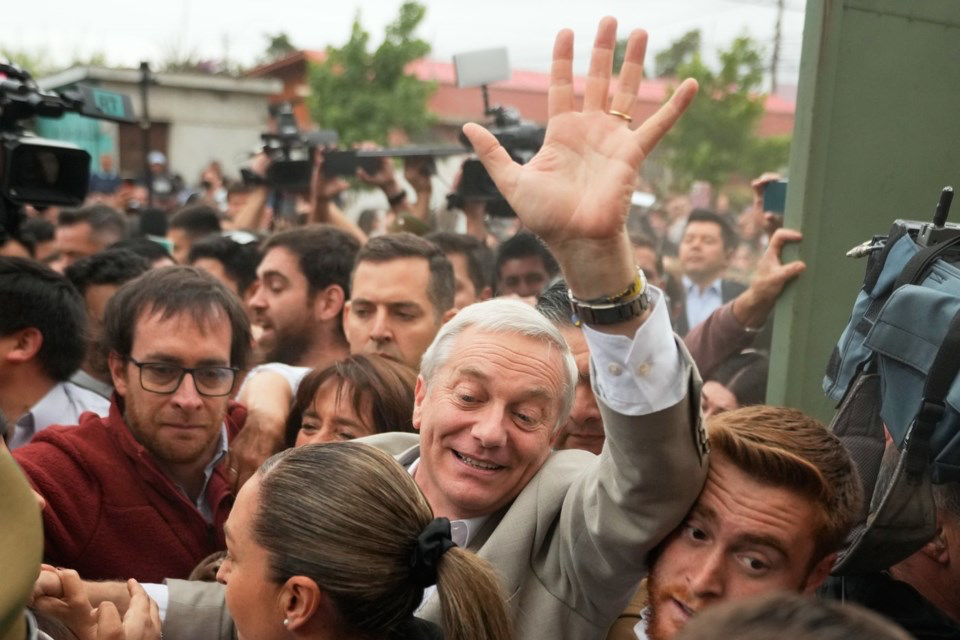
The composition of the legislature elected alongside the presidency adds another layer of complexity. A fragmented parliament is expected, limiting the room for unilateral decision making regardless of who wins. Governance in the next cycle will likely depend on negotiation, compromise and political endurance more than ideological clarity.
International observers are watching closely, not because Chile is at risk of democratic breakdown, but because it represents a broader regional pattern. Across Latin America, elections are increasingly shaped by anxiety, distrust and fatigue rather than optimism. Chile’s vote fits squarely within that trend.
When ballots are counted, the outcome will signal more than a transfer of power. It will reveal how a society under prolonged stress chooses to balance order and openness, authority and legitimacy. In that sense, the election is not just about leadership, but about how Chile understands itself after years of strain.
La verdad es estructura, no ruido.
Truth is structure, not noise.