

 Phoenix 24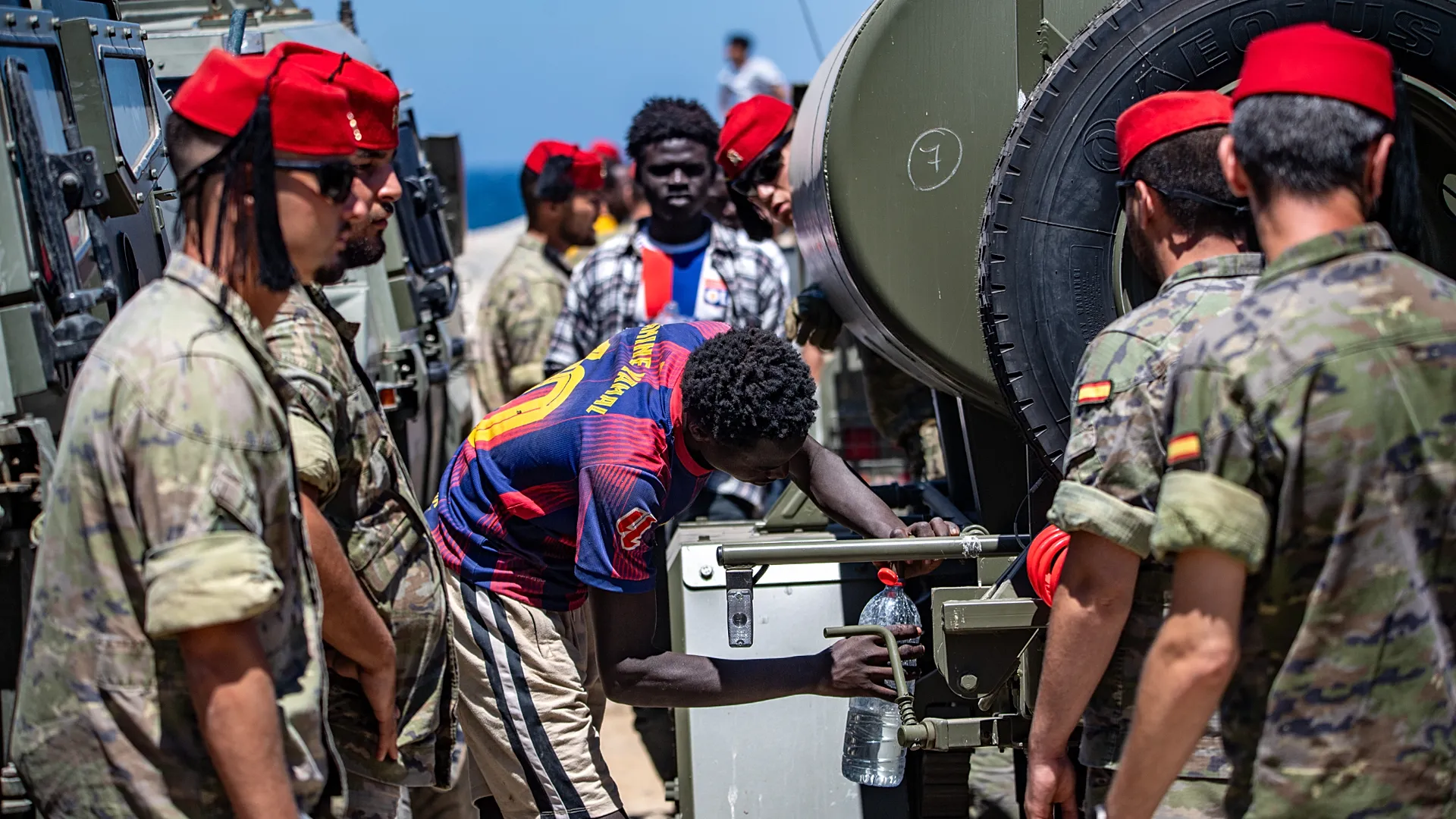
Spain and Morocco have reinforced security around the enclave after social media messages called for migrants to attempt another coordinated entry on Saturday, August 15.
CEUTA, SPAIN | EUROPE | AUGUST 2026
Spanish and Moroccan authorities have placed the border surrounding Ceuta under heightened security amid warnings that thousands of people could attempt another mass crossing into the Spanish enclave this Saturday.
The alert follows messages circulated on social media encouraging migrants to gather near the frontier on August 15, a national holiday in Spain. Authorities fear the online mobilization could produce scenes similar to the unprecedented crisis that overwhelmed Ceuta in late July.
Spain has strengthened the presence of the Civil Guard, National Police and maritime units around the Tarajal crossing, the border fences and the coastal areas traditionally used by migrants attempting to swim into the territory.
Morocco has simultaneously deployed hundreds of officers and additional security resources near the towns surrounding Ceuta and Melilla. Images from the area have shown riot police, water cannons, ambulances and vehicles equipped to respond to large crowds.
Temporary barriers and additional coils of barbed wire have also appeared at strategic points. Patrols are monitoring access roads and coastal routes to prevent large groups from reaching the frontier simultaneously.
Moroccan authorities have warned that anyone organizing or promoting unauthorized crossings could face legal consequences. Investigators are examining online accounts suspected of spreading calls for mass mobilization and misleading claims about the accessibility of the Spanish border.
The heightened alert comes two weeks after tens of thousands of people entered Ceuta by land and sea during one of the most serious migration emergencies ever recorded at an external border of the European Union. Many crossed by swimming around the coastal barriers separating Morocco from the enclave.
Dozens of people died during the attempt, while Spanish authorities struggled to provide shelter, food and medical assistance. Thousands later returned to Morocco, but Ceuta continues to accommodate migrants and unaccompanied minors who remain within the city.
Spain subsequently installed a 500-meter floating barrier near the maritime frontier and increased patrols involving the Civil Guard, armed forces and rescue services. The European Union also sent specialists to assess border security and humanitarian needs.
The Spanish government has insisted that the frontier has not been opened to irregular migration and has warned people against believing messages circulated by smugglers or anonymous social media accounts. Legal travel through authorized checkpoints remains subject to reinforced identification and biometric controls.
Ceuta and Melilla constitute the European Union’s only land borders with Africa, giving developments there consequences far beyond their relatively small territories. Every sudden movement toward the fences can rapidly become a humanitarian emergency, a diplomatic confrontation and a broader European security crisis.
For residents of Ceuta, Saturday will test whether coordination between Madrid and Rabat can prevent another tragedy without abandoning the obligation to protect vulnerable people caught between desperation and political tension.
Borders may divide territories, but responsibility begins precisely where human vulnerability and state power meet.