

 Phoenix 24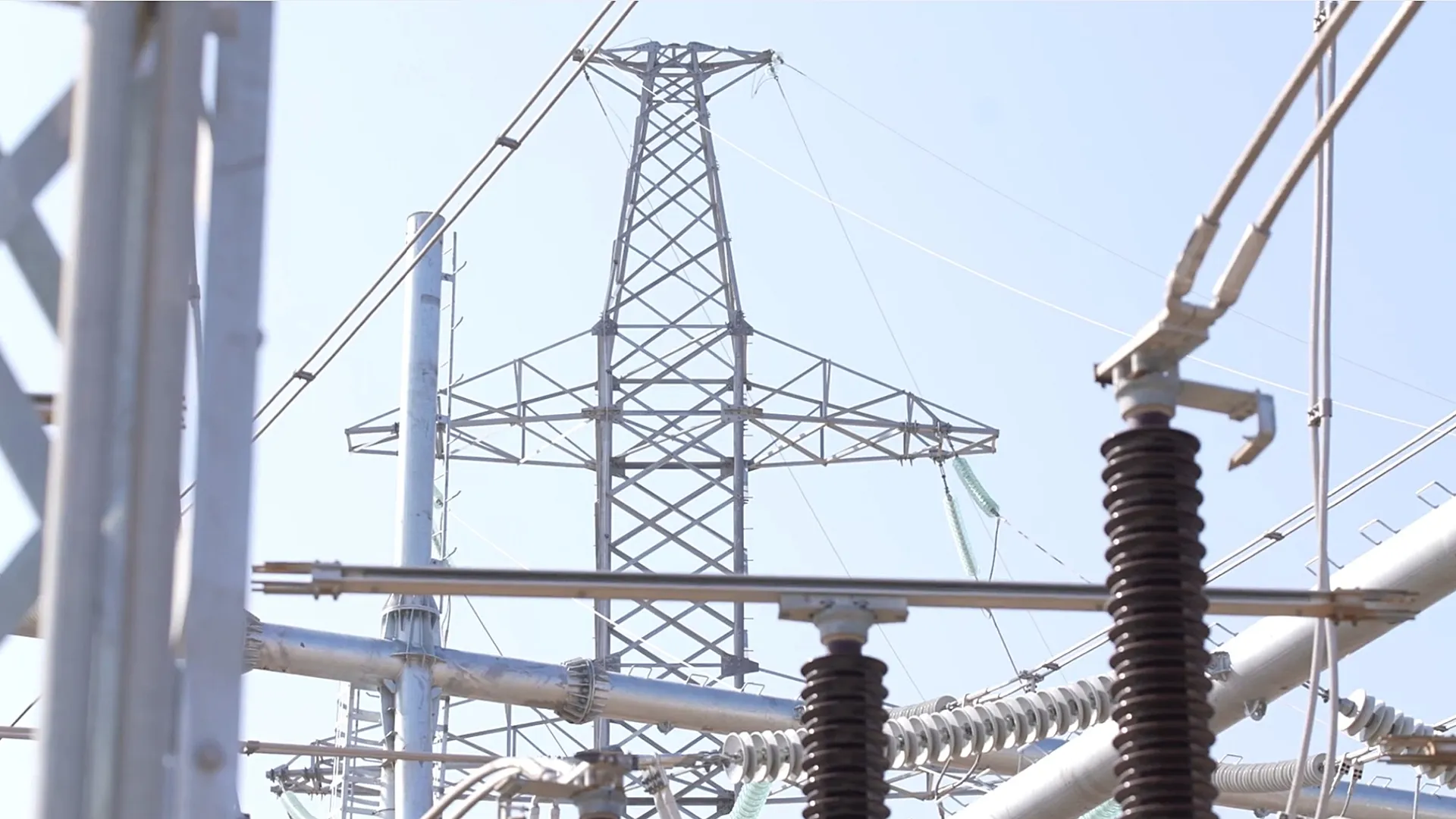
Uzbekistan combines renewables, batteries, grids and nuclear power.
TASHKENT, UZBEKISTAN — July 2026.
Uzbekistan is transforming its electricity sector into one of Central Asia’s largest tests of whether rapid energy expansion can attract durable international investment. The country plans to increase annual power generation from approximately 82 billion kilowatt-hours to more than 120 billion within the next five years. Rising industrial activity, population growth and new digital infrastructure are creating demand that the existing system cannot satisfy without substantial new capacity. The government is therefore attempting to expand supply while reducing dependence on fossil fuels and modernizing an aging transmission network.
President Shavkat Mirziyoyev has said renewable sources are expected to provide 54 percent of Uzbekistan’s electricity generation by 2030. The country has already attracted nearly $6 billion in foreign investment for green-energy projects and plans to direct another $4 billion toward transmission infrastructure. Authorities are seeking additional financing for solar and wind plants, battery-storage facilities, network modernization and data centers powered by lower-carbon electricity. This strategy connects energy policy with a broader ambition to strengthen manufacturing, technological services and economic competitiveness.
International financial institutions are already playing a major role in supporting the transition across Uzbekistan and neighboring economies. The European Bank for Reconstruction and Development invested almost $2 billion in 120 projects across Central Asia and Mongolia during 2025, with more than $1 billion directed toward Uzbekistan. More than half of the bank’s regional investments were classified as green, while approximately one-third supported sustainable infrastructure. The figures demonstrate that energy development has become one of the principal channels through which international capital is entering the region.
Major projects now combine renewable generation with battery storage rather than treating electricity production as an isolated investment. One financing package worth $142 million supports a facility developed with ACWA Power that includes one gigawatt of solar photovoltaic capacity and a 1,336-megawatt-hour battery system. Another package of up to $195.5 million supports a 300-megawatt solar plant and a 75-megawatt-hour storage facility developed by Masdar in the Kashkadarya region. These installations are designed to store electricity when production is high and release it when demand or grid conditions require additional supply.
Financing alone will not determine whether Central Asia’s energy plans succeed because investors also require predictable regulation, transparent contracts and credible long-term government policies. Huseyin Ozhan, the EBRD’s managing director for Central Asia and Mongolia, has emphasized that investment commitments must be accompanied by sustained policy reform. Several governments in the region have adopted decarbonization targets extending toward 2050 or 2060, supported by sectoral roadmaps and lower-carbon development strategies. The challenge is converting those distant commitments into practical rules that encourage private participation while protecting consumers and maintaining financial stability.
Renewable energy remains the principal investment route for reducing the region’s reliance on aging systems powered by gas and other fossil fuels. However, adding solar and wind capacity without sufficient storage or transmission infrastructure could create congestion, instability and periods in which available electricity cannot reach consumers. Generation, batteries, grid connections and regulatory reform must therefore advance together rather than as separate projects with different schedules. This interconnected requirement turns the energy transition into a broader infrastructure challenge involving engineering, finance, public administration and regional coordination.
Uzbekistan is also adding nuclear power to its future electricity mix as it seeks reliable low-carbon generation capable of operating continuously. Construction has begun on the country’s first nuclear project in the Jizzakh region, moving the plan from design and negotiation into physical implementation. The facility is expected to include two large reactors of approximately 1,000 megawatts each and two small modular reactors of around 55 megawatts each. Nuclear power could help reduce the share of natural gas in electricity production, which currently represents roughly three-quarters of the national supply.
The nuclear program introduces a different category of investment risk involving construction schedules, financing structures, safety regulation, waste management and long-term political responsibility. Large reactors require enormous capital commitments and can take years to complete, while small modular technology has not yet achieved widespread commercial deployment at the scale advocates anticipate. Uzbekistan will need strong independent oversight, qualified personnel and transparent emergency planning to establish public and investor confidence. The project’s performance will influence how other developing economies evaluate nuclear power as part of their own energy-security and decarbonization strategies.
Central Asia possesses substantial natural resources and growing electricity demand, giving the region significant potential to attract capital for energy development. Investors will nevertheless evaluate whether governments can maintain stable regulation, honor contracts, strengthen grids and manage the financial risks associated with large infrastructure programs. Uzbekistan’s combination of solar power, batteries, transmission investment and nuclear generation makes it a particularly important regional case study. Its success or failure will show whether ambitious energy targets can become reliable assets that support industrial growth, digital expansion and a lower-carbon economy.
Phoenix24 — Global news with clarity and perspective.