

 Phoenix 24
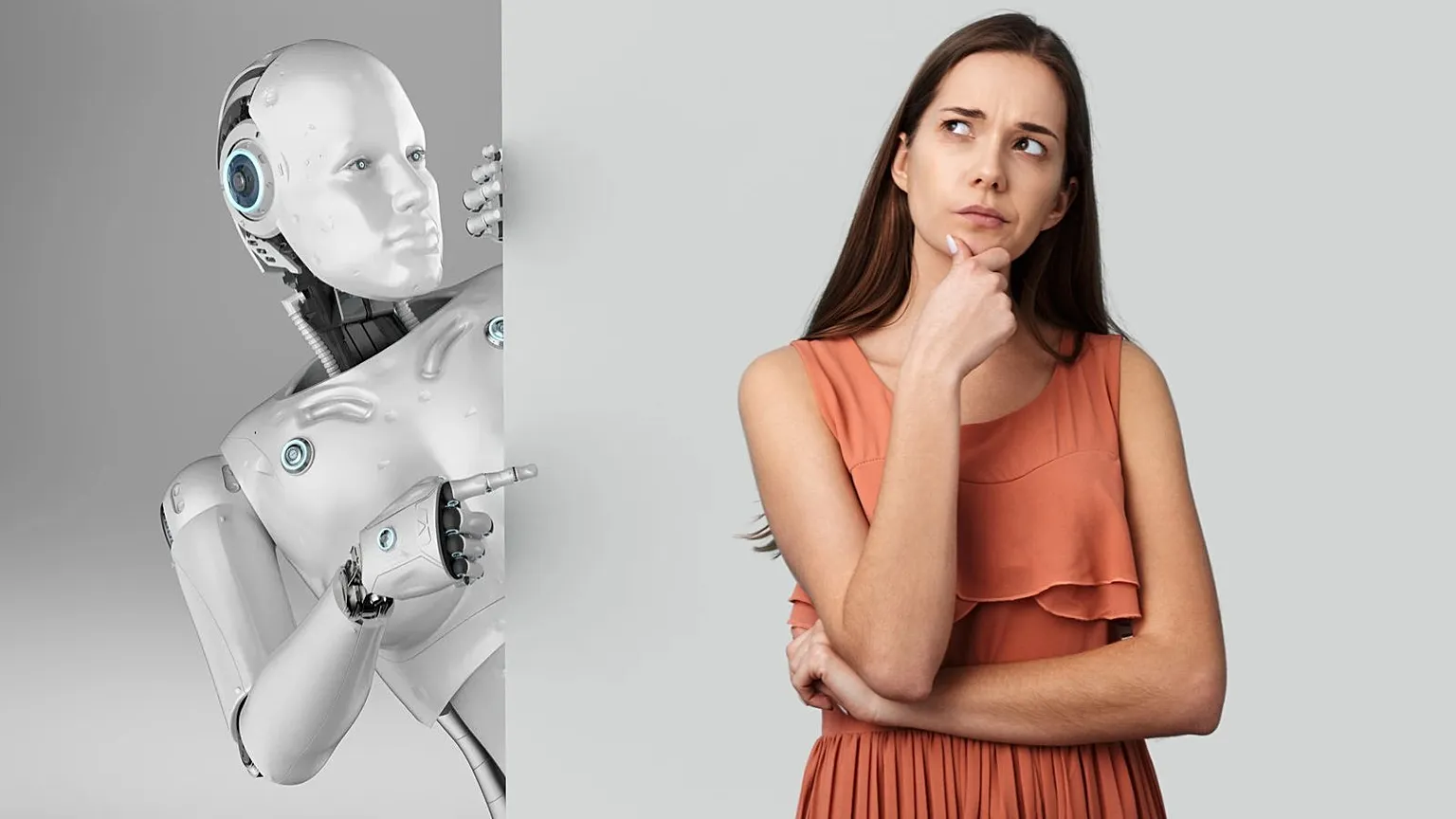
The human dimension gains renewed significance in an automated world.
Cambridge, England
Cambridge Dictionary has selected “human” as its Word of the Year for 2026, reflecting a growing global debate over identity, creativity and the boundaries between people and artificial intelligence. The announcement highlights how technological advances are changing not only the tasks machines can perform but also the language societies use to distinguish human capabilities from automated processes.
The selection represents an unusual recognition for a familiar word whose meaning has acquired renewed cultural significance. Cambridge defines the term through the qualities, imperfections and emotions associated with people, distinguishing them from machines and other forms of existence. As artificial intelligence becomes increasingly capable of producing language, images and complex decisions, that distinction is attracting greater public attention.
Colin McIntosh, chief editor of Cambridge Dictionary, explained that the expanding presence of artificial intelligence has encouraged people to reconsider what makes human involvement valuable. The institution based its selection on linguistic evidence, online trends and changing patterns of public interest. Its assessment points toward a renewed appreciation for personal judgment, originality and authentic interaction.
One emerging consequence is the growing commercial relevance of human-created work. In industries ranging from journalism and publishing to entertainment and design, the ability to identify content produced by people is becoming a potential source of differentiation. Cambridge describes this tendency through the concept of a “human premium,” reflecting the value consumers may attach to craftsmanship, intention and recognizable human participation.
The implications extend into education and professional environments, where automated systems increasingly support research, communication and decision-making. While these technologies can improve productivity and expand access to information, their adoption raises questions about cognitive dependence, accountability and the preservation of independent judgment. The central concern is not simply whether artificial intelligence can perform a task, but how much responsibility individuals and institutions should retain when delegating it.
Other candidates considered by Cambridge included “agent,” associated with artificial intelligence systems capable of operating with considerable autonomy, and “analogue,” reflecting renewed interest in experiences beyond digital environments. The shortlist illustrates competing responses to technological transformation, from deeper automation to a conscious preference for direct, personal engagement.
The recognition also follows earlier dictionary selections shaped by technological change. Cambridge chose “hallucinate” in 2023, highlighting the problem of artificial intelligence producing misleading or fabricated information. Three years later, its emphasis has shifted from the limitations of machines toward the meaning and perceived value of human identity itself.
The designation does not establish that artificial intelligence necessarily diminishes human abilities, nor does it imply that technological innovation and human creativity are incompatible. Instead, it captures a moment in which societies are reconsidering how technological efficiency should coexist with autonomy, emotional understanding and ethical responsibility.
Ultimately, Cambridge’s decision gives linguistic expression to a broader cultural transformation. As artificial intelligence becomes embedded in everyday life, the question increasingly concerns not only what machines can accomplish, but which human capacities, relationships and responsibilities societies choose to preserve.
Where Innovation Meets Responsibility.