

 Phoenix 24
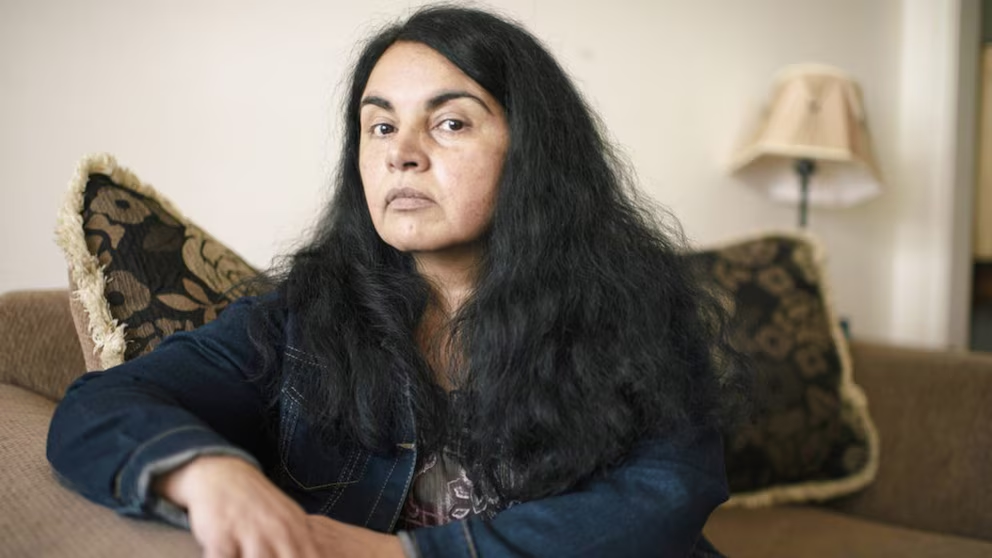
More than 200 cultural figures challenge a controversial literary decision.
SANTIAGO, Chile — November 2026. Chile’s Ministry of Cultures, Arts and Heritage is facing mounting criticism after invalidating a jury’s decision to recognize poet and journalist Verónica Jiménez Dotte for her book Persona sin identificar. The controversy has prompted 201 writers, artists, musicians and cultural representatives to demand that the original verdict be respected, raising questions about artistic independence, administrative authority and the transparency of publicly funded literary awards.
Published in 2025 by Garceta Ediciones, Persona sin identificar examines deaths, state violence and the experiences of victims during Chile’s October 2019 social uprising. The collection also establishes connections with the country’s historical memory of detention, disappearance and torture under military rule, placing questions of justice and collective remembrance at the center of its literary narrative.
The dispute emerged after the ministry announced the winners of its 2026 Literary Awards on November 10 without including the categories for published and unpublished poetry. Jiménez subsequently learned from two jury members, Milagros Abalo and Gastón Carrasco, that her book had been selected for first place. Both confirmed that the decision had been formally recorded, although the ministry had not publicly recognized the result.
The ministry later invalidated the evaluation and decided to appoint a new jury. According to the Undersecretariat for Cultures and Arts, the measure followed successful administrative appeals requiring three additional submissions to be included in the competition. Officials maintain that both poetry categories remain under evaluation and that the procedure must be corrected to ensure all eligible works receive consideration.
The original jurors reportedly offered to review the additional submissions, but the ministry chose to establish new evaluation committees instead. That decision has become a central source of criticism, with opponents questioning whether administrative corrections required replacing the specialists who had already reached a verdict.
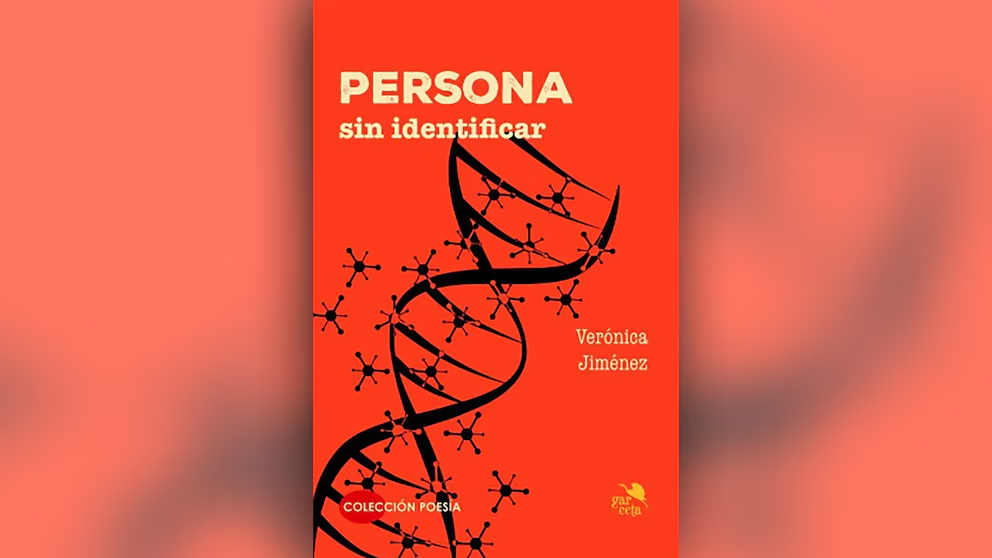
Jiménez maintains that she was the legitimate winner and has announced plans to challenge the procedure before Chile’s Comptroller General. She has also raised the possibility of censorship because of her book’s politically sensitive subject matter. However, no official finding has established that the ministry acted to suppress the work’s content, and authorities continue to attribute their decision to procedural requirements.
The public letter defending Jiménez includes prominent cultural figures such as writers Diamela Eltit and Nona Fernández, poet Raúl Zurita and actor Alfredo Castro. Its signatories argue that the controversy extends beyond an individual prize, highlighting the importance of protecting independent artistic judgments from inappropriate administrative intervention.
The dispute comes shortly before the Literary Awards ceremony scheduled for November 25 at Santiago’s La Moneda Cultural Center. With the poetry categories unresolved, the outcome will depend on the revised evaluation process and any subsequent administrative review.
Beyond the immediate disagreement, the case illustrates the delicate relationship between cultural institutions, procedural fairness and freedom of artistic expression. Its resolution could influence public confidence in how literary excellence is evaluated and recognized in Chile.
Beyond the Headlines, Accountability Matters.