

 Phoenix 24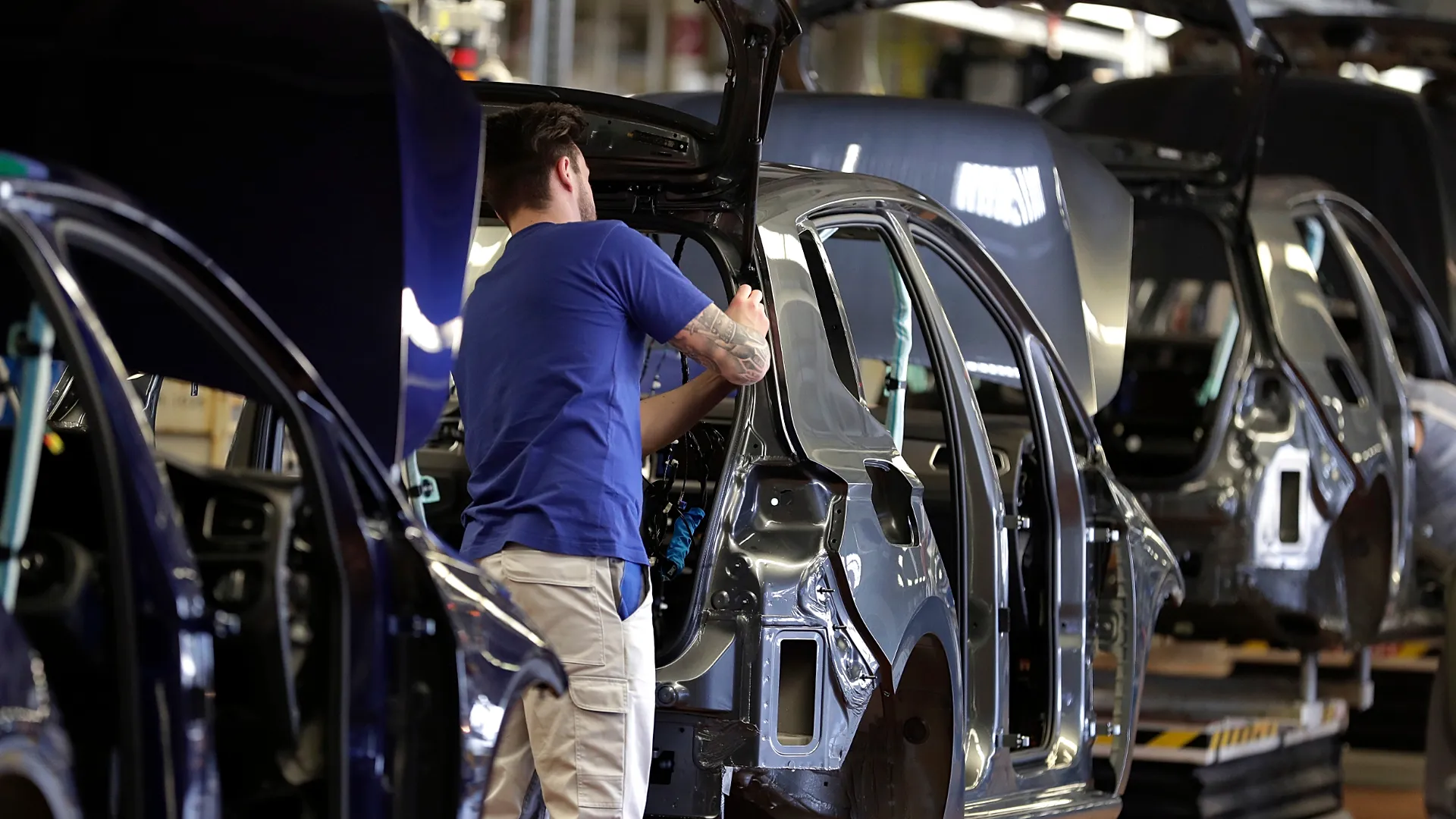
Europe fears another wave of industrial displacement.
Brussels | July 2026
The European Union is considering accelerating its commercial response to China as concerns grow over industrial overcapacity, subsidized exports and Europe’s widening trade imbalance with Beijing. Brussels is examining whether its existing trade-defense instruments can be deployed more rapidly and across a broader range of strategic sectors. The objective is to protect European production without triggering an uncontrolled trade war between two deeply interconnected economies.
China’s trade surplus with the European Union reached approximately 360.6 billion euros in 2025, an increase of around 15 percent from the previous year. The imbalance continued expanding during the first months of 2026 as Chinese exports gained market share while European companies struggled to increase sales inside China. EU officials increasingly describe that trajectory as economically and politically unsustainable.
European concern extends beyond the total value of imported goods. Brussels argues that Chinese industrial policy generates production capacity exceeding domestic demand, allowing manufacturers to export electric vehicles, batteries, steel, solar equipment, machinery and other products at prices European competitors find difficult to match. The fear is that Europe could lose strategic industries before its own green and digital transition is complete.
The European Commission is therefore evaluating a more coordinated strategy rather than responding to each sector through separate and lengthy investigations. Possible measures include anti-dumping duties, anti-subsidy investigations, import safeguards, quotas and stronger reciprocity requirements in public procurement. Brussels may also prioritize European products in sectors considered essential to economic security.
Public purchasing has become one of the most powerful instruments under discussion. Governments across the European Union spend trillions of euros annually on infrastructure, healthcare, transportation, energy and digital services. Requiring greater European content in strategically important contracts could redirect part of that demand toward domestic manufacturers while limiting access for companies from countries that do not offer equivalent treatment.
The proposed Industrial Accelerator Act is central to this debate. The initiative could allow public authorities to favor products made inside Europe in areas such as clean technology, medical equipment, critical infrastructure and dual-use industries. Supporters argue that Europe cannot finance its industrial transformation while allowing subsidized foreign competitors to capture the resulting market.
China considers many of these proposals discriminatory. Beijing has warned European officials against treating Chinese competitiveness as the cause of the continent’s structural economic problems. Chinese representatives argue that Europe should improve productivity, reduce regulatory costs and recognize the efficiency of Chinese manufacturing rather than responding through protectionist barriers.
Beijing has also raised concerns about European cybersecurity rules, investment screening and restrictions affecting Chinese technology companies. Measures targeting telecommunications equipment, electric vehicles or public procurement are interpreted in China as components of a broader containment strategy. Chinese officials have warned that additional restrictions could produce reciprocal action against European businesses.
Europe’s vulnerability is intensified by its dependence on Chinese critical materials and industrial components. China maintains dominant positions in the processing of rare earths, battery supply chains, solar manufacturing and several technologies required for defense and renewable energy. Export controls or administrative delays affecting those materials could disrupt European production before alternative suppliers are ready.
This dependence explains why Brussels describes its policy as risk reduction rather than complete economic separation. The European Union cannot rapidly replace Chinese supply chains without increasing costs and delaying important industrial projects. Its challenge is to reduce strategic exposure while preserving trade in sectors where mutual dependence remains beneficial.
EU Trade Commissioner Maroš Šefčovič has demanded tangible progress in negotiations with Beijing by October. Working groups have been established to discuss the trade imbalance, export controls, intellectual property and reform of international trading rules. Dialogue remains open, but Brussels has indicated that consultation cannot become a substitute for measurable change.
The European Union has already implemented measures affecting Chinese electric vehicles and introduced stronger protection for its steel industry. It has also moved to regulate the enormous volume of low-value parcels entering Europe through online commerce platforms. These actions reflect concern that traditional customs systems were not designed for the scale and speed of contemporary Chinese exports.
The political difficulty lies inside Europe itself. France and several other countries support a more assertive response designed to preserve manufacturing capacity and strategic autonomy. Germany and other export-oriented economies remain more cautious because their companies depend on access to Chinese consumers, suppliers and production networks.
European businesses also hold divided positions. Manufacturers competing directly against Chinese imports want stronger protection, while companies dependent on affordable components fear that tariffs will increase their costs. Luxury brands, automakers and industrial groups with significant operations in China are especially concerned about retaliation.
The dispute therefore reaches beyond simple protectionism. Europe must decide which industries are essential, how much consumers should pay to preserve them and whether public money should prioritize resilience over the lowest available price. Those decisions will shape employment, technological capacity and the continent’s ability to respond to future geopolitical crises.
A stronger trade policy also carries inflationary risks. Chinese products have helped reduce the price of solar panels, electronics, household goods and electric vehicles. Restrictions may support European factories, but they could also make the green transition more expensive and reduce consumer choice.
China possesses several instruments for responding. It can impose tariffs, initiate investigations against European products, restrict market access or tighten controls over critical minerals. Agricultural goods, luxury products, automobiles and aviation could become vulnerable if the dispute expands.
Brussels must also preserve the credibility of international trade law. Defensive measures require evidence of subsidies, dumping, coercion or economic injury rather than political suspicion alone. If Europe adopts restrictions without transparent procedures, it risks weakening the rules-based system it claims to defend.
The emerging confrontation reveals a deeper transformation in European policy. Trade is no longer treated only as an instrument for growth and lower prices. It has become connected to national security, technological sovereignty, energy resilience and geopolitical influence.
Europe spent decades assuming that economic interdependence would moderate strategic rivalry. The relationship with China now challenges that assumption. Dependence can encourage cooperation, but it can also create leverage for the country controlling the most essential supply chains.
Brussels is not yet pursuing a complete economic rupture with Beijing. It is attempting to build defenses before another wave of Chinese exports permanently reshapes the European industrial landscape. The success of that strategy will depend on unity among member states, disciplined use of legal instruments and a realistic understanding of Europe’s own competitive weaknesses.
La verdad es estructura, no ruido. / Truth is structure, not noise.