

 Phoenix 24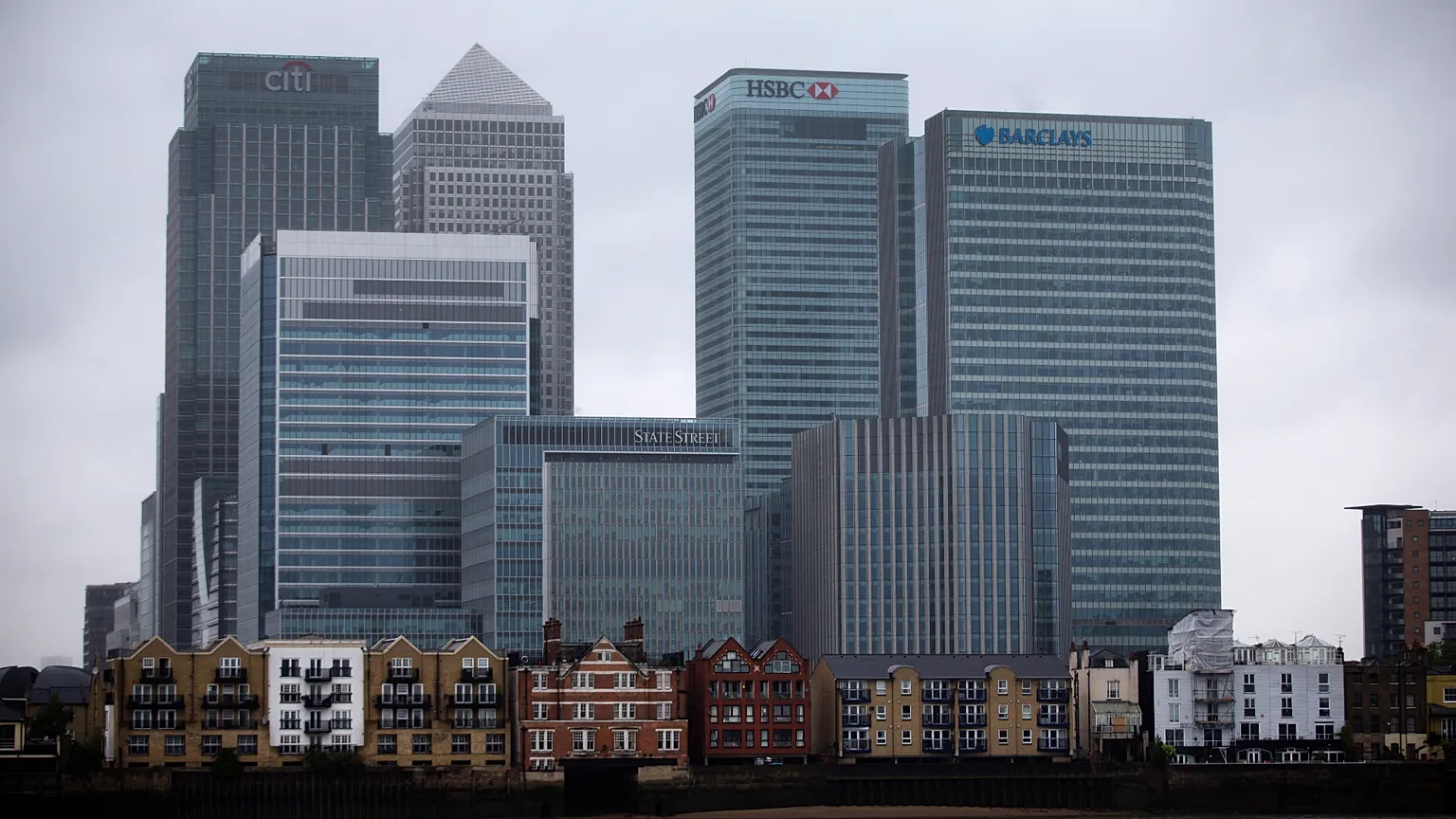
The future of banking may still look familiar.
London
Britain’s largest banks have completed their first interbank transactions using tokenized deposits, marking an important step in the effort to bring blockchain infrastructure into conventional banking. Lloyds, NatWest and Barclays carried out mortgage refinancing transactions, while another group including HSBC tested a customer payment designed to simulate an online marketplace purchase. The experiments show that digital money does not necessarily have to emerge outside the banking system. It can also evolve from the deposits people already use every day.
A tokenized deposit remains an ordinary bank deposit but is recorded through blockchain based infrastructure rather than solely within a bank’s traditional internal ledger. Its legal status and protections remain connected to the existing banking system, while the technology can allow payments to settle instantly or move only after predefined conditions have been satisfied. In the mortgage tests, funds were released automatically once the transfer of property was confirmed. In the simulated marketplace transaction, the buyer’s money was held until delivery conditions were verified.
The technical breakthrough is interoperability. Banks have experimented with blockchain systems for years, but those systems were often isolated from one another, limiting their usefulness for transactions involving competing institutions. The Great British Tokenised Deposit project is intended to bridge that fragmentation. Barclays, HSBC, Lloyds, Monzo, NatWest, Nationwide and Santander are participating in the initiative, giving the experiment a scale that could move tokenization beyond laboratory testing.
The Bank of England’s position adds another layer to the development. British authorities have signaled a preference for innovation built around regulated bank deposits rather than privately issued stablecoins operating outside conventional banking structures. The participating institutions now plan to establish a company and supervisory framework for the project, with ambitions to issue three digital bonds in the first quarter of 2027 that could be traded and settled using tokenized deposits.
Similar developments are unfolding across continental Europe. The Eurosystem has launched Pontes to allow banks to settle transactions involving tokenized assets using central bank money, while European monetary authorities continue debating tighter rules for stablecoins linked to foreign currencies. London and Frankfurt are therefore pursuing different technical routes toward a similar destination. Both are attempting to ensure that the next generation of digital finance remains anchored to regulated forms of money.
The deeper transformation may not be the disappearance of banks. It may be the conversion of traditional bank money into programmable infrastructure.
Phoenix24: clarity in the grey zone. / Phoenix24: claridad en la zona gris.