

 Phoenix 24
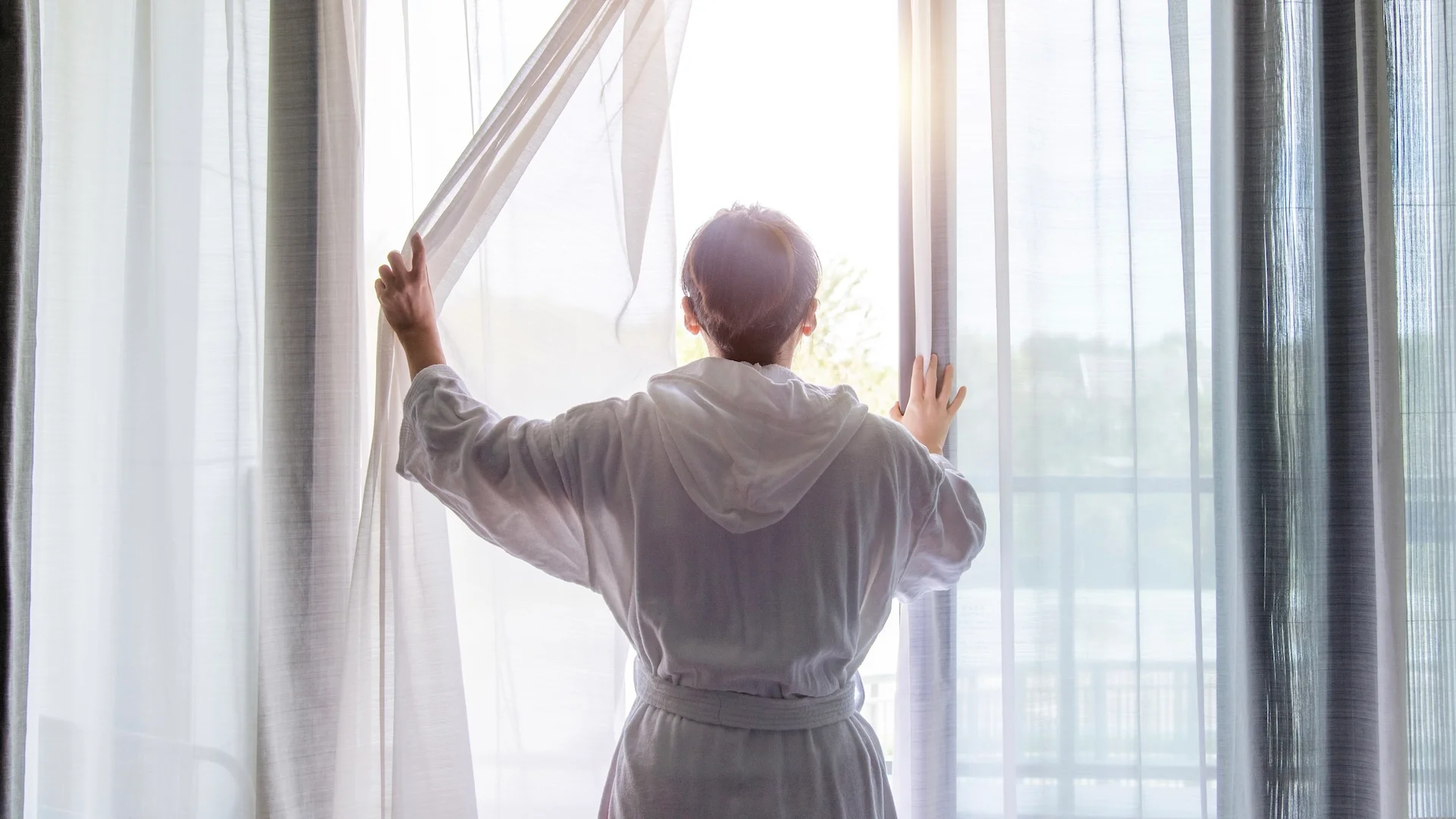
Daily routines can shape nighttime rest more than expected.
NEW YORK, United States — November 2026. Better sleep does not begin when people turn off the lights or climb into bed. Researchers and sleep medicine specialists emphasize that everyday decisions involving wake-up schedules, exposure to natural light, caffeine consumption and evening activities can influence how effectively the body prepares for rest. Understanding these connections offers a practical approach to improving sleep quality without relying on complicated routines.
Two biological processes play central roles in regulating sleep. The circadian rhythm acts as an internal clock, helping coordinate periods of alertness and rest over approximately 24 hours, while sleep pressure gradually increases the longer a person remains awake. According to the US National Heart, Lung, and Blood Institute, consistent daily schedules and environmental light provide important signals that help synchronize these processes.
Maintaining a relatively stable wake-up time is particularly useful because it establishes a predictable reference point for the biological clock. The American Academy of Sleep Medicine and the Sleep Research Society recommend that adults aged 18 to 60 regularly obtain at least seven hours of sleep, although individual needs vary. Occasional schedule adjustments may be necessary, but frequently sleeping and waking at substantially different times can make a consistent sleep pattern harder to maintain.
Natural daylight is another important influence. Exposure to outdoor light during the morning and daytime helps reinforce the distinction between waking hours and nighttime, while excessive artificial light close to bedtime can interfere with the body’s preparation for sleep. Regular physical activity may also support sleep quality, although strenuous exercise immediately before bedtime can be stimulating for some individuals.
Scientific evidence illustrates why evening habits matter. An experimental study published in Proceedings of the National Academy of Sciences compared reading printed books with using light-emitting electronic readers before bedtime. Among 12 young adults observed over five nights, electronic reading was associated with delayed sleep onset, reduced melatonin release and lower alertness the following morning. The small sample limits how broadly those findings can be applied, but the results demonstrate a plausible relationship between evening light exposure and sleep regulation.

Caffeine consumption can further complicate the process. By interfering with the action of adenosine, a substance associated with increasing sleep pressure, caffeine may delay feelings of tiredness even several hours after consumption. Its effects depend on individual sensitivity, dosage and timing, making it useful to monitor coffee, tea and energy-drink intake during the afternoon.
The final hours of the day should ideally provide a transition from demanding activities toward rest. Reducing screen use, dimming lights and maintaining a quiet, comfortable bedroom may help create that distinction. However, persistent insomnia, frequent awakenings, observed breathing interruptions during sleep or excessive daytime sleepiness warrant professional medical evaluation rather than relying exclusively on lifestyle adjustments.
The broader lesson is that sleep quality emerges from habits established throughout the day. Consistency, appropriate light exposure and realistic adjustments to daily routines can support healthier rest while respecting individual biological differences.
Where Facts Meet Perspective.