

 Phoenix 24

Nutrition science separates measurable benefits from exaggerated health claims.
NEW YORK, United States. Pomegranate seeds are attracting renewed attention for their nutritional value, particularly their fiber, vitamins, minerals and antioxidant compounds. However, nutrition specialists emphasize that including the fruit in a balanced diet does not guarantee protection against chronic diseases or replace medical treatment.
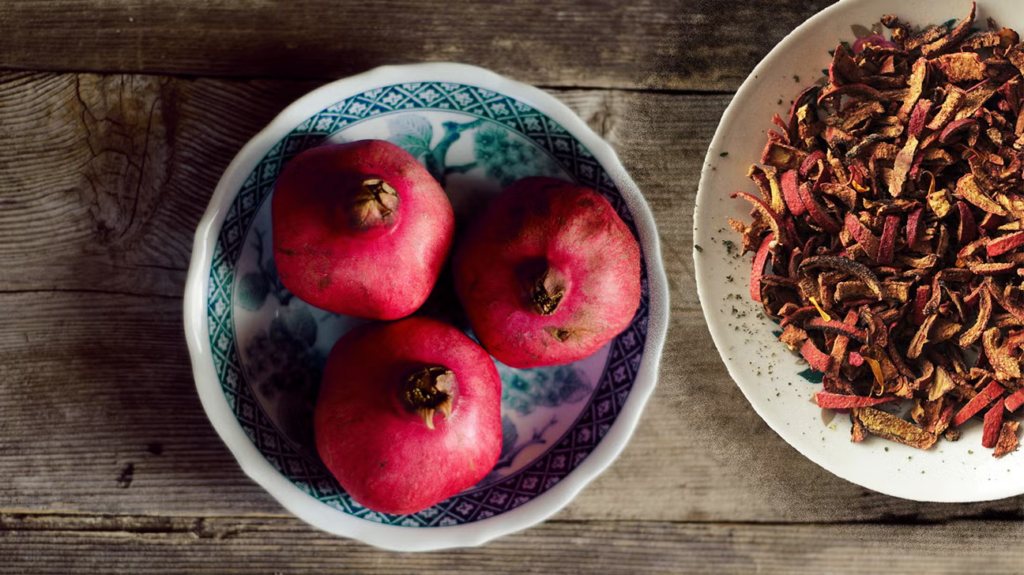
The edible red structures, known as arils, contain small seeds surrounded by juicy pulp. According to the United States Department of Agriculture (USDA), half a cup of pomegranate arils, approximately 87 grams, provides 72 calories, 3.5 grams of dietary fiber, 205 milligrams of potassium and nearly 9 milligrams of vitamin C.
These nutrients contribute to normal physiological functions. Dietary fiber supports intestinal regularity, potassium participates in muscle and nerve function, and vitamin C contributes to immune function and normal cellular protection.
Pomegranates also contain polyphenols, including anthocyanins, ellagitannins and ellagic acid. These plant compounds are being investigated for their antioxidant properties and possible relationships with inflammation, metabolism and cardiovascular health.
Registered dietitian Lauren Manaker has highlighted the fruit’s diverse antioxidant profile, while University of South Florida researcher Heewon Gray has emphasized the interaction between pomegranate polyphenols and intestinal microorganisms.
Some compounds are transformed by gut bacteria into metabolites that may have biological activity. However, the effects vary among individuals, and laboratory findings cannot automatically be translated into proven health benefits.

The United States National Center for Complementary and Integrative Health reports that pomegranate juice or extracts may modestly influence certain cardiovascular and metabolic indicators, including blood pressure and blood glucose. Nevertheless, available clinical evidence remains insufficient to establish reliable preventive effects against cancer, diabetes or cognitive decline.
Research involving exercise recovery presents similar limitations. Some small studies have examined pomegranate juice or concentrated extracts, but their results cannot be directly attributed to eating whole arils.
For everyday consumption, nutritionists recommend incorporating pomegranate into yogurt, oatmeal, salads or other meals rather than relying on concentrated supplements.
People who rarely consume fiber-rich foods should increase their intake gradually and maintain adequate hydration, since sudden dietary changes can cause bloating, gas or abdominal discomfort.
Individuals with gastrointestinal conditions or concerns involving regular medication use may benefit from personalized nutritional guidance.
The broader nutritional message is straightforward: pomegranate seeds can contribute valuable nutrients within a varied diet, but no single food can independently determine long-term health outcomes.
Their greatest value lies in complementing a dietary pattern that includes diverse fruits, vegetables, legumes and whole grains.
Beyond the Hype, Reality Matters.