

 Phoenix 24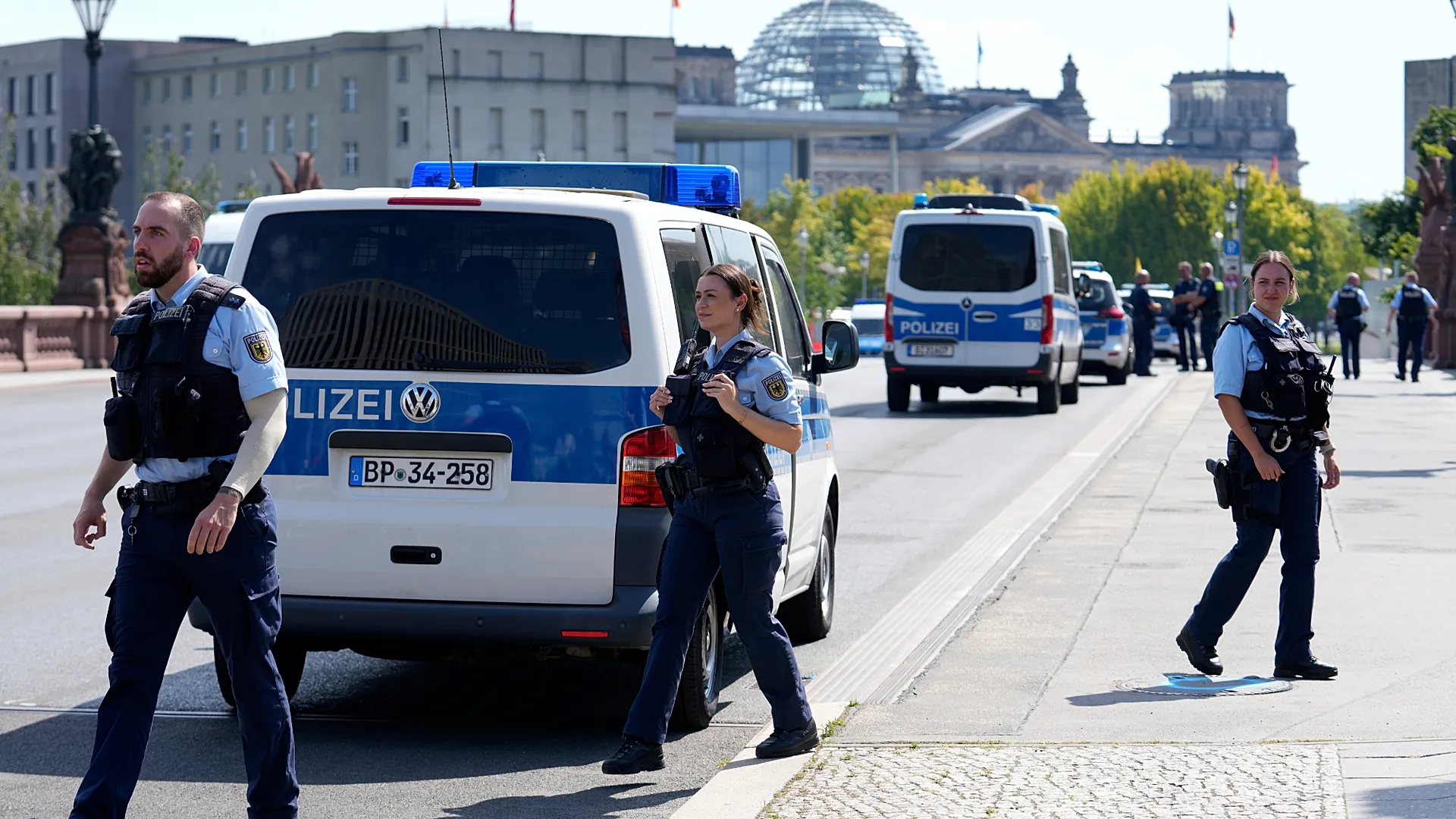
When security agencies act before the trigger is pulled, prevention becomes a form of silent diplomacy.
Berlin, October 2025
German authorities have arrested three individuals suspected of belonging to Hamas and plotting attacks on Jewish and Israeli targets within the country, a development that underscores Europe’s growing concerns about the spread of Middle Eastern conflicts onto its soil. The operation, coordinated by the Federal Criminal Police Office in cooperation with intelligence services, culminated in simultaneous raids across several Berlin districts that resulted in the seizure of weapons, digital devices, and documents believed to detail potential targets. The arrests were followed by immediate pretrial detention orders, reflecting the gravity of the charges and the potential scale of the planned attacks.
According to federal prosecutors, the suspects — identified only by their initials in accordance with German privacy law — had been under surveillance for months. Investigators allege that they had established contact with networks linked to Hamas’s external operations unit and were actively attempting to procure firearms and explosives. Authorities also stated that the suspects had scouted several Jewish cultural centers, diplomatic facilities, and commercial venues associated with the Israeli community. One senior security official described the plot as “advanced and operational,” emphasizing that the intervention likely prevented a significant attack.
Germany’s Interior Ministry noted that the arrests form part of a broader counterterrorism campaign launched earlier this year following intelligence indicating that militant organizations might seek to expand their activities beyond the Middle East. The Federal Office for the Protection of the Constitution, Germany’s domestic intelligence agency, has repeatedly warned that the ongoing war in Gaza is increasing radicalization risks among diaspora communities and extremist networks in Europe. Officials in Berlin are now examining whether the suspects were part of a larger cell or acting as an autonomous unit with ideological guidance but operational independence.
The arrests have triggered intense debate within Germany’s political landscape. Chancellor Olaf Scholz described the operation as proof that “Germany remains vigilant against all forms of terrorism,” while opposition lawmakers have called for a comprehensive review of intelligence coordination with European partners. Across the political spectrum, there is growing consensus that Germany’s legal framework for combating foreign-linked extremist activity must evolve to match the speed and complexity of modern threats. Some legislators are even advocating for expanded surveillance powers and tighter controls on foreign funding for religious and cultural associations, measures that have historically been politically divisive.
The incident also highlights Europe’s evolving security environment. Europol recently reported a sharp increase in foiled plots linked to transnational militant groups, noting that networks associated with Hamas, Hezbollah, and Islamic Jihad have attempted to exploit the current geopolitical climate to recruit sympathizers and plan attacks. Intelligence services in France and the Netherlands have confirmed parallel investigations into suspected logistical and financial support cells, suggesting that the Berlin arrests may be part of a wider operational map stretching across the continent. This growing transnational dimension underscores the necessity of intelligence-sharing mechanisms that extend beyond traditional bilateral channels.
From a geopolitical perspective, the case reflects broader strategic shifts following months of escalating violence in Gaza. Analysts at the European Council on Foreign Relations point out that militant groups have sought to pressure European governments by demonstrating their reach far beyond conflict zones. These tactics aim to shape public opinion and weaken European support for Israeli operations. At the same time, they risk provoking domestic backlashes that could fuel xenophobia and polarize already fragile political environments — an outcome that would serve the propaganda goals of extremist movements. Security experts warn that the line between foreign conflict and domestic threat is becoming increasingly blurred, with Europe emerging as a secondary arena in the broader Israeli-Palestinian confrontation.
Community leaders within Germany’s Jewish population have responded to the arrests with a mix of relief and renewed concern. Synagogues and schools have strengthened their security protocols, while advocacy groups are urging the government to address rising antisemitism, which they say has intensified since the start of the Gaza war. Civil society organizations representing Arab and Muslim communities, meanwhile, caution against stigmatizing entire groups based on the actions of a few, warning that collective suspicion could undermine social cohesion and push vulnerable individuals toward radicalization — the very outcome extremist recruiters seek.
The German government now faces a complex balancing act: protecting its citizens and institutions from potential attacks while safeguarding civil liberties and social harmony. As investigators continue to unravel the suspects’ connections, attention will turn to whether this was an isolated attempt or part of a coordinated strategy to project Hamas’s influence into Europe. The outcome will shape not only Germany’s security posture but also broader European policies on counterterrorism, integration, and foreign policy in a region where local conflicts increasingly have global consequences.
For now, Berlin’s swift action has prevented what authorities believe could have been a devastating act of violence. But the arrests also serve as a reminder that the ideological and strategic reverberations of the Gaza conflict extend far beyond the Middle East. In an age where militancy crosses borders as easily as ideas, Europe’s ability to anticipate, disrupt, and adapt will define its resilience against threats that no longer recognize geography.
Information that anticipates futures. / Información que anticipa futuros.