

 Phoenix 24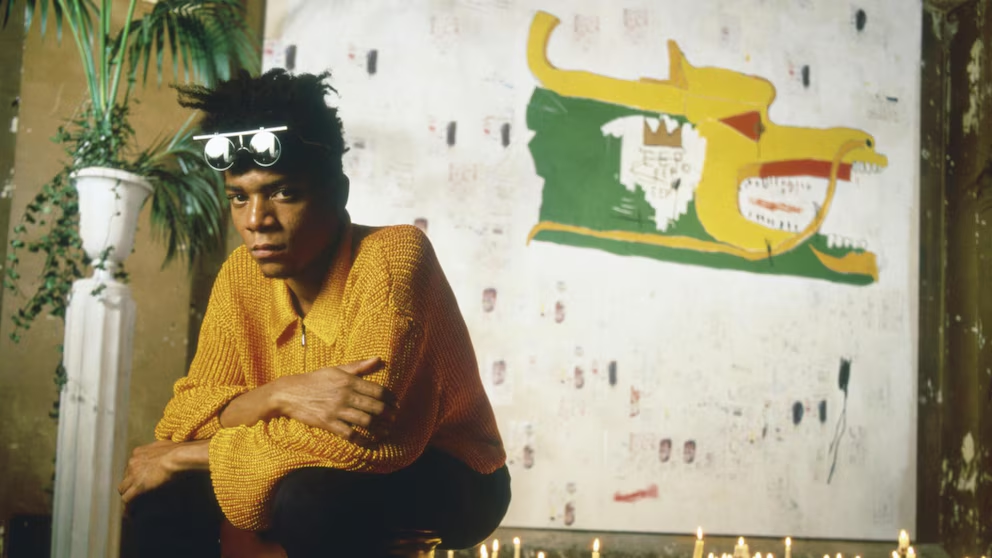
The archive is also a portrait.
Brooklyn, May 2026. Jean-Michel Basquiat returns to his native Brooklyn through Our Friend, Jean, an exhibition built around personal objects, early works, photographs and memories that reveal the artist before he became a global cultural icon. The show seeks to recover a more human Basquiat, closer to friendship, improvisation and daily creation than to the market mythology that later surrounded his name.
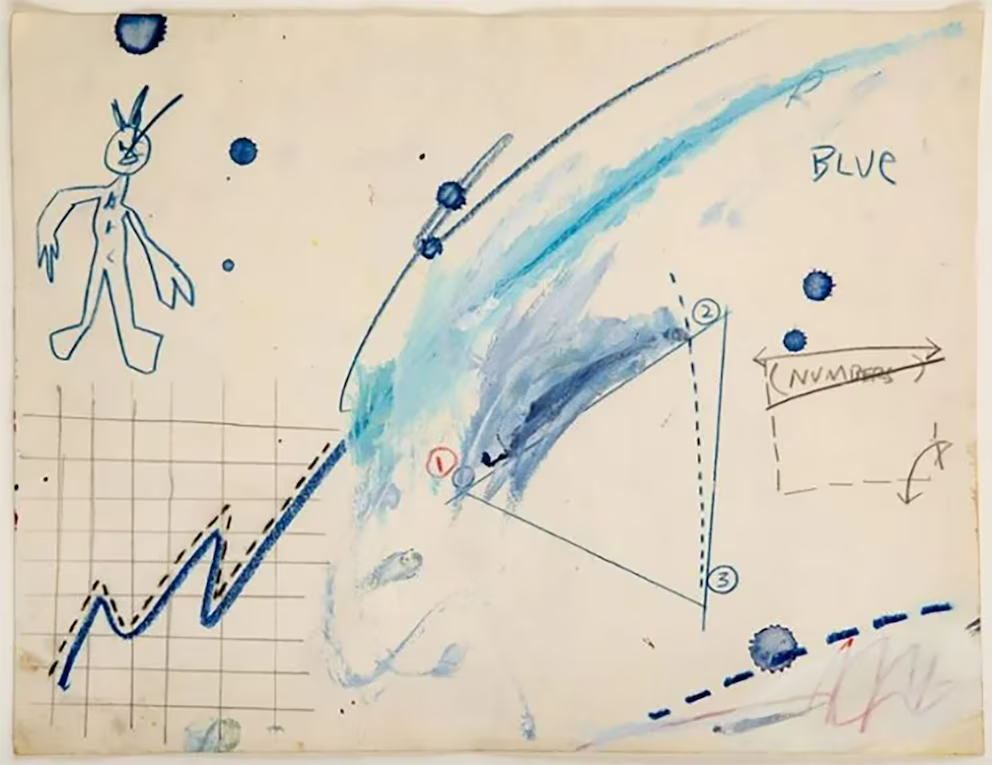
The exhibition brings together materials from the late 1970s and early 1980s, a decisive period before Basquiat’s rise after the historic Times Square Show. Many pieces come from Alexis Adler, the biologist and photographer who lived with him on East 12th Street between 1979 and 1980. During that time, the apartment became a living studio where walls, clothes, notes and ordinary objects absorbed his restless visual language.
Unlike exhibitions centered on auction prices or celebrity aura, Our Friend, Jean focuses on the intimate ecosystem that shaped Basquiat’s early imagination. Hand-painted sweaters, postcards, writings, drawings and unpublished photographs allow the public to see not only the artist’s finished work, but the fragments of a life in motion. The result is less a retrospective than a reconstruction of proximity.
The Bishop Gallery organized the exhibition and has gathered contributions from figures who were close to Basquiat’s creative circle, including artists, friends and witnesses from New York’s downtown scene. The project also carries an educational dimension after previously touring historically Black universities across several U.S. cities. That route matters because it reconnects Basquiat’s legacy with communities often excluded from the elite circuits that later transformed his work into a financial trophy.
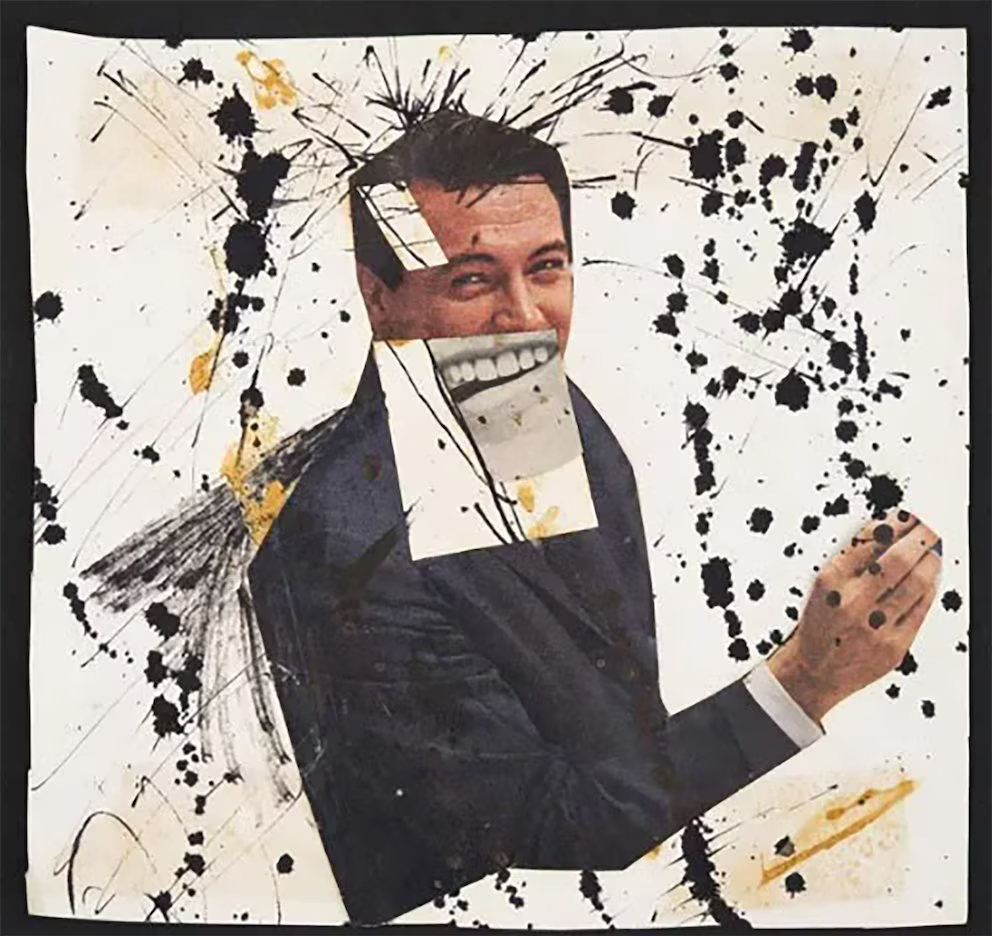
Basquiat’s return to Brooklyn is therefore more than a cultural event. It is a symbolic correction. The show places him back in the streets, rooms and relationships that helped form his language before museums, collectors and global branding fixed him into legend.
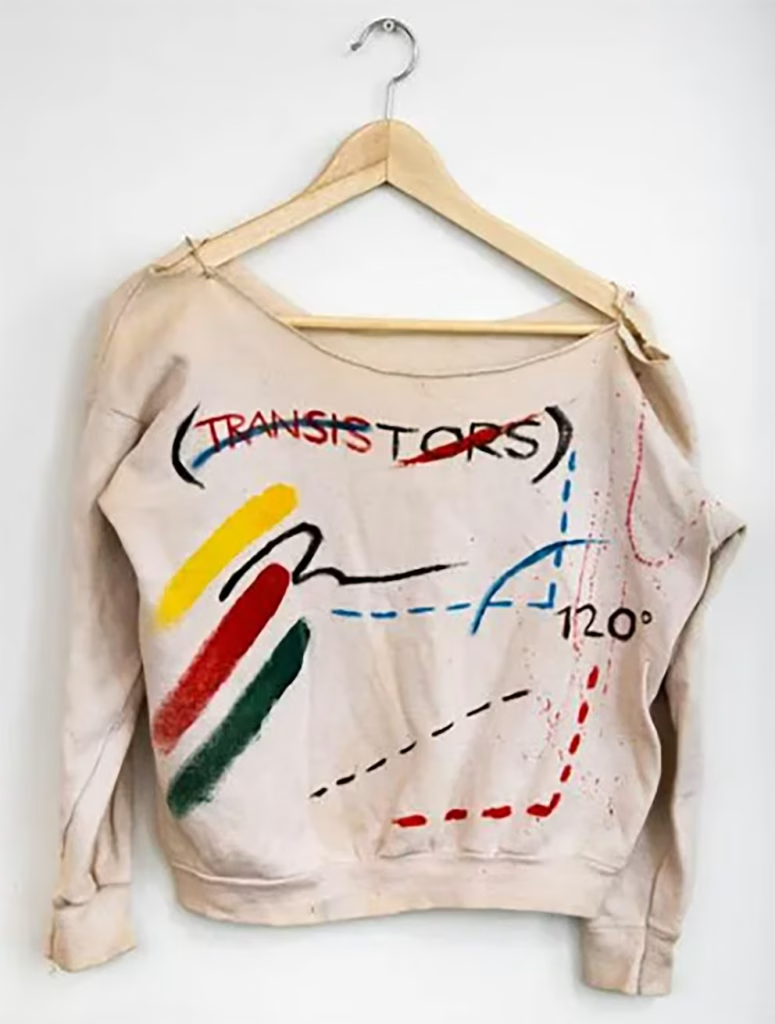
What emerges is a Basquiat less distant, less polished and more alive. The exhibition reminds viewers that genius does not appear fully formed inside the market. It grows first in bedrooms, friendships, notebooks, shared apartments and the unstable electricity of a city that teaches artists how to turn survival into signs.
La narrativa también es poder. / Narrative is power too.