

 Phoenix 24
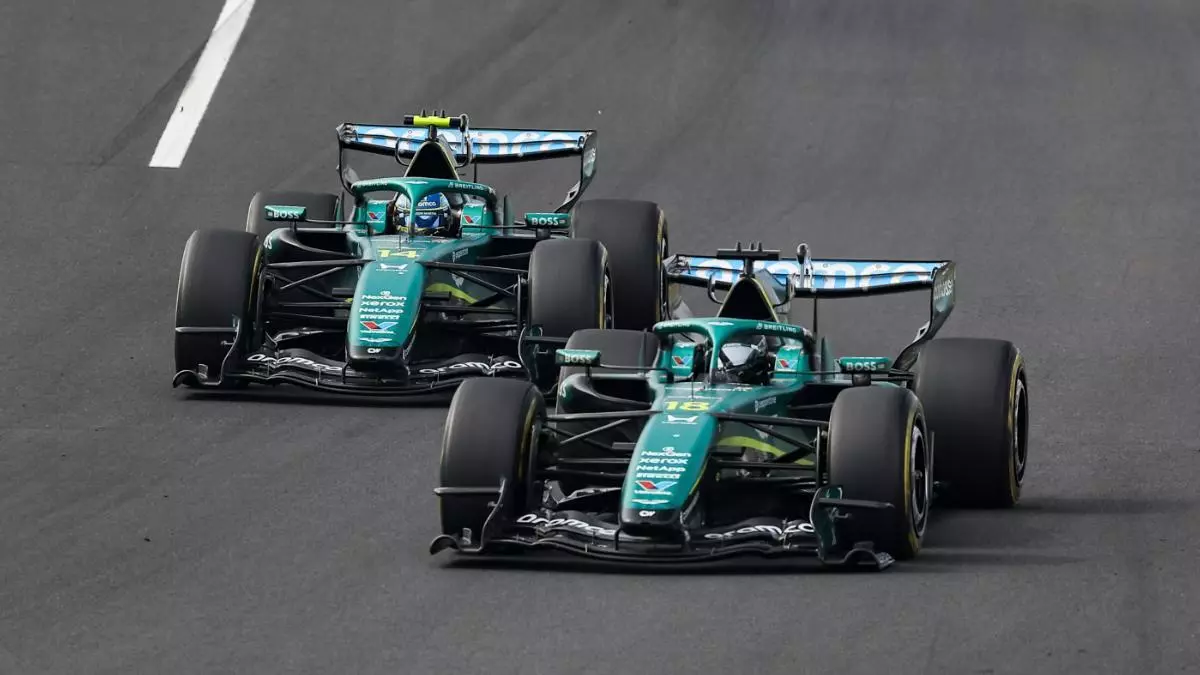
The gap is no longer only about pace.
Silverstone, April 2026
Aston Martin has entered a phase of the Formula 1 season where comparison with the front runners is beginning to lose practical meaning. The team is not simply off the title pace. It appears trapped in a narrower and more uncomfortable contest defined by reliability, technical confusion, and the need to restore basic competitiveness before larger ambitions can even be discussed again. In that sense, the idea that Aston Martin is competing in its own championship is less an ironic phrase than an accurate description of its current reality.
That matters because Aston Martin was not built to inhabit this part of the grid psychologically. The project has been sold for years as an ascending operation, one backed by elite facilities, major investment, top level engineering recruitment, and the long horizon of a would be contender. When a team with that narrative falls this far from relevance, the problem is never interpreted as merely cyclical. It becomes structural in the public imagination. Every poor result starts to look like evidence that the project remains trapped between vision and execution.
The context makes the current slump even harsher. Formula 1’s new regulatory cycle has unsettled multiple teams, but Aston Martin’s difficulties appear more foundational than the ordinary turbulence of adaptation. Reliability concerns, performance inconsistency, and an inability to generate stable race weekends have pushed the team into a zone where it is fighting first to understand itself. Before it can chase podiums, it has to recover the ability to function without recurring crisis. That is a humbling place for a team that has spent so much time presenting itself as the future.
There is also a reputational burden that teams lower down the order do not carry in the same way. Aston Martin is not anonymous. It carries Fernando Alonso’s presence, the symbolic weight of a luxury automotive brand, and the expectation created by high profile technical acquisitions over the past two seasons. Under those conditions, underperformance becomes more than a sporting issue. It becomes a question about whether the organization can actually convert prestige into competitive order. Formula 1 punishes that kind of misalignment mercilessly.
The phrase its own championship captures something else as well. Aston Martin’s immediate rivals are no longer the teams it once hoped to challenge directly, but the internal thresholds that now define recovery. Can it finish cleanly. Can it gather reliable data. Can it reduce operational instability. Can it produce a car that gives its drivers something legible rather than something merely survivable. These are not the questions of a title campaign. They are the questions of a team trying to stop drift before drift becomes identity.
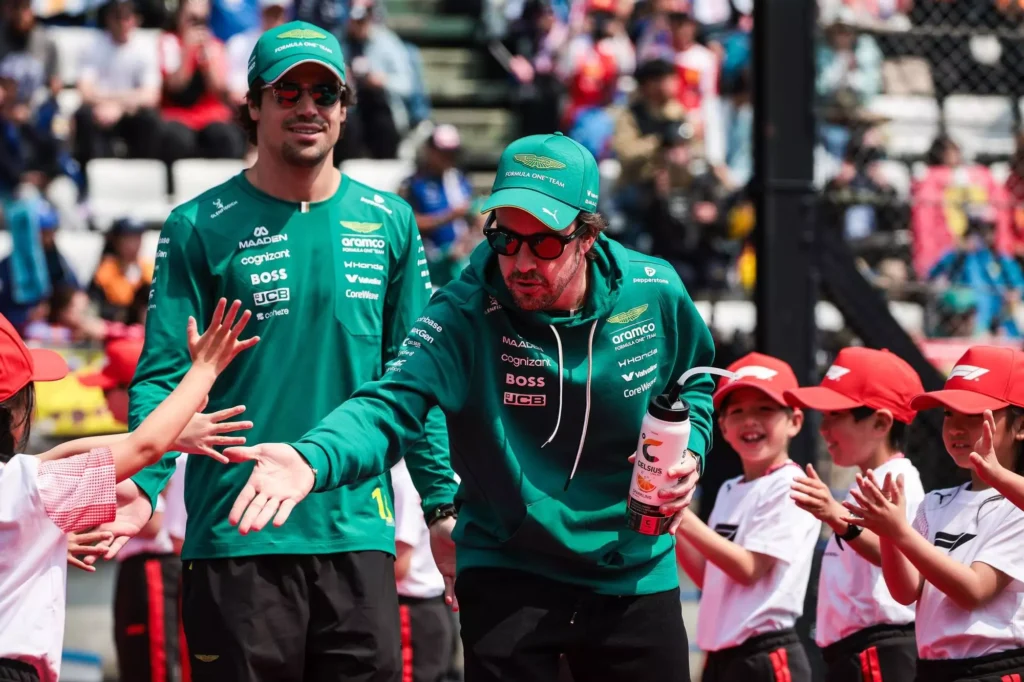
For Alonso, that environment is especially revealing. A driver of his stature does not merely expose performance limits through results. He also sharpens the contrast between what a team promises and what it delivers. If even a driver of his experience is forced into weekends centered on containment rather than competition, then the issue lies deeper than setup frustration or bad luck. The car is not simply lacking speed. It is failing to sustain the conditions in which talent can matter consistently.
This is where Aston Martin’s broader project faces its real test. Ambitious teams often believe investment itself creates inevitability, but Formula 1 is more hostile than that. New buildings, elite names, and long term plans do not erase the need for internal coherence under pressure. A team can look modern, expensive, and strategically serious while still functioning in fragmented ways on the track. If Aston Martin is to escape this smaller championship, it will need more than upgrades. It will need a clearer hierarchy of problems and a more disciplined route out of them.
The danger is not only that the season slips away. It is that the culture of emergency becomes normal. Once a team begins to define success as simple survival, the original horizon narrows almost without noticing. Aston Martin still has time to prevent that contraction from hardening, but time in Formula 1 rarely waits for self correction. The team may still become what it has long promised to be. For now, however, it is racing somewhere else entirely, in a category measured less by glory than by its ability to escape the limits it has built around itself.
Phoenix24: claridad en la zona gris. / Phoenix24: clarity in the grey zone.