

 Phoenix 24
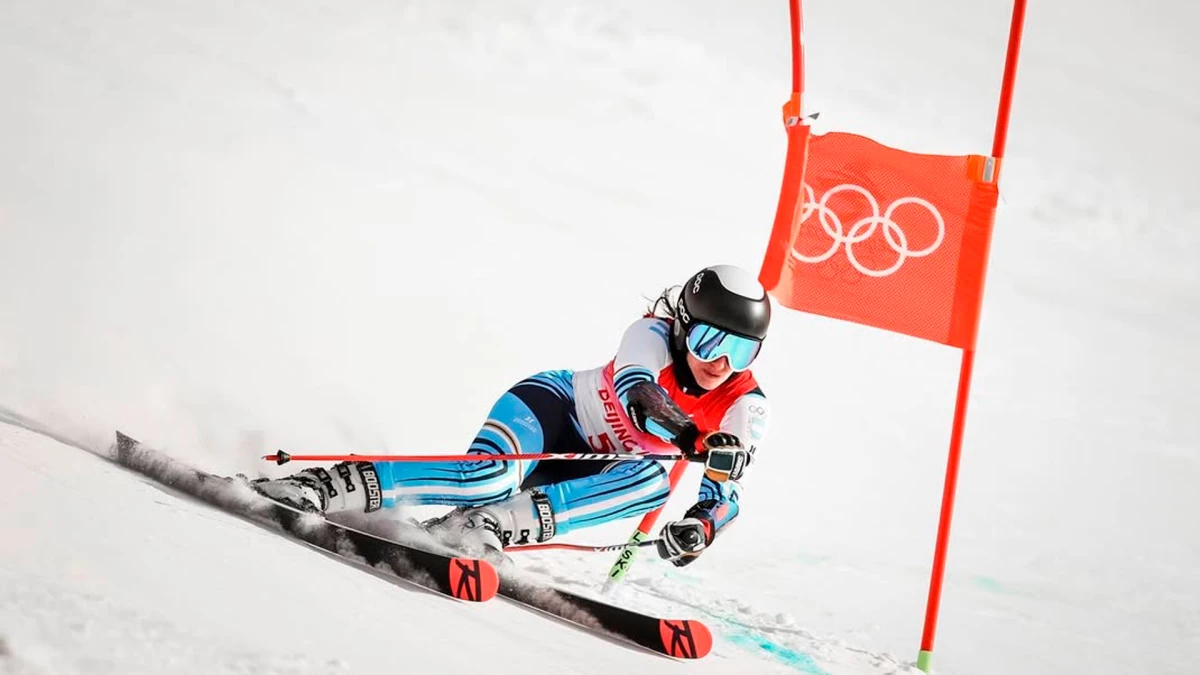
Speed is earned where fear usually wins.
Cortina d’Ampezzo, February 2026.
In alpine skiing, the gap between “being there” and “being relevant” is not a metaphor, it is infrastructure. Nations that dominate the Winter Games do it through decades of snow access, systematic junior pipelines, and a competitive calendar that turns risk into routine. That is why Argentina’s best finish in the women’s team combined at these Games mattered beyond the placement itself. Francesca Baruzzi and Nicole Begué ended 17th, a result that does not pretend to rewrite the podium order, but does force a sober acknowledgment: cracking the top 20 in this discipline is already an operational victory for programs that live far from the sport’s industrial core.
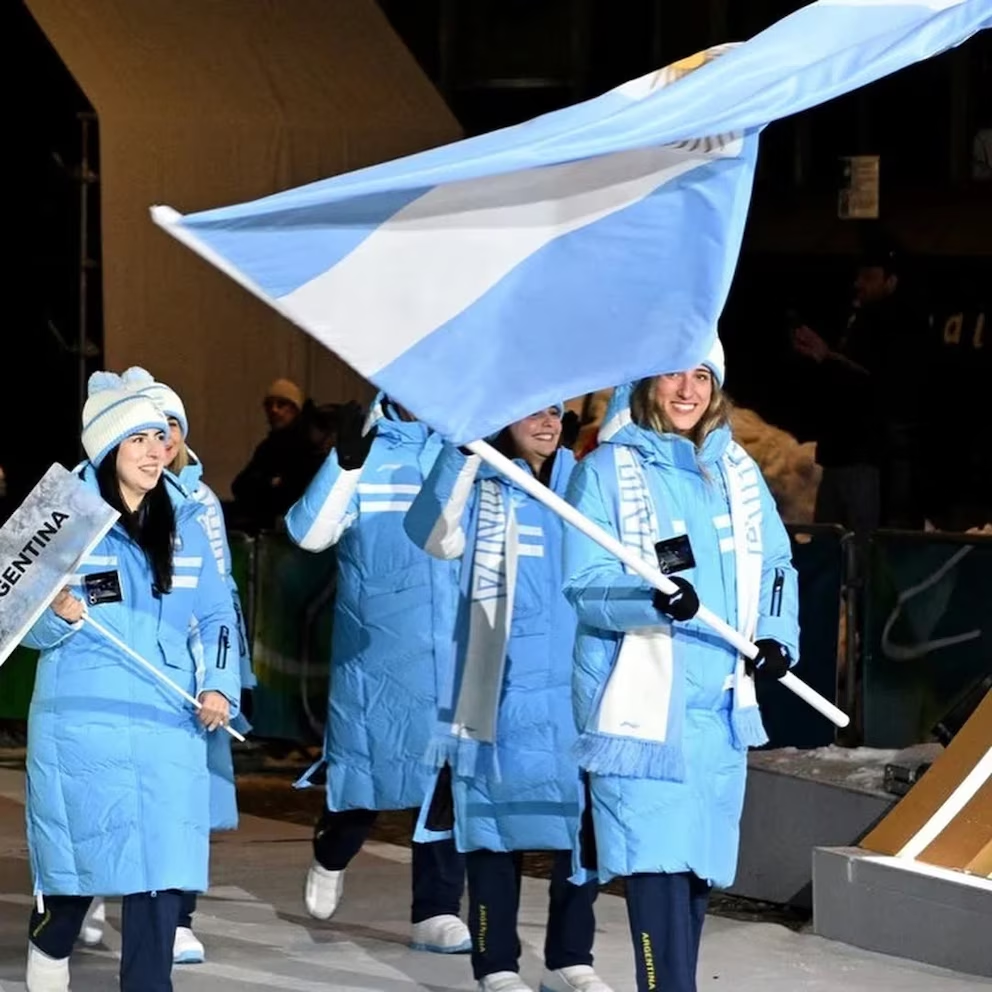
The team combined is cruel in a specific way because it tests two different kinds of control in one compressed narrative. One leg demands speed tolerance, reading terrain at high velocity while keeping the line tight enough to stay competitive. The other demands technical precision, where every gate punishes hesitation and rhythm breaks. When a country lacks the volume of elite starts that European powers treat as normal, the combined format becomes an audit of preparation rather than a single race. The 17th place finish reads as a statement about continuity, coaching alignment, and the ability to execute without the safety net of endless repetitions.
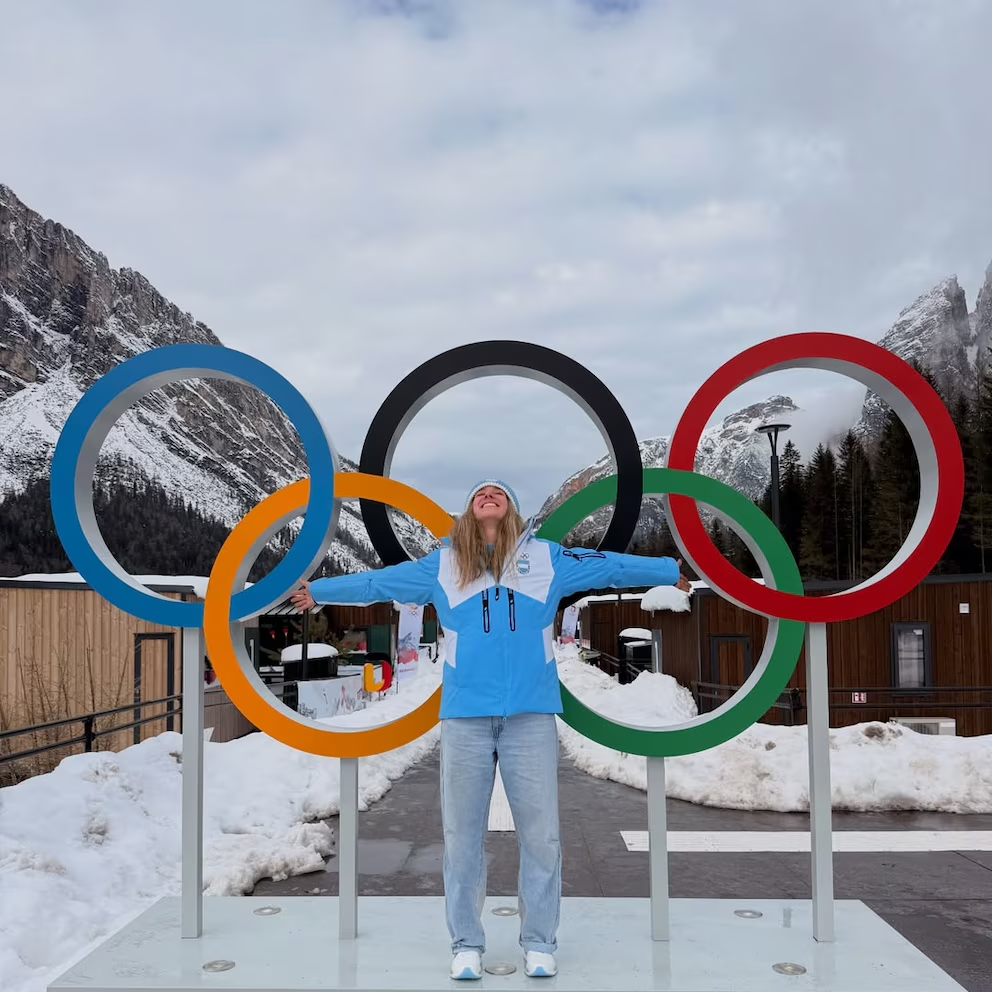
Baruzzi’s story is also inseparable from the cost of staying in the sport at all. Reports describe a path shaped by serious injuries and long recoveries, the kind that do not merely threaten a season but threaten identity. In speed disciplines, the body’s memory is a double-edged tool: it stores technique, and it stores impact. Returning after major setbacks requires more than medical clearance, it requires the athlete to renegotiate trust with her own reflexes. That is why the “she races like an F1 car on ice” line resonates, because it compresses the entire logic of speed sport into one image: stability under pressure, and precision delivered at the edge of control.
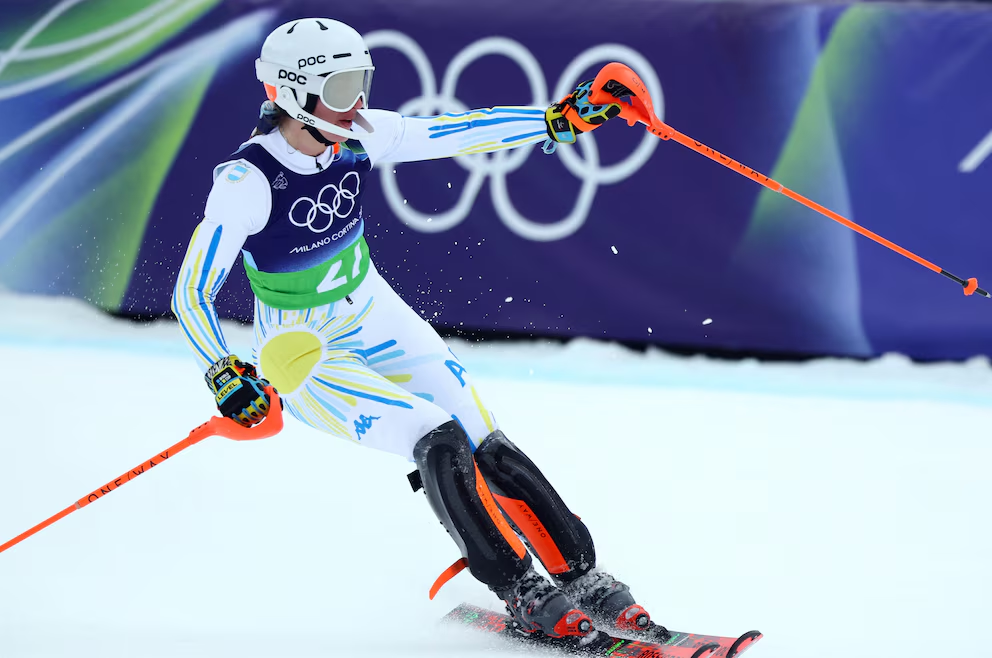
What becomes visible in cases like this is the hidden politics of access. Winter sport is one of the clearest examples of how geography and resources shape opportunity long before talent is measured. Ice time, snow quality, travel budgets, equipment cycles, and exposure to high-level competition determine whether an athlete can evolve from promise into consistency. For athletes outside the central hubs, each start is expensive, each injury can reset the entire progression, and each missed season can erase ranking pathways that are hard to rebuild. A solid Olympic result, even without medals, becomes a credential that unlocks future invitations, funding arguments, and federation leverage.
The Argentine performance also lands in a moment when the Winter Games are under quiet scrutiny for what they represent. The modern Olympics want global participation and credible diversity of contenders, yet many winter disciplines remain structurally concentrated. When an athlete from a smaller winter ecosystem performs credibly, it supports the Games’ legitimacy in a way marketing cannot manufacture. It tells audiences that elite competition is not fully closed, even if the gates are narrow. It also creates pressure on local institutions back home to treat these athletes as strategic assets rather than inspirational exceptions.
None of this should romanticize the danger. Alpine skiing, especially the faster disciplines, is a high-speed negotiation with terrain, and the negotiation can turn violent without warning. The sport’s safety protocols have evolved, but they do not eliminate the fundamental reality: the athlete is always one compression, one misread, one fraction late, away from a crash that changes everything. For an athlete with a history of serious injuries, that reality carries extra psychological gravity. The achievement is not merely racing well, it is racing well while carrying the memory of what happens when racing goes wrong.
There is another element that makes this result strategically useful for Argentina: it reframes expectations from symbolic participation to measurable progression. A 17th place finish creates a benchmark that can be defended, replicated, and improved, which is how sports programs become stable over time. It also offers a narrative that is internationally legible, not dependent on local myth. Two athletes deliver under Olympic pressure in a format that tests breadth, and they do it while coming from a system that must fight for every training variable. That is a story about structure, not sentiment.
If the Winter Games are, in part, a competition among national systems, then Baruzzi and Begué delivered something precise: proof that Argentina can enter a technically demanding event, absorb its dual pressures, and come out with an outcome that belongs on the official page without apology. The medal table will not remember 17th, but serious sport analysts will recognize what it implies about trajectory. The most important part is not the number, it is the signal that the number carries: resilience converted into performance, and performance converted into institutional leverage. In winter sport, that is often how change begins, quietly, before anyone calls it a breakthrough.
Más allá de la noticia, el patrón. / Beyond the news, the pattern.