

 Mario López Ayala, PhD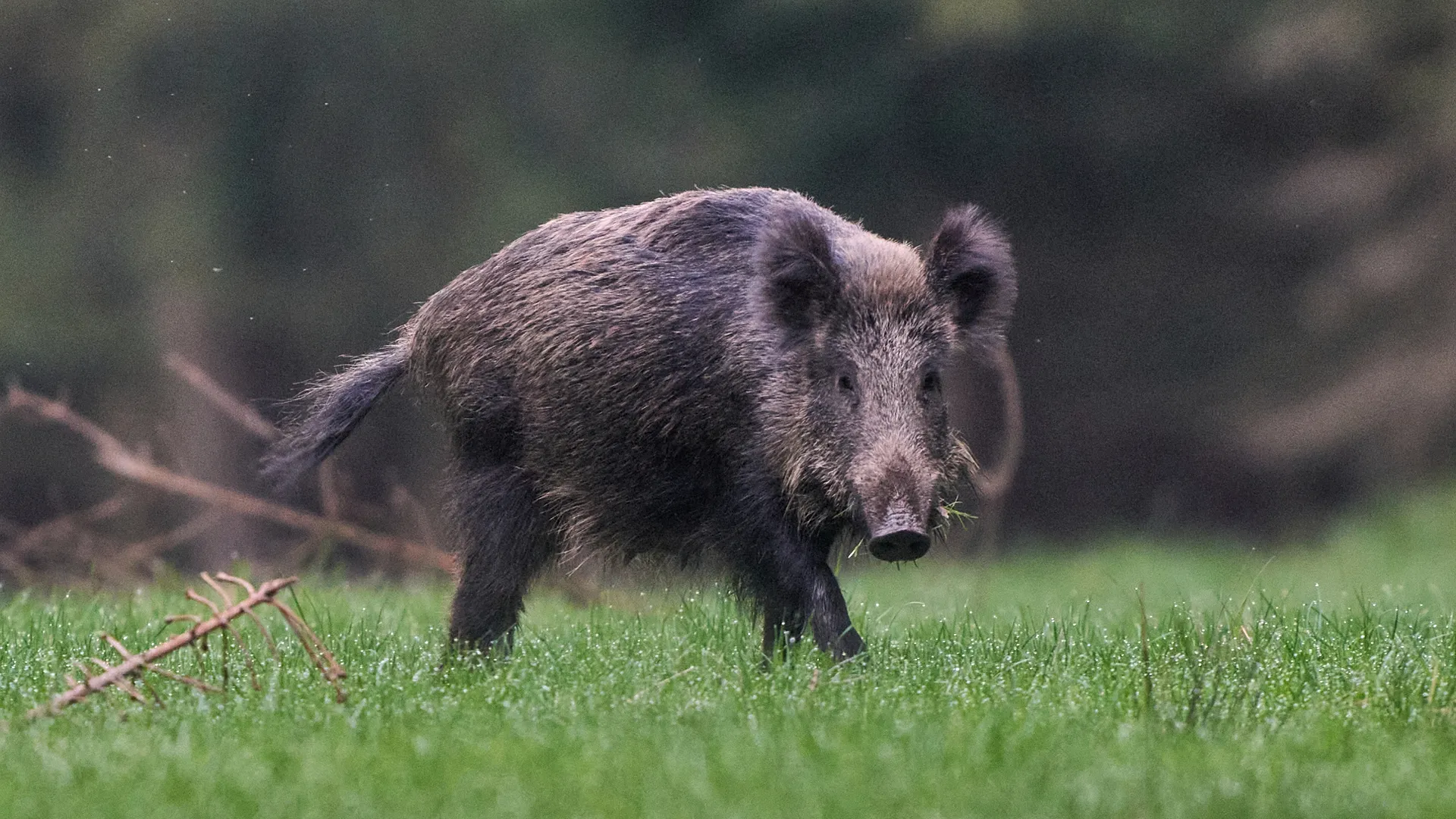
A regional government accelerates an unusual strategy to stop a virus that threatens one of Spain’s most valuable livestock industries.
Zaragoza, December 2025
The government of Aragon has approved an extraordinary measure that offers financial compensation for every wild boar culled, a move designed to halt the advance of African swine fever after confirmed cases in neighboring Catalonia. The program establishes a base payment of thirty euros per animal and authorizes an additional amount when carcasses are transported to specialized facilities. Although Aragon has not yet detected cases within its own territory, regional officials argue that the epidemiological pressure requires action before the virus crosses into local ecosystems.
Veterinary authorities note that wild boar populations have expanded significantly in recent years, a factor that increases the probability of disease transmission between wildlife and commercial farms. The European Union’s veterinary agencies have warned that African swine fever is exceptionally resilient and capable of spreading rapidly wherever domestic and wild species share space. Their recommendations emphasize population reduction, systematic surveillance and rapid isolation of potential vectors.
The Aragonese plan includes operational tools that are uncommon in standard prevention frameworks. Nighttime hunting with thermal imaging equipment will be authorized along with specialized capture methods that allow detection in dense wooded areas where conventional searches are less effective. Research centers in Germany and France have highlighted that when these techniques are paired with territorial monitoring and predictive mapping, authorities can anticipate animal movement patterns and intervene before infections expand.
Producers in Aragon’s pork industry, a sector with strong commercial ties to European and Asian markets, warn that outbreaks in nearby regions threaten export continuity. Institutions such as the IMF have noted that swine fever can generate substantial economic losses, disrupt international logistics and trigger trade restrictions that reverberate across global protein markets. In this context, regional officials regard incentivized culling not only as a public health intervention but also as a protective economic barrier.
African veterinary observers also monitor the situation, given the virus’s historic footprint in several regions of the continent. The UNODC recently underlined that wildlife mobility, although not connected to illegal trade in Europe, can indirectly contribute to the spread of diseases that undermine food systems. Analysts at a leading Northern European agricultural institute explain that wild boar populations adapt easily to peri urban environments, reducing the effectiveness of disease containment and increasing the need for early and coordinated action.
Locally, the measure has sparked debate. Some hunters argue that financial incentives may encourage irresponsible behavior if monitoring is inadequate. Others maintain that intensified culling is indispensable because traditional containment methods are insufficient in mountainous or heavily forested terrain. Regional officials insist that the decree incorporates strict biosecurity protocols, detailed handling procedures for carcasses and mandatory documentation for each intervention.
Despite differing opinions, decision makers maintain that the risk demands decisive policy. The proximity of active outbreaks and the economic weight of the pork industry in Aragon leave little margin for hesitation. In a scenario where the virus often moves faster than institutional capacity, the region seeks to erect a sanitary barrier before the threat becomes irreversible.
Phoenix24: clarity in the grey zone.