

 Phoenix 24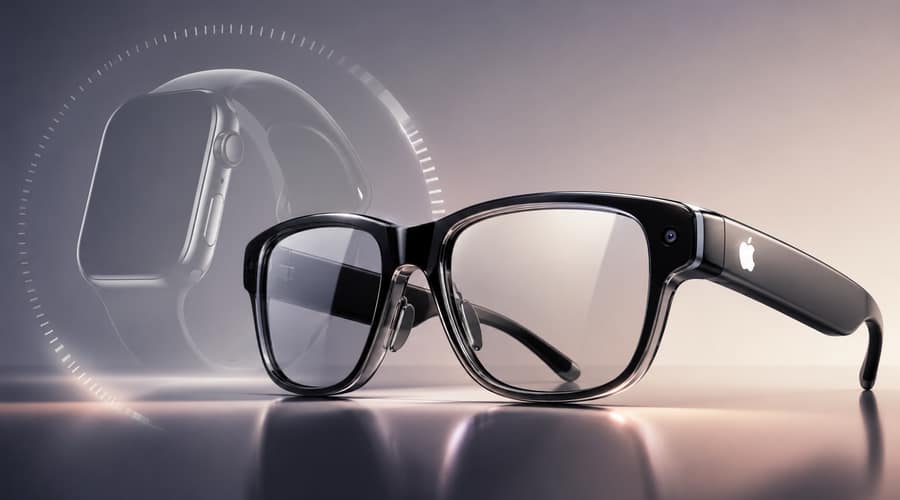
The assistant is leaving the screen.
Cupertino, June 2026. Apple’s reported plan for its first smart glasses points to a deeper strategic shift: Siri is no longer being imagined only as a voice assistant inside a device, but as a visual interface capable of interpreting the world around the user. If the project advances as described, Apple would be moving toward a future where artificial intelligence becomes ambient, wearable and constantly connected to physical surroundings.
The central idea is simple but powerful. Smart glasses could allow Siri to “see” what the user sees, identify objects, read information, translate signs, describe scenes, support navigation and respond to real-world context. That would transform the assistant from a reactive tool into a perception layer between the person and the environment.
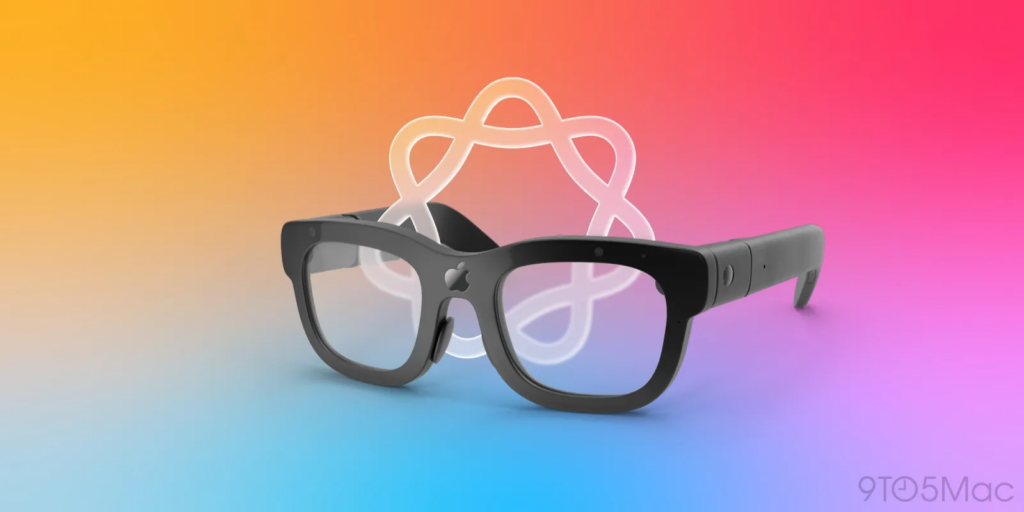
For Apple, the move fits a long-term ecosystem logic. The company has spent years connecting hardware, software, sensors, cameras, chips and services into tightly controlled user experiences. Smart glasses would extend that architecture beyond the phone and the watch, placing AI directly in the user’s field of vision.
The competitive pressure is obvious. Meta, Google and other technology companies are already racing to define wearable AI before smartphones lose their centrality. Whoever controls the next interface may also control attention, data, identity and daily interaction. Apple cannot afford to let that layer be shaped entirely by rivals.
Yet the privacy implications are enormous. Glasses that help users see may also collect sensitive visual information about homes, workplaces, streets and other people. A wearable camera powered by AI is not just a convenience device; it is a mobile sensor inside social life. Apple’s challenge will be proving that intelligence can become more present without becoming more invasive.
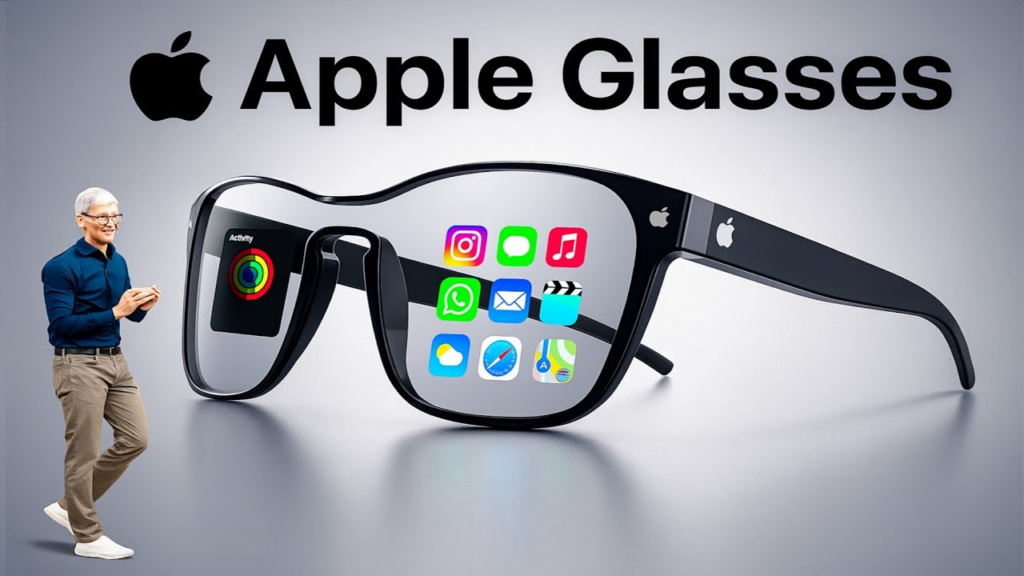
The product also raises accessibility possibilities. For people with visual limitations, contextual AI could become a transformative tool if implemented responsibly. Describing spaces, reading text aloud or recognizing hazards could move smart glasses beyond luxury technology and into assistive infrastructure.
The larger story is that artificial intelligence is becoming physical. It is moving from chat windows into cars, homes, offices, glasses and public spaces. Siri’s next evolution may not depend only on better answers, but on better perception.
Apple’s smart glasses are therefore more than another device rumor. They represent the next battle over how humans will see, search and interpret reality. In the coming AI era, the screen may no longer be the center of digital life. The world itself may become the interface.
La narrativa también es poder. / Narrative is power too.