

 Phoenix 24
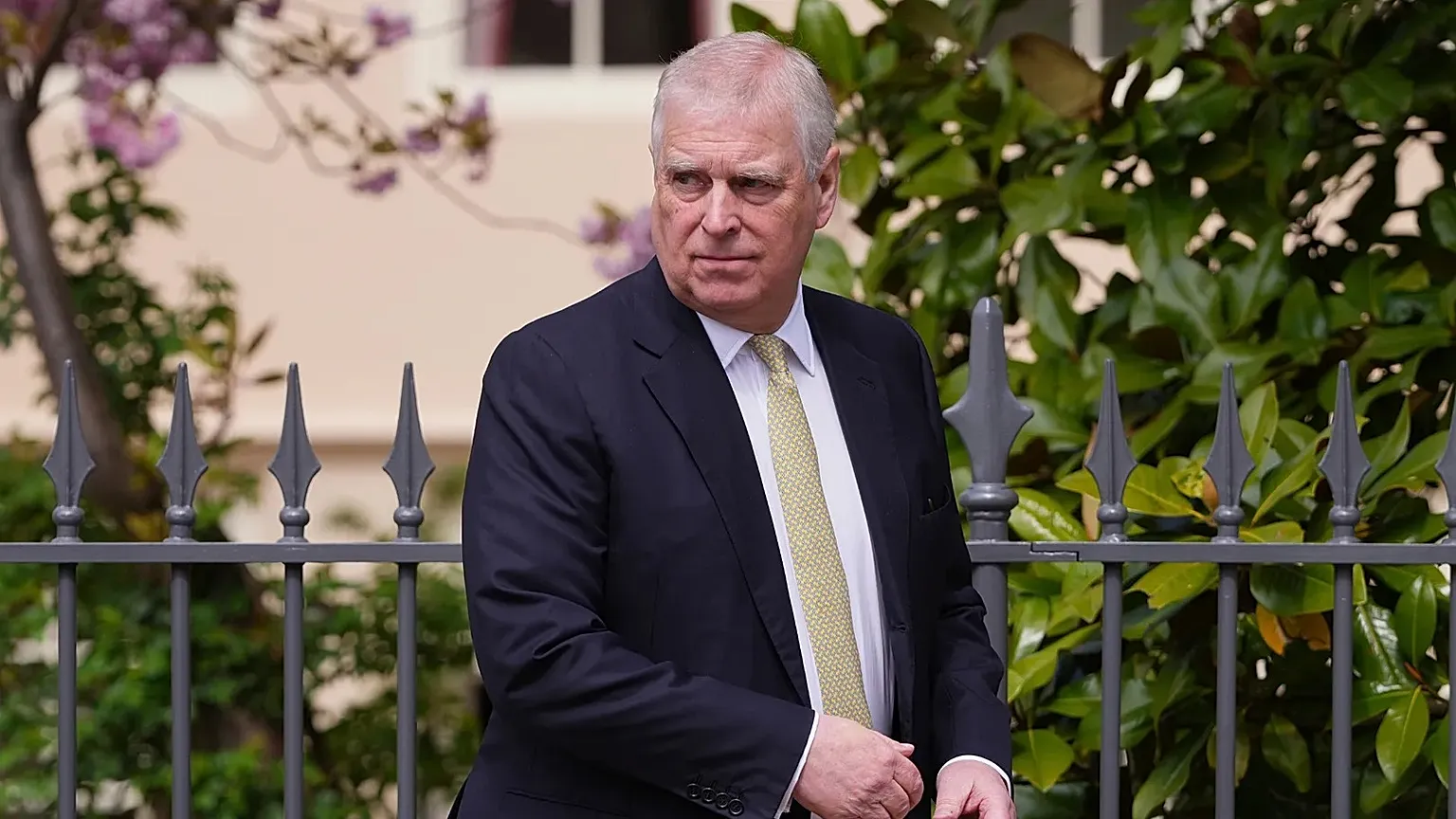
A reputation crisis has entered court time.
London, February 2026.
British police arrested Andrew Mountbatten-Windsor on suspicion of misconduct in public office, a threshold that shifts the story from scandal management to procedural gravity. The arrest was carried out by Thames Valley Police, and early statements described a man in his sixties from Norfolk without naming him directly, a common practice when investigations are active and media reporting can prejudice proceedings. Multiple major outlets subsequently identified the suspect as Andrew, formerly known publicly as Prince Andrew. What matters most is not the headline shock, but the institutional implication: a case once handled as reputational damage now sits inside a legal frame that demands evidence, chronology, and prosecutorial judgment.
The allegation being examined is narrowly defined yet politically combustible. Misconduct in public office, in the British context, is not about private indiscretion; it is about the suspected misuse of an official role or access attached to the state. The reporting surrounding the investigation ties scrutiny to Andrew’s period as a UK trade envoy and to claims that official information may have been shared improperly. That link also reactivates a long running reputational shadow connected to Jeffrey Epstein, whose network has continued to produce documentary aftershocks across jurisdictions. Once a case is anchored in documents and official duties rather than social proximity alone, the narrative changes speed and the stakes rise.
The police action reportedly included searches at properties connected to the investigation, indicating an attempt to secure material trace, not merely statements. Searches, by design, aim to lock down items that can corroborate intent, access, and communication patterns, particularly when the suspected misconduct involves information flow. This procedural detail also limits what can be responsibly asserted in public: an arrest on suspicion is not a conviction, and an investigation can narrow, widen, or end without charges. Still, the symbolic impact arrives immediately because the public reads process as signal, especially when the subject carries historical insulation. When a symbol is placed under investigatory pressure, the country begins to argue about more than facts.
The monarchy’s containment strategy is, in effect, to separate the individual from the institution. Reports citing palace messaging suggest the royal household has treated the matter as one for the legal system and has avoided performing a public defense. King Charles III issued a statement of concern while emphasizing due process and cooperation, a calibrated posture meant to protect the crown from accusations of interference. In such moments, silence is not neutrality; it is a boundary line. The institution survives by appearing governed by the same rules it symbolizes, even when those rules expose personal vulnerability within the family.
Internationally, the episode is being consumed less as celebrity news and more as an illustration of elite accountability under documentary pressure. Reuters coverage framed the arrest around allegations connected to official conduct and the renewed focus generated by document releases associated with the Epstein case. The Associated Press emphasized the caution authorities urged in reporting to protect the integrity of the investigation and avoid contempt of court issues. Euronews cast it as a dramatic escalation in an already fraught storyline, while still noting the legal characterization as suspected misconduct rather than a proven act. That convergence across outlets matters because it reduces the chance that the event is being misreported in essence, even if details will evolve as the inquiry proceeds.
The geography of the arrest also carries weight, even when it is not the point. Reports indicated the arrest occurred at Sandringham House, a location associated with royal privacy and continuity, not with police procedure. When law enforcement appears at a site of national symbolism, it produces a sharp cognitive contrast: the state’s coercive authority and the monarchy’s ceremonial authority occupying the same space. That contrast tends to polarize audiences into two camps, one seeking reassurance that no one is above the law, the other seeing it as humiliation or destabilization of tradition. The state, in response, usually leans into procedural language because procedure is what can be defended under scrutiny.
This is also, inevitably, a stress test of public trust in Britain’s fairness narrative. Many citizens do not need to know the technicalities of the alleged offense to form a judgment about whether the system treats elites differently. In that environment, every step becomes interpretive material: the speed of decisions, the wording of statements, the visibility of enforcement, and the absence or presence of special accommodations. If the process is perceived as cautious but even handed, it may reinforce confidence in institutional integrity. If it is perceived as delayed, softened, or quietly managed, it can harden the belief that the state operates with two tempos.
The next phase will be defined by what prosecutors decide to do with the evidence trail, and by how disciplined the public conversation remains while that decision is pending. A legal process cannot be run like a media cycle, and the credibility of the outcome depends on resisting that temptation. Yet the reputational impact will continue to accumulate in real time because the monarchy is not judged only in courtrooms; it is judged in the national imagination. The central question is not only whether a public office was misused, but whether Britain can demonstrate, under global attention, that symbolism does not override accountability.
Facts that do not bend. / Hechos que no se doblan.