

 Phoenix 24
Seattle, March 2026
Blue Origin is pushing an ambitious plan to support artificial intelligence processing from space, joining a growing competition to build orbital infrastructure for the next generation of computing. The project, described in recent reporting as a large satellite-based system designed to support data-center activity in orbit, reflects the pressure that AI is placing on energy, cooling and land-based infrastructure back on Earth.
What makes the proposal so striking is its scale. Blue Origin is reportedly seeking approval for a vast satellite network intended to function as a space-based computing platform, extending the company’s role beyond launch services and deep into the future architecture of digital infrastructure. The idea is rooted in a simple argument: as AI demand grows, traditional terrestrial data centers may face increasing limits tied to power consumption, heat management and local permitting.
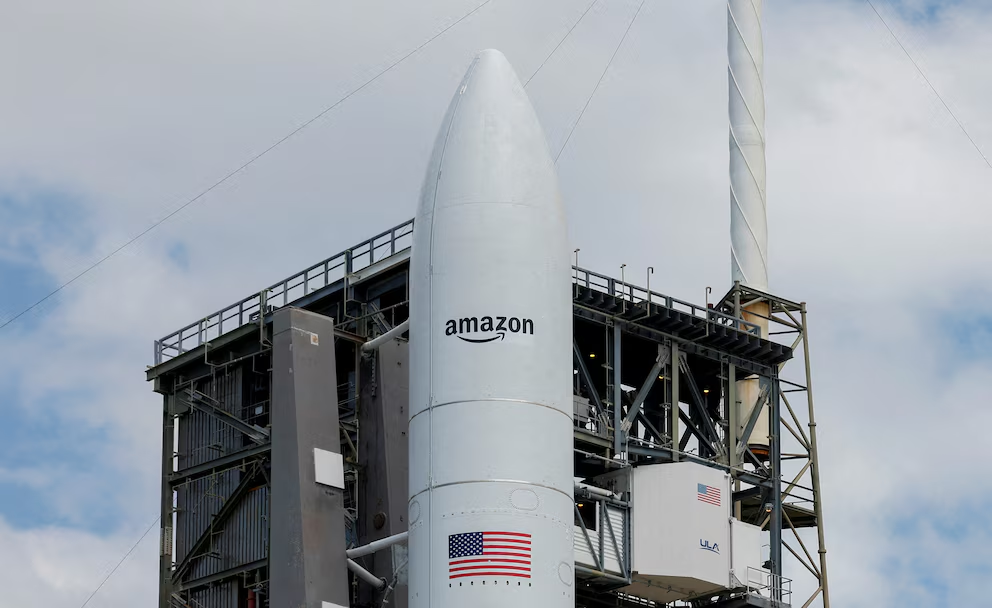
The appeal of orbital data centers lies in that promise of relief. In theory, computing systems in space could rely on near-constant solar power, avoid some of the cooling burdens faced by ground facilities and reduce pressure on electricity grids already strained by the AI boom. That is the futuristic logic driving interest in the concept, and it is one reason why the idea has begun to attract attention from major players rather than only experimental startups.
But the distance between concept and reality remains large. Space-based data centers still face major obstacles involving launch cost, maintenance, hardware durability, repair logistics and economic viability. Even companies linked to the AI and cloud sectors have publicly signaled that the idea remains far from practical deployment at scale. In that sense, Blue Origin’s move is less a sign of imminent rollout than of strategic positioning in what could become a long-term technological frontier.
The proposal also places Blue Origin more directly inside the emerging contest between major U.S. tech and space actors over who will shape the physical backbone of AI. As artificial intelligence expands, the competition is no longer limited to models, chips and cloud services. It is increasingly about who will control the infrastructure capable of sustaining the next wave of computation. Orbit is now being treated as part of that contest.
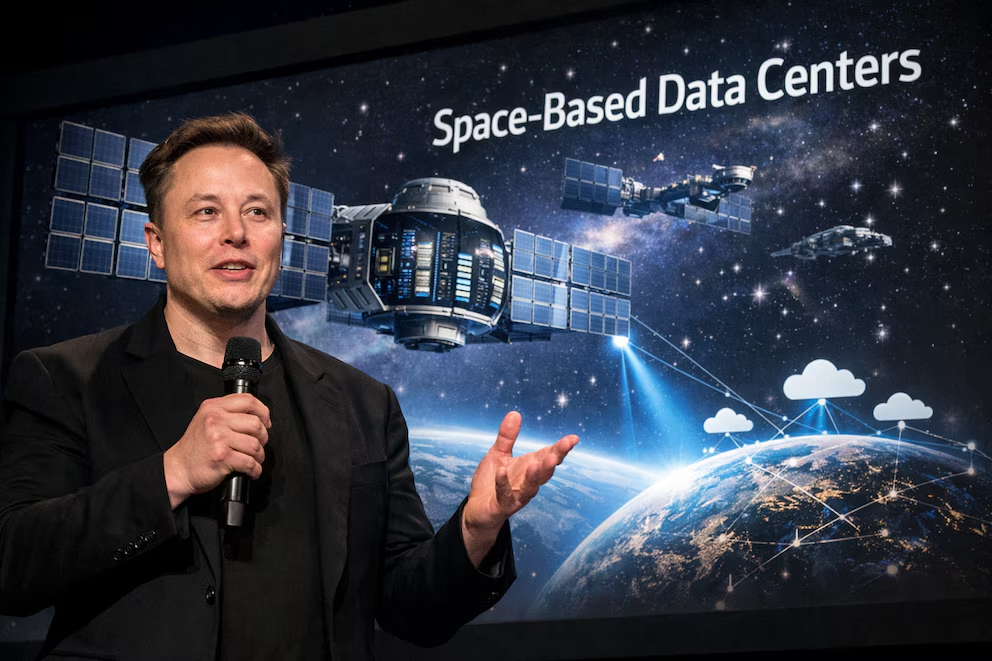
That wider context matters because AI demand is already forcing companies to think beyond conventional expansion models. New terrestrial data centers require enormous electricity loads, water access, land availability and political approval. If those constraints continue to intensify, even highly speculative alternatives begin to look strategically relevant. Blue Origin’s plan should be read in that light: not as a near-term consumer breakthrough, but as an attempt to stake an early claim in a possible future market.
For now, the central fact is clear. Blue Origin is no longer talking only about rockets, lunar systems or satellite deployment. It is attaching itself to one of the boldest infrastructure ideas in the AI era: moving part of the computing burden off the planet. Whether that future arrives soon or remains technically distant, the race to define it has already begun.
Phoenix24: clarity in the grey zone. / Phoenix24: clarity in the grey zone.
The data center race is now leaving Earth.
Seattle, March 2026
Blue Origin is pushing an ambitious plan to support artificial intelligence processing from space, joining a growing competition to build orbital infrastructure for the next generation of computing. The project, described in recent reporting as a large satellite-based system designed to support data-center activity in orbit, reflects the pressure that AI is placing on energy, cooling and land-based infrastructure back on Earth.
What makes the proposal so striking is its scale. Blue Origin is reportedly seeking approval for a vast satellite network intended to function as a space-based computing platform, extending the company’s role beyond launch services and deep into the future architecture of digital infrastructure. The idea is rooted in a simple argument: as AI demand grows, traditional terrestrial data centers may face increasing limits tied to power consumption, heat management and local permitting.
The appeal of orbital data centers lies in that promise of relief. In theory, computing systems in space could rely on near-constant solar power, avoid some of the cooling burdens faced by ground facilities and reduce pressure on electricity grids already strained by the AI boom. That is the futuristic logic driving interest in the concept, and it is one reason why the idea has begun to attract attention from major players rather than only experimental startups.
But the distance between concept and reality remains large. Space-based data centers still face major obstacles involving launch cost, maintenance, hardware durability, repair logistics and economic viability. Even companies linked to the AI and cloud sectors have publicly signaled that the idea remains far from practical deployment at scale. In that sense, Blue Origin’s move is less a sign of imminent rollout than of strategic positioning in what could become a long-term technological frontier.
The proposal also places Blue Origin more directly inside the emerging contest between major U.S. tech and space actors over who will shape the physical backbone of AI. As artificial intelligence expands, the competition is no longer limited to models, chips and cloud services. It is increasingly about who will control the infrastructure capable of sustaining the next wave of computation. Orbit is now being treated as part of that contest.
That wider context matters because AI demand is already forcing companies to think beyond conventional expansion models. New terrestrial data centers require enormous electricity loads, water access, land availability and political approval. If those constraints continue to intensify, even highly speculative alternatives begin to look strategically relevant. Blue Origin’s plan should be read in that light: not as a near-term consumer breakthrough, but as an attempt to stake an early claim in a possible future market.
For now, the central fact is clear. Blue Origin is no longer talking only about rockets, lunar systems or satellite deployment. It is attaching itself to one of the boldest infrastructure ideas in the AI era: moving part of the computing burden off the planet. Whether that future arrives soon or remains technically distant, the race to define it has already begun.
Phoenix24: clarity in the grey zone. / Phoenix24: clarity in the grey zone.