

 Phoenix 24
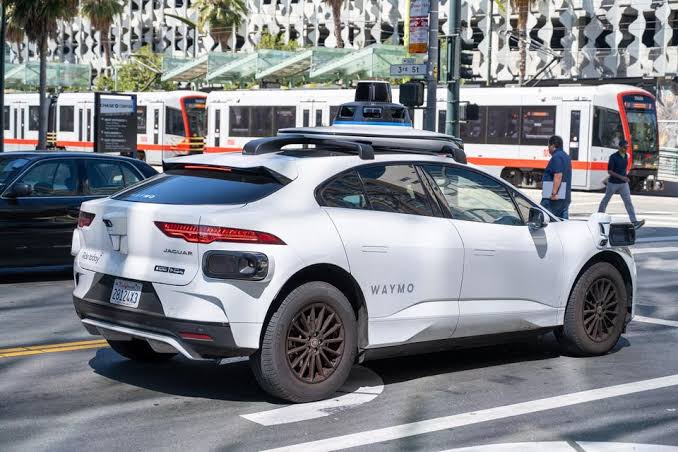
MOUNTAIN VIEW, CALIFORNIA — October 31, 2026. Alphabet is accelerating its investment in autonomous transportation as its robotaxi subsidiary, Waymo, expands across the United States and prepares to enter international markets. Yet the company’s latest financial results reveal a striking imbalance between the technological ambitions of self-driving vehicles and their current economic contribution: the entire Other Bets division, which includes Waymo, generated just $372 million in quarterly revenue, equivalent to approximately 0.29% of Alphabet’s total sales.
The figures, disclosed in Alphabet’s third-quarter earnings report on October 28, demonstrate the considerable financial distance separating the company’s established businesses from its experimental ventures. While Google Search, advertising, cloud computing and subscription services continue generating substantial revenue, autonomous transportation remains in an expensive expansion phase.
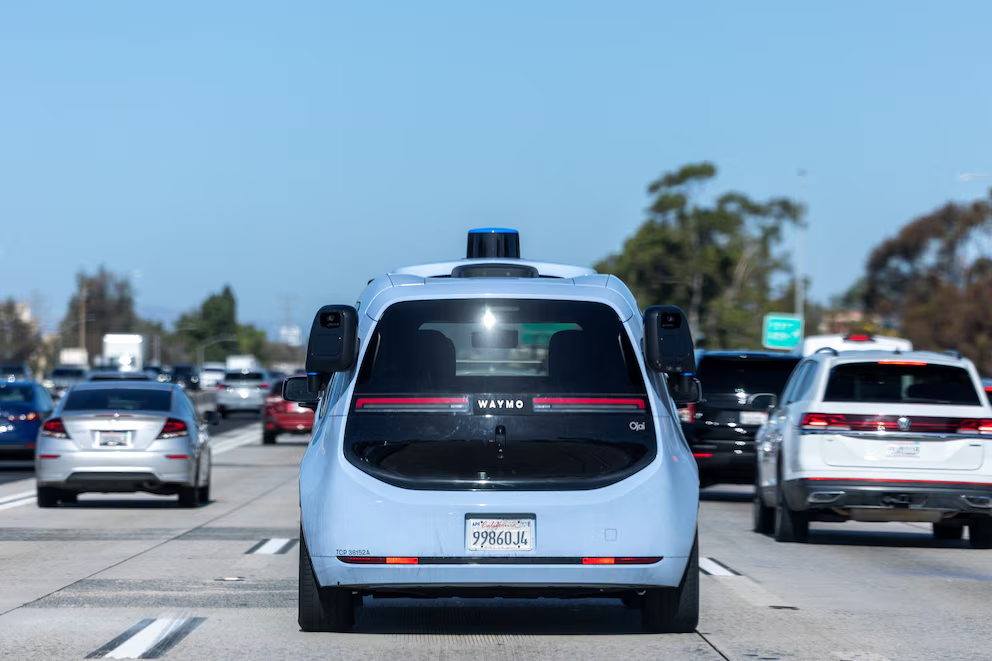
Alphabet reported consolidated revenue of $127.6 billion for the three months ended September 30, an increase of 25% compared with the corresponding period of 2025. Its operating income reached approximately $40.6 billion, representing an operating margin of 31.8%.
The performance reflected strong demand for Google’s principal services and a particularly notable expansion in cloud computing, where artificial intelligence infrastructure and enterprise applications contributed to accelerating revenue growth.
Google Services generated $96.3 billion, while Google Cloud contributed $30.7 billion. Together, these operations accounted for virtually all of Alphabet’s quarterly revenue.
Other Bets, by comparison, remained financially modest. Its revenue increased from $343 million to $372 million year over year, growth of approximately 8%. However, its operating losses widened from $1.43 billion to $2.05 billion during the same period.
The contrast raises an important question about the economic viability of autonomous transportation: can an industry that has demonstrated increasingly sophisticated technological capabilities develop a sustainable business model capable of supporting large-scale commercial operations?
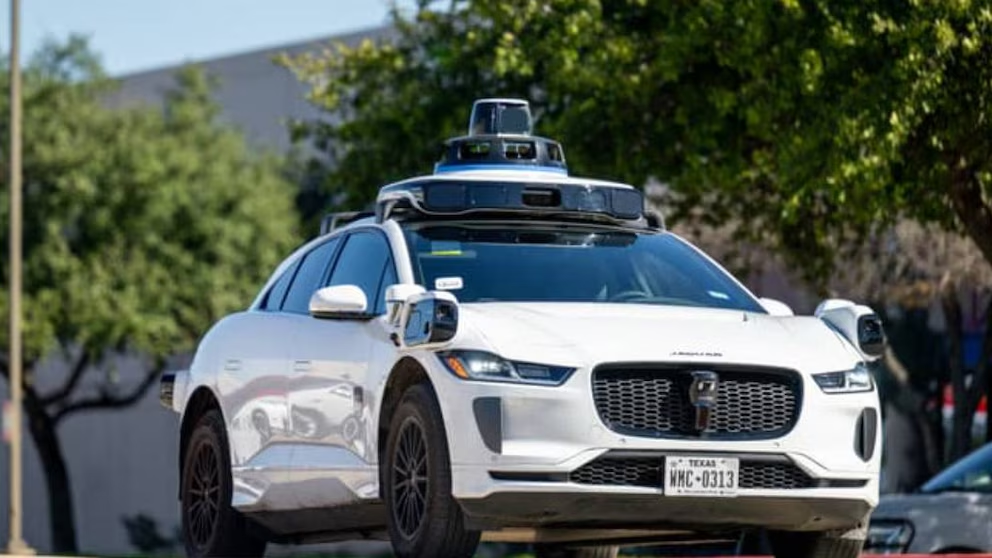
The answer remains uncertain, partly because Alphabet does not disclose Waymo’s complete financial results as a separate reporting segment.
Other Bets includes multiple businesses, including autonomous transportation and internet connectivity services. Consequently, the $372 million revenue figure cannot be attributed exclusively to Waymo, nor can the division’s entire $2.05 billion operating loss be interpreted as the robotaxi company’s individual financial performance.
This accounting distinction is essential. Although Waymo is one of Alphabet’s most prominent experimental businesses, its specific revenue, operating margin and profitability are not independently established by the consolidated segment figures.
Nevertheless, the financial results provide a revealing measure of the broader investment challenge. Alphabet continues supporting technologically ambitious operations whose near-term economic contribution remains small relative to the corporation’s established revenue-generating activities.
Waymo’s commercial expansion has accelerated considerably. The company is operating autonomous transportation services in 15 American cities and has outlined plans to expand into more than 20 additional urban markets during 2026.
Its international ambitions include London and Tokyo, two metropolitan areas presenting different regulatory structures, transportation patterns and urban operating environments.
Entering these markets could provide important opportunities to test the adaptability of Waymo’s technology beyond the American cities where it has accumulated much of its commercial experience.
However, international expansion also introduces new technical and institutional challenges.
Autonomous vehicles must operate within local traffic regulations, interpret road signs and infrastructure, respond appropriately to unpredictable human behavior and accommodate differences in road design.
Dense urban environments can be particularly demanding because of their interactions with pedestrians, cyclists, public transportation, delivery vehicles and conventional motorists.
The development of autonomous transportation therefore requires more than a vehicle capable of navigating a predetermined route. It depends on an integrated system combining environmental perception, machine learning, localization, decision-making, vehicle control and operational supervision.
Waymo’s technology uses a combination of cameras, radar and lidar sensors to interpret surrounding conditions. These systems provide complementary information about objects, distances and movement, supporting the vehicle’s ability to navigate designated operational areas.
Artificial intelligence algorithms process this information to identify relevant elements of the driving environment and generate appropriate vehicle responses.
Yet sophisticated perception does not eliminate the need for continuous testing and safety assessment. Unusual road conditions, temporary construction, emergency vehicles and unexpected behavior by other road users can create situations requiring particularly robust decision-making.
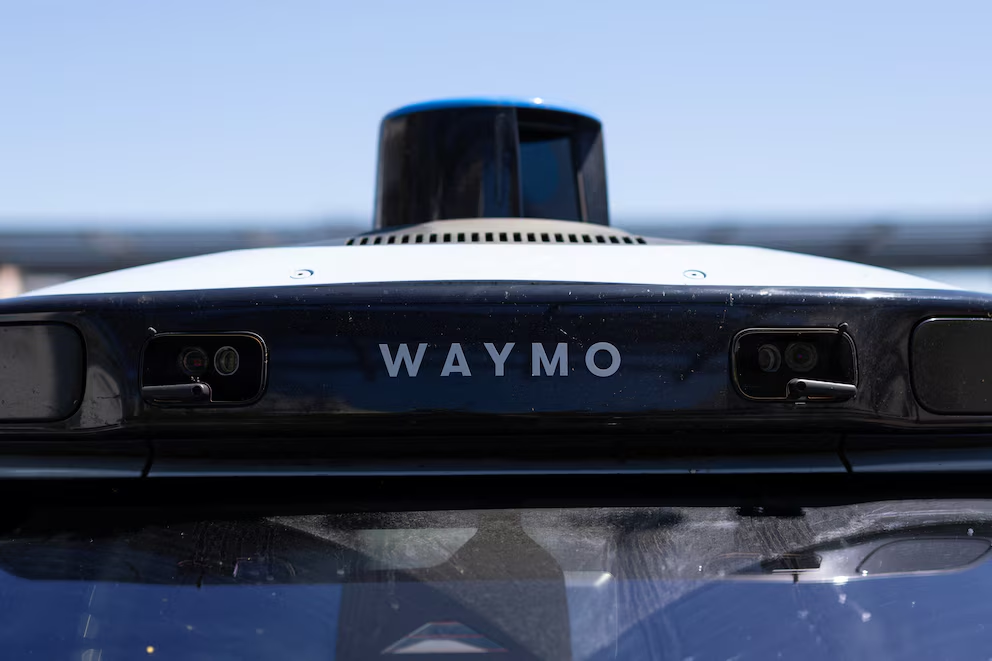
The ability to operate safely across increasingly diverse environments is consequently one of the central challenges confronting autonomous vehicle developers.
Waymo has already demonstrated substantial commercial activity.
During its February 2026 funding announcement, the company reported providing more than 400,000 paid rides per week across six major American metropolitan areas.
It also stated that it completed approximately 15 million rides during 2025, tripling its annual service volume, and had exceeded 20 million cumulative rides since beginning operations.
These figures indicate meaningful operational growth, but ride volume alone does not establish profitability.
A transportation platform’s financial sustainability depends on several variables, including average revenue per trip, vehicle utilization, fleet acquisition costs, maintenance expenditure, insurance, remote operational support and the cost of expanding into new markets.
For autonomous vehicles, the economic calculation differs from conventional ride-hailing services.
Removing the need for an onboard human driver could eventually reduce certain operating expenses, but the technology introduces other substantial costs associated with specialized sensors, computing hardware, fleet management and software development.
Moreover, robotaxi companies must maintain vehicles, manage charging or refueling operations, provide customer support and comply with local regulatory requirements.
The potential economic advantages of autonomous transportation will therefore depend on whether savings in labor-related expenses can eventually exceed the costs of deploying and operating the technology at scale.
Waymo’s recent financing arrangements illustrate the capital required to pursue that objective.
In February 2026, the company announced a $16 billion investment round that established a valuation of approximately $126 billion.
The transaction represented a major expression of investor confidence in Waymo’s long-term commercial prospects, although a private-company valuation should not be confused with annual revenue, net profit or the market value that would necessarily emerge through a public listing.
The valuation reflects expectations concerning future business opportunities rather than proof that the company has already achieved financial sustainability.
In October, Waymo secured an additional $5 billion through a senior secured term loan, marking an important development in its financing strategy.
The arrangement, disclosed in Alphabet’s regulatory filing, matures in October 2032 and carries an interest rate based on the Secured Overnight Financing Rate, or SOFR, plus 5.25 percentage points.
The loan is secured by specified assets and subsidiaries of Waymo, while Alphabet and its other subsidiaries do not guarantee the obligations.
This structure introduces an additional dimension to Waymo’s financial development. Unlike equity financing, which involves exchanging ownership interests for capital, debt financing creates contractual repayment obligations and associated interest expenses.
Access to substantial debt financing can expand a company’s investment capacity, but it also increases the importance of developing predictable financial performance over time.
Waymo’s ability to secure such financing reflects investor interest in autonomous transportation, although the transaction does not establish that its current operations are profitable.
The combination of equity investment and debt financing also suggests that the company is moving beyond an exclusively research-oriented development model toward a more capital-intensive commercial expansion strategy.
Scaling a robotaxi business requires deploying fleets, establishing maintenance and operational infrastructure, obtaining regulatory permissions and developing partnerships capable of supporting service delivery.
These requirements become more complex as companies expand simultaneously across multiple urban markets.
For Alphabet, the financial commitment must be considered within the corporation’s broader investment strategy.
During the third quarter, Alphabet reported capital expenditures of $51.4 billion, more than double the approximately $24 billion recorded during the corresponding period of 2025.
Most of that spending was associated with technical infrastructure, including servers, networking equipment and data centers supporting artificial intelligence and cloud services.
This distinction matters because Alphabet’s reported capital expenditure cannot be interpreted as investment directed primarily toward Waymo. The company’s largest infrastructure commitments remain associated with its core digital businesses and AI computing capabilities.
Nevertheless, Waymo operates within a corporate environment increasingly defined by large-scale investment in advanced technologies.
Alphabet Chief Executive Sundar Pichai highlighted the company’s strong revenue growth during the earnings presentation, emphasizing that its annualized revenue had reached approximately half a trillion dollars.
That scale provides Alphabet with financial resources unavailable to many smaller autonomous vehicle developers.
However, financial capacity does not eliminate the need to evaluate investment returns. Even a highly profitable technology company must determine whether individual projects justify the capital, time and organizational resources required to develop them.
Waymo’s long-term commercial prospects depend on several interconnected factors.
One is technological reliability. Autonomous systems must demonstrate consistent performance across weather conditions, road environments and unexpected operational situations.
Another is regulatory acceptance. Transportation authorities must assess the safety and operational implications of allowing vehicles to provide commercial services without an onboard human driver.
A third is consumer confidence. Passengers must be willing to entrust their transportation to automated systems, particularly when those systems encounter unusual road conditions or operational interruptions.
Finally, there is economic efficiency. The cost of providing each journey must become sufficiently competitive to sustain demand and support the broader financial requirements of the business.
These factors interact rather than operating independently.
A technologically reliable system may still struggle commercially if its deployment costs remain too high. Conversely, a potentially profitable operating model cannot scale effectively without appropriate regulatory authorization and public confidence.
The geographical characteristics of individual cities also influence the economics of robotaxi deployment.
Urban density, average trip distance, transportation demand, traffic patterns and fleet utilization can determine whether autonomous vehicles operate efficiently.
In densely populated markets, high demand may increase vehicle utilization, potentially improving the distribution of fixed costs across a larger number of completed journeys.
However, complex traffic conditions and expensive operational environments may offset some of those advantages.
In less densely populated areas, vehicles may encounter longer distances between passengers, reducing the proportion of time during which they generate revenue.
Waymo must therefore evaluate expansion not only according to the size of a city’s population, but also according to its transportation patterns, regulatory conditions and operational economics.
The company’s planned international entry into London and Tokyo will provide opportunities to examine some of these variables in environments distinct from its established American markets.
The competitive landscape is also evolving.
Tesla continues developing autonomous driving capabilities, while other technology and automotive companies are pursuing different approaches to automated mobility.
However, these initiatives should not be treated as technologically or commercially equivalent. Companies differ in their sensor configurations, operational restrictions, regulatory approvals and the degree of human supervision required.
The distinction between advanced driver-assistance systems and fully driverless commercial services is particularly important.
A vehicle capable of assisting a human driver with steering, acceleration and braking is not necessarily authorized or technically capable of operating without human supervision.
Waymo’s robotaxi services are designed to function without an onboard human driver within specified operational domains, representing a different deployment model from systems that require continuous driver attention.
Comparisons between companies must therefore consider actual operating capabilities rather than marketing terminology alone.
The broader transportation implications could be substantial if autonomous mobility eventually becomes commercially sustainable.
Robotaxis could alter urban transportation markets, affect demand for privately owned vehicles and introduce new possibilities for passengers who face barriers to conventional driving.
They could also influence employment patterns in transportation-related activities, creating debate about workforce adaptation, regulation and the distribution of economic benefits.
However, these outcomes remain dependent on the scale and economics of adoption. The introduction of autonomous services in selected cities does not establish that conventional transportation models will be displaced broadly or rapidly.
Urban mobility systems are shaped by public transportation networks, local infrastructure, consumer preferences and public policy, meaning that autonomous vehicles are likely to interact with existing services in different ways across regions.
Environmental considerations introduce another dimension.
The use of electric vehicles may reduce certain local tailpipe emissions, but the broader environmental impact of autonomous transportation depends on electricity generation, vehicle manufacturing, fleet utilization and changes in total travel demand.
If robotaxis replace journeys previously made in privately owned gasoline vehicles, some environmental benefits may emerge. If they increase the number of vehicle miles traveled or substitute for efficient public transportation, the overall effects may be different.
A rigorous assessment therefore requires examining the full transportation system rather than evaluating individual vehicles in isolation.
For investors, Waymo presents a distinctive challenge because its technological progress and financial performance are not yet aligned in a straightforward manner.
Rapid expansion, substantial financing and a high private valuation suggest significant expectations concerning the future of autonomous mobility.
At the same time, Alphabet’s latest segment figures demonstrate that experimental businesses remain a small source of revenue and continue generating substantial operating losses.
Those two observations are not necessarily contradictory.
Technological platforms may require prolonged investment before achieving scale economies, particularly when their development depends on complex physical infrastructure.
However, the assumption that scale will eventually produce profitability must be tested against actual operating results rather than accepted as an inevitable consequence of growth.
This is perhaps the most important economic question surrounding Waymo.
The company has progressed beyond the conceptual stage and established commercial services in multiple markets. Its challenge is now to demonstrate whether expanding those services can eventually generate financial returns sufficient to justify the resources committed to their development.
Alphabet’s financial strength provides considerable flexibility in pursuing that objective, but the corporation’s current results also make clear that its economic foundation remains concentrated in Google Services and Google Cloud.
The latest quarterly figures consequently reveal two different timelines operating within the same company.
One is the established financial reality of search, advertising and cloud computing, which already generates enormous revenue and operating income.
The other is the prospective economic transformation represented by autonomous transportation, where technical progress and commercial deployment are advancing but financial sustainability remains difficult to measure.
As Waymo prepares to enter additional American cities and international markets, its expansion will test whether advances in artificial intelligence, sensor technology and fleet operations can be translated into a scalable transportation business.
The outcome will depend not simply on how many vehicles the company deploys or how many rides it completes, but on the relationship between revenue, operating costs, capital requirements and long-term demand.
For Alphabet, Waymo represents a strategic investment in a potential future transportation market rather than a major contributor to present earnings.
The fundamental question is whether that investment can eventually move from demonstrating technological capability to producing durable economic value.
For now, the numbers reveal the distance still to be traveled: Alphabet generates more than $127 billion in quarterly revenue, while the entire division housing one of the world’s most prominent robotaxi operations contributes less than one-third of one percent.
The company has made substantial progress toward putting autonomous vehicles on public roads. Establishing autonomous transportation as a profitable, global-scale business remains a separate challenge.
Phoenix24: Beyond the numbers, the reality. / Más allá de las cifras, la realidad.